
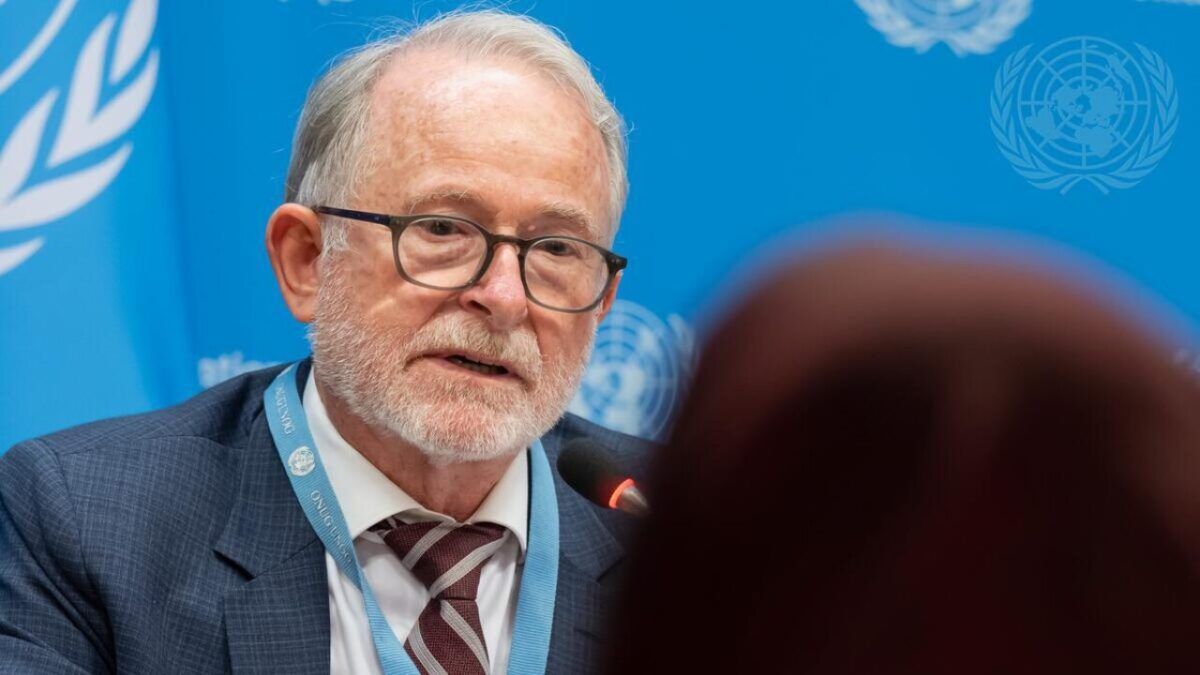
UN Special Rapporteur Bennett: Taliban Restrictions on Women's Medical Education Could Constitute 'Femicide'
Richard Bennett, the UN Special Rapporteur on the situation of human rights in Afghanistan, warned in his latest report that the Taliban's restrictions on women's medical education could amount to 'femicide.' He described the restrictions as unacceptable and said they would lead to 'unnecessary deaths' if not lifted.
According to the report, the Taliban issued a decree in December 2024 prohibiting women from attending medical and health education institutions. This halted training programs in medicine, nursing, midwifery, laboratory sciences, and other clinical fields for women, and barred them from final exams needed to enter the health workforce.
The report states that this action 'effectively halts the entry of a new generation of female health workers into the health system.' Bennett called the ban 'completely unjustifiable' and warned it would cause 'suffering, disease, and unnecessary deaths.'
Afghanistan's health system faces severe pressures, including infrastructure shortages, a lack of trained staff -- especially women -- and reliance on imported drugs. Many health centers have closed or operate at limited capacity, with patients able to afford care turning to private facilities or traveling abroad. International aid cuts in 2025, particularly from the United States, worsened the situation, leading to the closure of about 445 health centers and reductions in awareness, training, and support programs.
The 2026 Humanitarian Needs and Response Plan indicates that 21.9 million people in Afghanistan require humanitarian assistance, with 14.4 million needing health services.
Decision-making in health has become highly centralized, with many Taliban health ministry appointees lacking relevant expertise or experience. Some women previously in managerial roles have been removed. Claims of corruption include bribes for appointments, misuse of health budgets, and improper referrals to private clinics. Oversight and accountability mechanisms have been weakened or dissolved.
Immediate barriers to women's health access include requirements for a male guardian (mahram) to visit facilities and mandatory dress codes, formalized in the Taliban's August 2024 'Amr bil Maruf wa Nahi anil Munkar' law. The report documents cases such as a woman in Balkh who gave birth outside a hospital after being denied entry, and a four-year-old child who died due to delays in hospital transfer.
These restrictions also affect female health workers, who in some provinces must travel with a mahram and provide marriage or ID documents.
Afghanistan faces a critical shortage of female health workers: women comprise 27% of general practitioners, 18% of specialists, and 29% of nurses. Of about 15 million women in 2024, only 4.1 million have reliable health access.
The report concludes that Taliban policies on women's education, work, movement, and social participation are inflicting 'deep and lasting damage' on the health system, leading to rising maternal and child mortality and preventable diseases.
More in Society
Islamic Emirate Prime Minister's Office Head Meets Council of Hindus and Sikhs Leader
Kabul Residents Demand Removal of Concrete Barriers Near Russian Embassy

5.4-Magnitude Earthquake Shakes Northern Afghanistan
UNICEF: 20.8 Million People Received Health Services in Afghanistan in 2025
 Reliable
Islamic Emirate Prime Minister's Office Head Meets Council of Hindus and Sikhs Leader
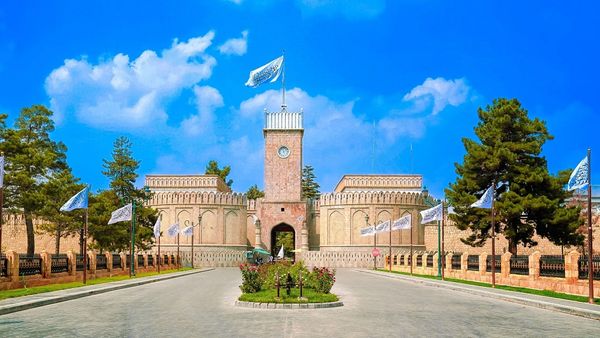
Mullah Abdul Wasi, head of the Islamic Emirate's Prime Minister's Office, met with Manjit Singh Lambhe, leader of Afghanistan's Hindus and Sikhs council, who voiced concerns over properties, electricity, medical licenses, and a temple site. Abdul Wasi promised to address the issues with relevant authorities.
 Reliable
Kabul Residents Demand Removal of Concrete Barriers Near Russian Embassy
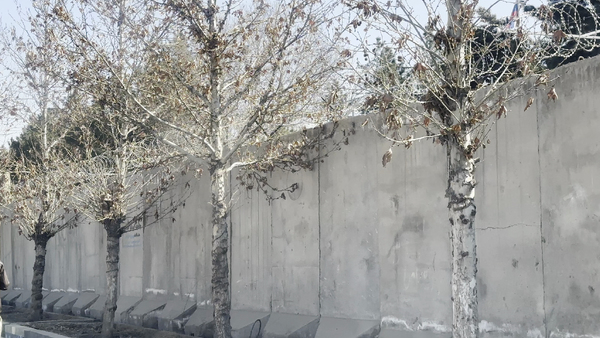
Kabul residents near the Russian embassy demand removal of concrete barriers amid traffic woes, as the Interior Ministry clears such obstacles elsewhere in the country.
 Reliable
5.4-Magnitude Earthquake Shakes Northern Afghanistan
A 5.4-magnitude earthquake centered near the Afghanistan-Tajikistan border shook northern Afghanistan on Wednesday, including provinces such as Kunduz, Takhar, Baghlan, Badakhshan and Kabul. No immediate reports of casualties or damage.
 Reliable
UNICEF: 20.8 Million People Received Health Services in Afghanistan in 2025
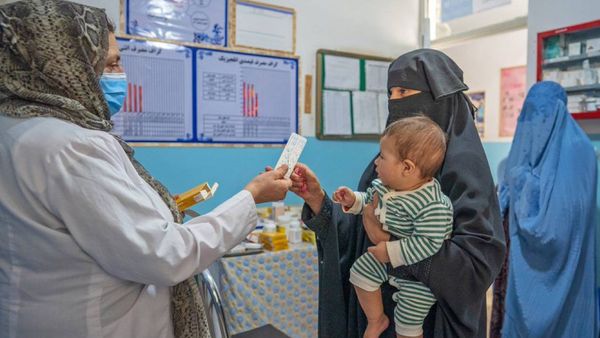
UNICEF reports that 20.8 million people in Afghanistan accessed health services in 2025, including treatment for over two million watery diarrhea cases, prenatal care for over one million women, and COVID-19 vaccinations for 270,000 people. The UN notes that over three million children face severe malnutrition, with more than 14 million needing health services in 2026.