
Kabul Residents Demand Removal of Concrete Barriers Near Russian Embassy
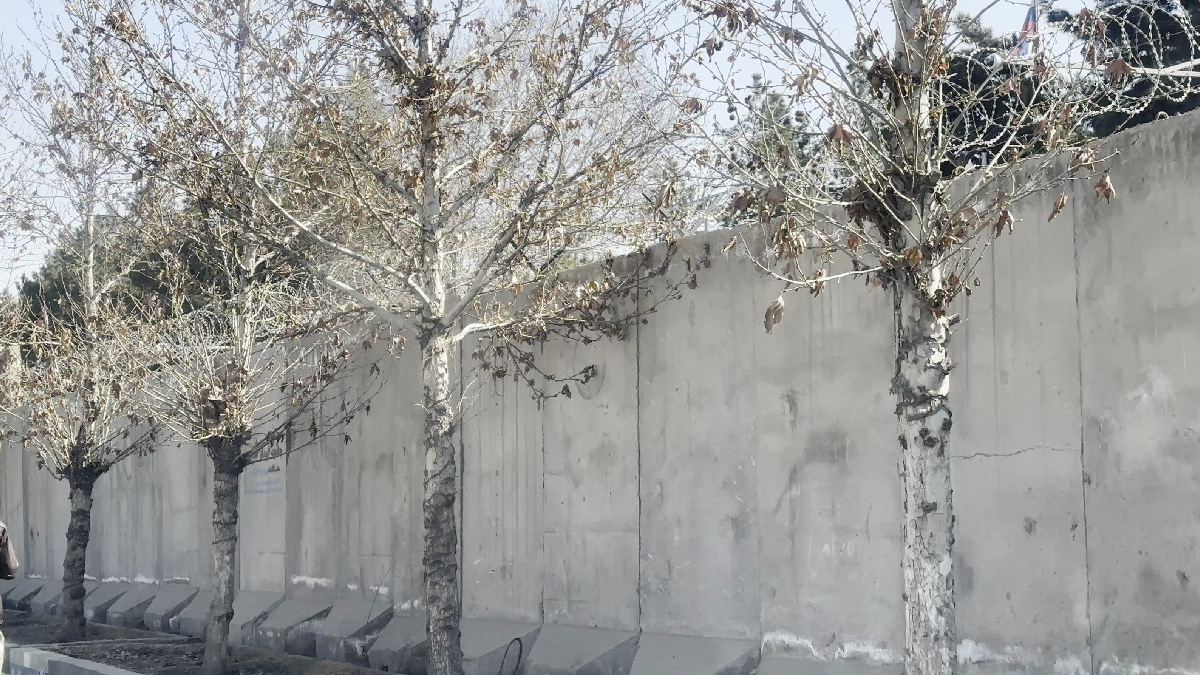
The Ministry of Interior has begun removing concrete barriers in several provinces and parts of Kabul, but residents near the Russian embassy are calling for their removal from that area as well.
Abdul Rahman, a Kabul resident, said the barriers create significant challenges for local movement. "Vehicles come uncontrollably from Shura Road, causing accidents," he told ToloNews. "They should be removed from everywhere, including this embassy."
The barriers have disrupted daily life, complicating access to main routes and causing congestion. Aidin, another resident, said: "Our demand is that these barriers be removed from the roads because there is heavy congestion, vehicles go uncontrollably, accidents happen, and all people complain."
Nawidullah, a third resident, noted that barriers have been cleared elsewhere. "They remain only in front of the embassy, where vehicles come uncontrollably," he said. "The Islamic Emirate should collect these barriers too."
Vehicle drivers have previously complained about longer routes due to the barriers, leading to traffic jams, wasted time, higher fuel consumption and increased fatigue.
More in Society
Islamic Emirate Prime Minister's Office Head Meets Council of Hindus and Sikhs Leader
UN Special Rapporteur Bennett: Taliban Restrictions on Women's Medical Education Could Constitute 'Femicide'

5.4-Magnitude Earthquake Shakes Northern Afghanistan
UNICEF: 20.8 Million People Received Health Services in Afghanistan in 2025
 Reliable
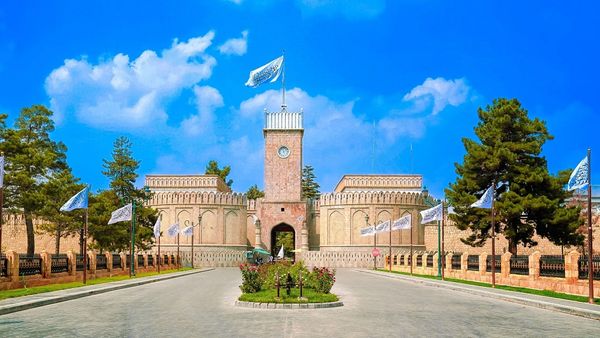
Islamic Emirate Prime Minister's Office Head Meets Council of Hindus and Sikhs Leader
Mullah Abdul Wasi, head of the Islamic Emirate's Prime Minister's Office, met with Manjit Singh Lambhe, leader of Afghanistan's Hindus and Sikhs council, who voiced concerns over properties, electricity, medical licenses, and a temple site. Abdul Wasi promised to address the issues with relevant authorities.
 Reliable
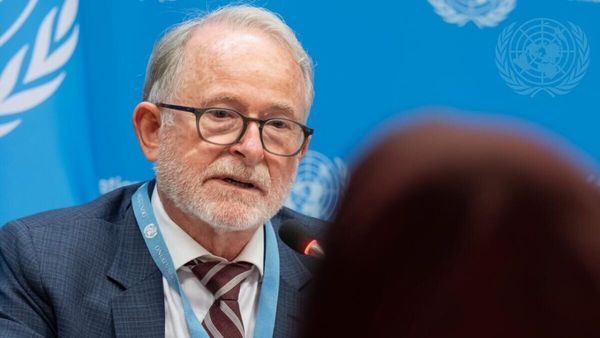
UN Special Rapporteur Bennett: Taliban Restrictions on Women's Medical Education Could Constitute 'Femicide'
UN Special Rapporteur Richard Bennett warned that Taliban bans on women's medical education could constitute 'femicide' and lead to unnecessary deaths amid a collapsing health system. The report details aid cuts, staff shortages, corruption claims, and movement restrictions exacerbating the crisis.
 Reliable
5.4-Magnitude Earthquake Shakes Northern Afghanistan
A 5.4-magnitude earthquake centered near the Afghanistan-Tajikistan border shook northern Afghanistan on Wednesday, including provinces such as Kunduz, Takhar, Baghlan, Badakhshan and Kabul. No immediate reports of casualties or damage.
 Reliable
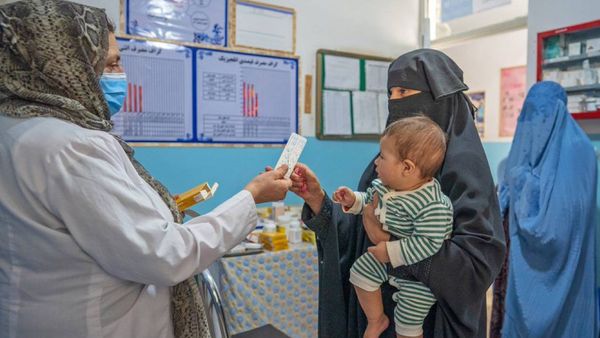
UNICEF: 20.8 Million People Received Health Services in Afghanistan in 2025
UNICEF reports that 20.8 million people in Afghanistan accessed health services in 2025, including treatment for over two million watery diarrhea cases, prenatal care for over one million women, and COVID-19 vaccinations for 270,000 people. The UN notes that over three million children face severe malnutrition, with more than 14 million needing health services in 2026.