
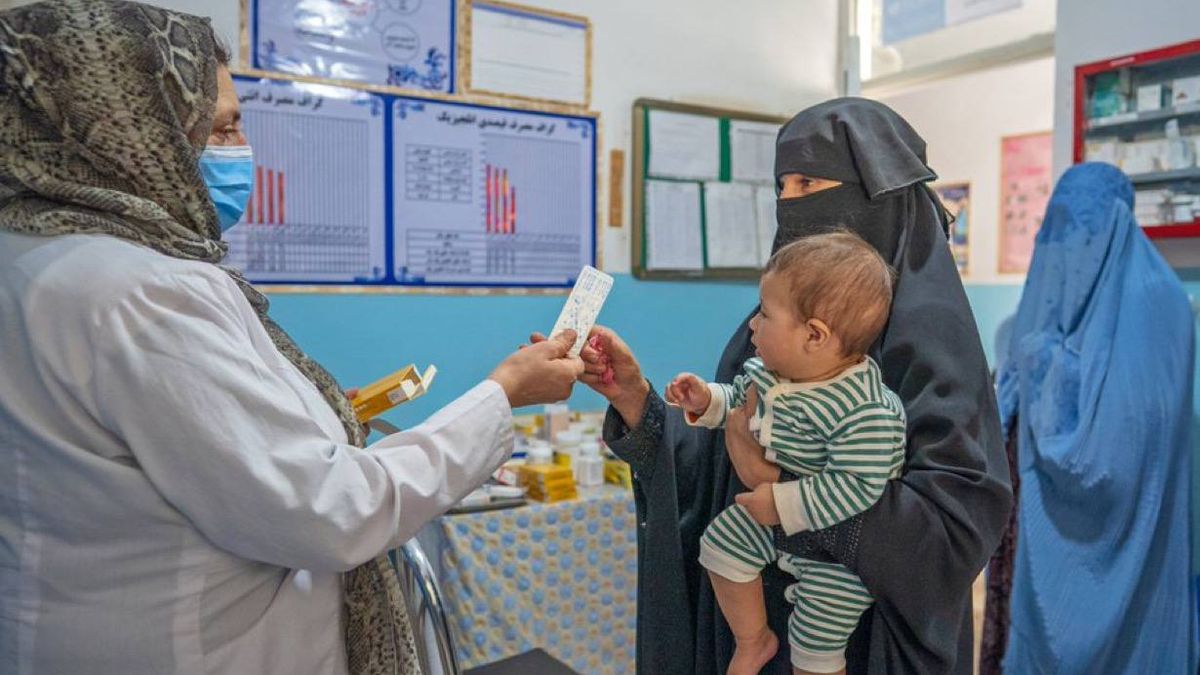
UNICEF: 20.8 Million People Received Health Services in Afghanistan in 2025
The United Nations Children's Fund (UNICEF) states that 20.8 million people in Afghanistan received health services in 2025.
UNICEF reported on Wednesday that more than two million cases of watery diarrhea were treated during the year. The agency provided prenatal care to more than one million women. Additionally, 270,000 people were vaccinated against COVID-19.
The United Nations indicates that more than three million children in Afghanistan are facing severe malnutrition.
The Office for the Coordination of Humanitarian Affairs (OCHA) states that more than 14 million people will require health services in 2026.
More in Society
Residents of Badghis donate over 11 jeribs of land for school construction
Dozens of ethnic and family disputes resolved through mediation in Jawzjan province this year

Afghan Woman Announces Persistence in Education Despite Restrictions
Red Cross Committee provides drinking water access for 850 families in Kandahar
 Reliable
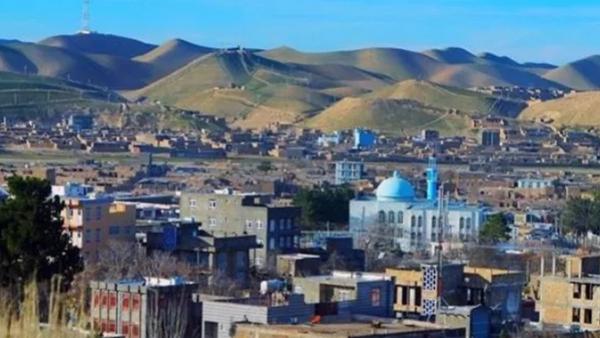
Residents of Badghis donate over 11 jeribs of land for school construction
Residents in Badghis province donated over 11 jeribs of land worth more than 3.5 million afghanis to build schools and madrasas, according to the governor's office spokesperson.
 Reliable
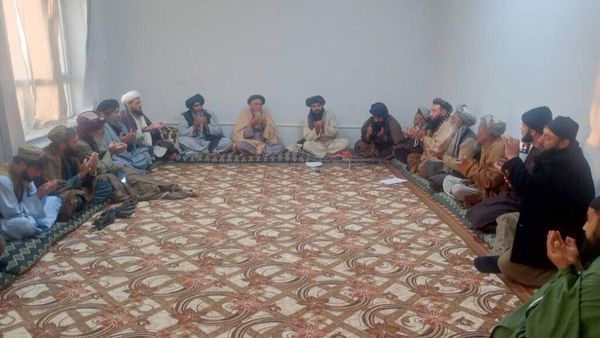
Dozens of ethnic and family disputes resolved through mediation in Jawzjan province this year
Officials in Jawzjan province report resolving 62 ethnic and family disputes through mediation this year, including long-standing enmities involving murders. Meetings under 'Islamic Brotherhood' were held to promote unity and address social issues.
 Unverified
Afghan Woman Announces Persistence in Education Despite Restrictions
An anonymous Afghan woman writes about her resolve to pursue education through alternative means despite bans, praising the resilience of Afghan girls amid restrictions.
 Reliable
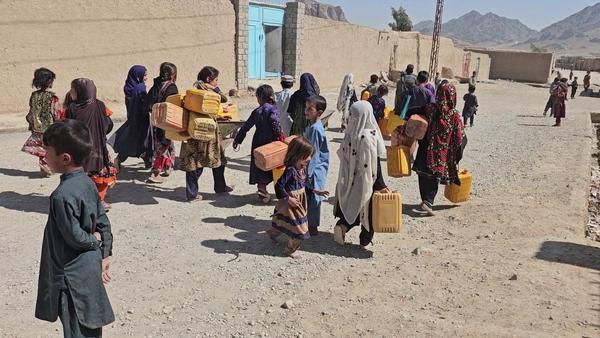
Red Cross Committee provides drinking water access for 850 families in Kandahar
The Red Cross Committee is installing 12.5 km of pipelines to supply clean drinking water to 850 families in Kandahar's ninth district, reducing children's long walks that caused school absences. UN agencies note that eight in 10 Afghans drink contaminated water.