
UN Reports Detail Severe Gender Gaps for Afghan Women and Girls
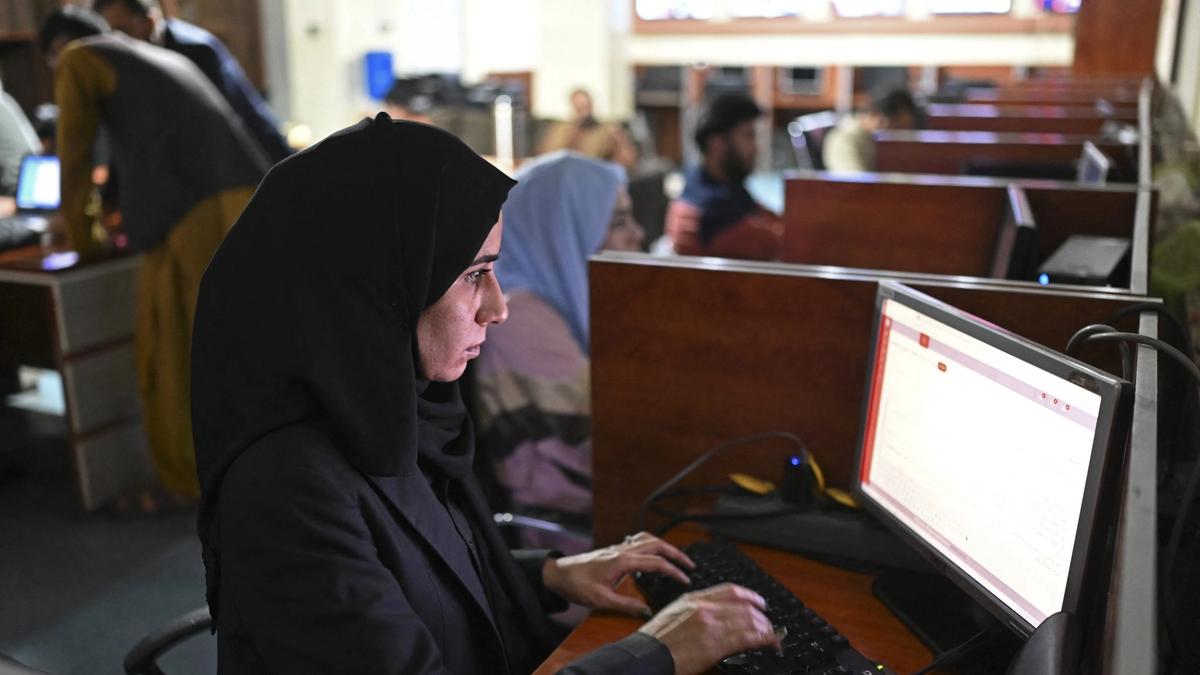
The United Nations Habitat agency for Afghanistan released a report titled "Ten Gender Gaps in Afghanistan" on International Women's Day, warning of profound gender inequality under Taliban rule. The report, based on data from Herat, Jalalabad, Kabul and Kandahar, states that all pathways supporting the security, dignity and empowerment of women and girls have been eliminated. Women have been systematically excluded from urban decision-making processes, while girls face compounded risks including early marriage, poverty, permanent social isolation, denial of education and lack of psychological support.
Urban structures in Afghanistan marginalize women's roles, rendering city job markets largely inaccessible to them. Female-headed households rely on debt or humanitarian aid, with restrictions severely limiting women's income sources.
Separately, UN Women highlighted Afghanistan's position among countries with the world's largest workforce gender gaps, stating that only 7% of women in households are employed compared to 84% of men. The agency emphasized that this situation should not be normalized and that supporting women's access to job opportunities remains possible. It noted broader social and economic consequences, including that 90% of female-headed households lack sufficient food.
Women's protest movements, active during International Women's Day campaigns, have stressed recognition of gender apartheid in Afghanistan and vowed to continue protests until freedoms return. The exiled Free Women's Movement stated: "We are Afghan women, we will not be silenced."
Both reports underscore Afghanistan's extreme gender disparities across education, employment, mobility and urban participation.
More in Society
Ministry of Hajj sets Sadaqah al-Fitr amount at 62-64 Afghanis based on wheat price ahead of Eid al-Fitr
Nearly 50 people arrested in connection with witchcraft in past month
National Spring Tree-Planting Campaign Launched in Kabul
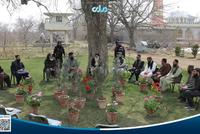
Distribution of 40,000 Pine Saplings Begins in Afghanistan
 Reliable
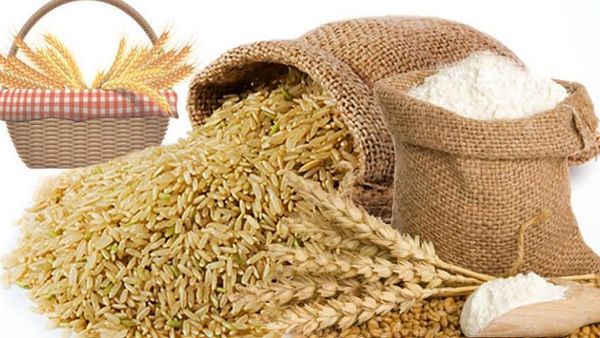
Ministry of Hajj sets Sadaqah al-Fitr amount at 62-64 Afghanis based on wheat price ahead of Eid al-Fitr
Afghanistan's Ministry of Hajj and Religious Affairs has determined the Sadaqah al-Fitr amount at 62-64 Afghanis based on wheat prices for Eid al-Fitr. Religious scholars emphasize its obligation and benefits for social unity and poverty reduction.
 Reliable
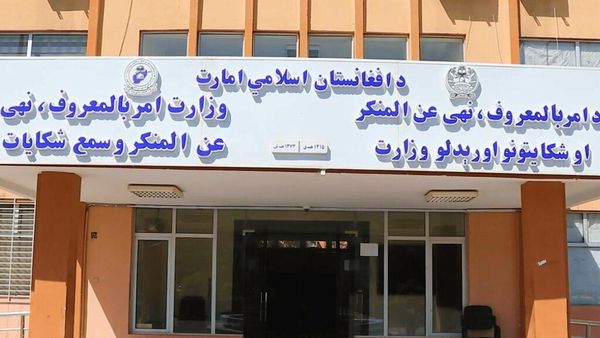
Nearly 50 people arrested in connection with witchcraft in past month
Afghanistan's Ministry of Commanding Good and Forbidding Wrong arrested nearly 50 people for witchcraft in the past month, including five recent cases in Badakhshan and Farah provinces.
 Reliable
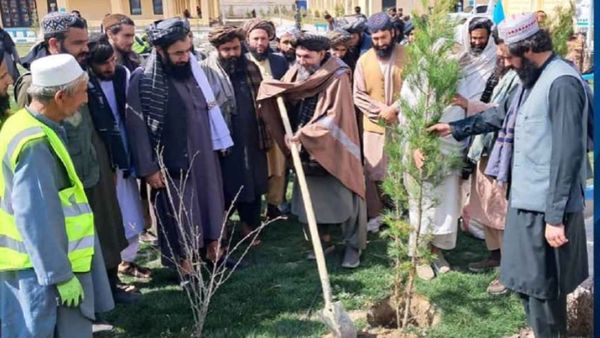
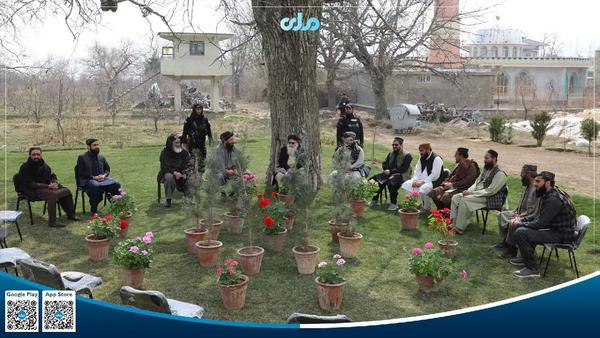
National Spring Tree-Planting Campaign Launched in Kabul
Kabul provincial governor Mullah Aminullah Ubaid launched the national spring tree-planting campaign at a local institute, calling on citizens to plant and maintain saplings for environmental protection. Other officials highlighted tree-planting's role in greening and prospering the country.
 Reliable
Distribution of 40,000 Pine Saplings Begins in Afghanistan
Afghanistan's National Environmental Protection Agency has started distributing 40,000 pine saplings, worth six million afghanis, to seven provinces to combat climate change effects.