
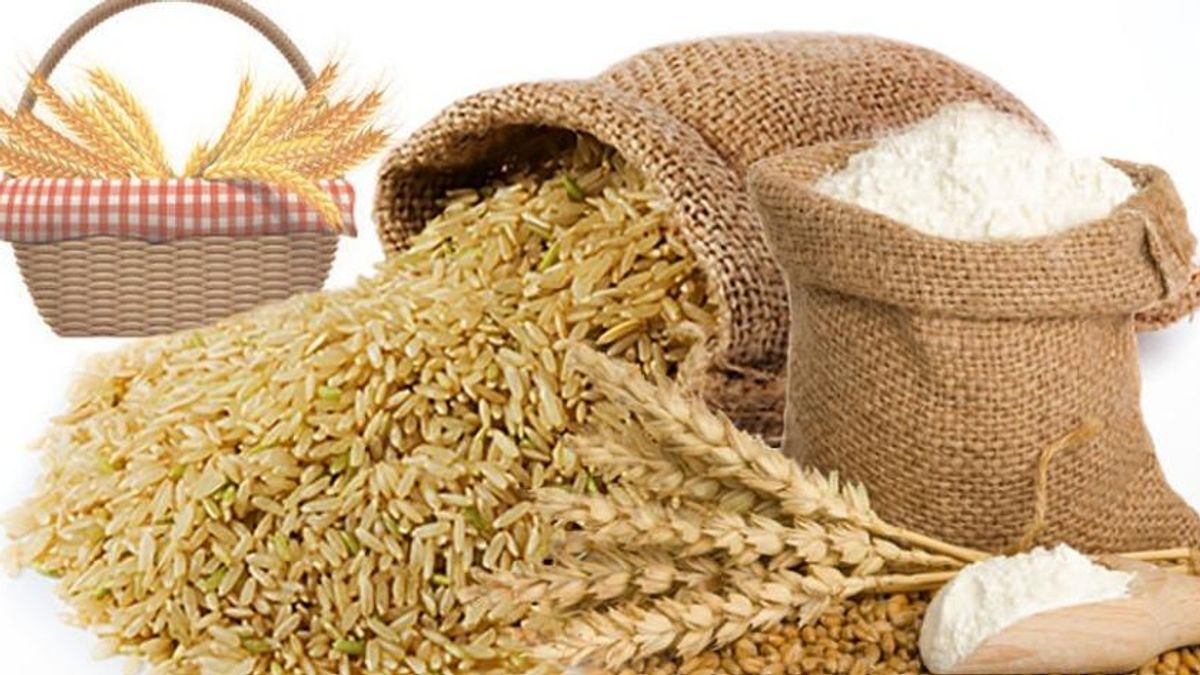
Ministry of Hajj sets Sadaqah al-Fitr amount at 62-64 Afghanis based on wheat price ahead of Eid al-Fitr
Kabul (Pajhwok): Religious scholars state that Sadaqah al-Fitr, also known as Zakat al-Fitr, is an obligatory Islamic ruling that fosters help, affection and brotherhood between the wealthy and the needy in society. The Ministry of Hajj and Religious Affairs has set this year's amount at 62 to 64 Afghanis per person, based on the current market price of wheat.
Sadaqah al-Fitr is an obligatory charity that Muslims pay at the end of Ramadan, before the Eid al-Fitr prayer, to poor and needy individuals.
Noorullah Kosar, a religious scholar, told Pajhwok that Sadaqah al-Fitr is obligatory for each family member of those who can afford it and meet the nisab threshold, meaning they have money beyond daily needs and can cover food for today and tomorrow. He said a family head can pay on behalf of others, but independents must pay their own. It should be given to the poor and destitute.
Kosar added that it becomes obligatory on the morning of Eid but can be paid earlier, ideally in the last two days of Ramadan, and must be before the Eid prayer. He noted it promotes affection between rich and poor, strengthens brotherhood, has positive societal effects, creates economic balance and reduces poverty.
Dhbi Hala, a resident of Kabul's ninth district, said his household of 10 paid early at the start of Ramadan due to fasting and unemployment, urging others to give during Ramadan to help the needy.
The Ministry of Hajj and Religious Affairs detailed prices according to the Hanafi school: 1,900 grams of wheat at 59 Afghanis, wheat flour at 61 Afghanis; for precaution, 2 kg wheat at 62 Afghanis or flour at 64 Afghanis per person. For 3,800 grams: barley at 118 Afghanis, barley flour at 122 Afghanis, dates at 540 Afghanis, raisins at 920 Afghanis. Adjusted for 4 kg per person: barley 124, barley flour 128, dates 568, raisins 986 Afghanis. In provinces, cash equivalents should follow local rates.
More in Society
Nearly 50 people arrested in connection with witchcraft in past month
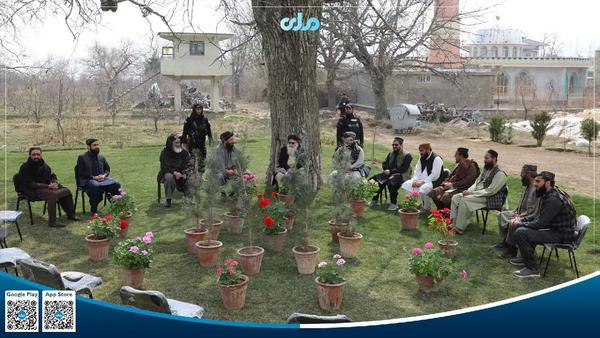
National Spring Tree-Planting Campaign Launched in Kabul
UN Reports Detail Severe Gender Gaps for Afghan Women and Girls
Distribution of 40,000 Pine Saplings Begins in Afghanistan
 Reliable
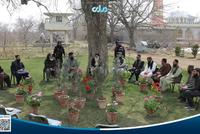
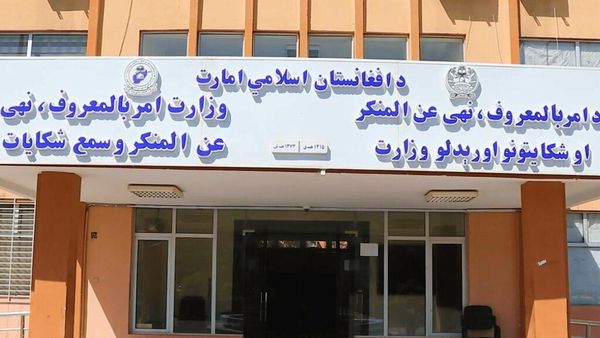
Nearly 50 people arrested in connection with witchcraft in past month
Afghanistan's Ministry of Commanding Good and Forbidding Wrong arrested nearly 50 people for witchcraft in the past month, including five recent cases in Badakhshan and Farah provinces.
 Reliable
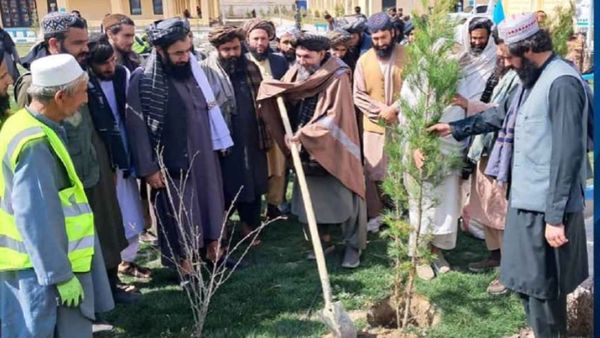
National Spring Tree-Planting Campaign Launched in Kabul
Kabul provincial governor Mullah Aminullah Ubaid launched the national spring tree-planting campaign at a local institute, calling on citizens to plant and maintain saplings for environmental protection. Other officials highlighted tree-planting's role in greening and prospering the country.
 Reliable
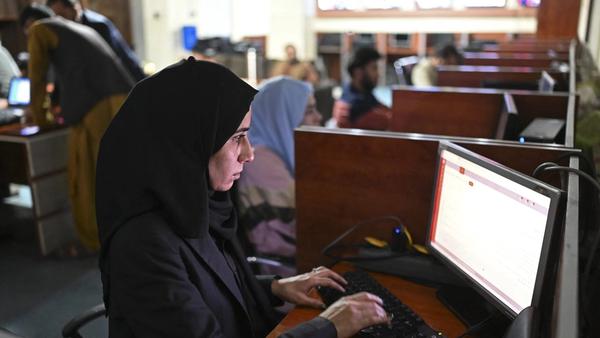
UN Reports Detail Severe Gender Gaps for Afghan Women and Girls
UN agencies released reports on International Women's Day detailing severe gender inequalities in Afghanistan, including eliminated support pathways for women and girls, massive workforce gaps and risks like early marriage and poverty.
 Reliable
Distribution of 40,000 Pine Saplings Begins in Afghanistan
Afghanistan's National Environmental Protection Agency has started distributing 40,000 pine saplings, worth six million afghanis, to seven provinces to combat climate change effects.