
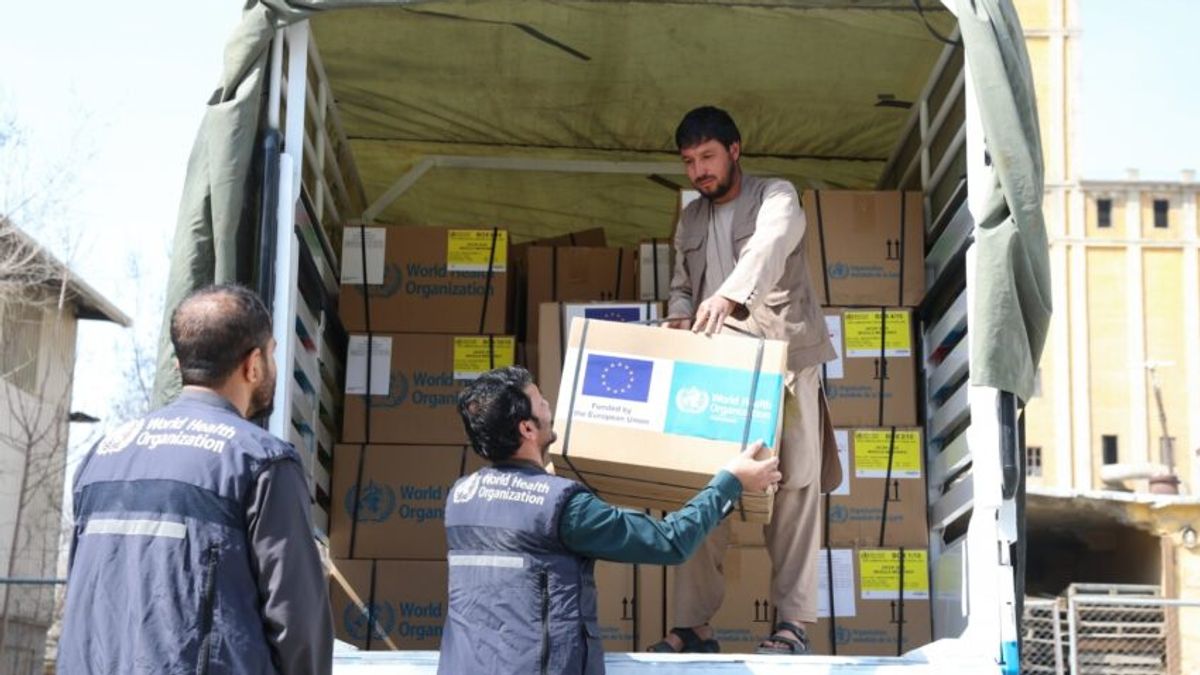
WHO Delivers 25 Tons of Cancer Medicines to Hospitals in Afghanistan
The World Health Organization (WHO) has delivered 25 tons of anti-cancer medicines to the National Cancer Diagnosis and Treatment Hospital in Kabul and several other health centers across Afghanistan.
In a statement issued on Wednesday, WHO said the shipment also included essential medical supplies distributed to Ali Abad Hospital and cancer treatment units in Nangarhar, Balkh, and Herat provinces. The assistance comprises vital chemotherapy medicines and kits for treating non-communicable diseases, which are increasingly affecting patients in the country.
WHO stated that the support is expected to benefit around 16,000 people, with the cancer medicines alone able to treat about 13,130 patients over the next six months. The medical assistance was funded by the European Union as part of efforts to strengthen healthcare services and improve access to treatment for patients in Afghanistan.
Afghanistan's health system has faced significant challenges in recent years, including shortages of medicines, limited diagnostic facilities, and financial constraints impacting hospitals and clinics. Health experts note that cancer cases are rising, while specialized treatment centers and access to chemotherapy drugs remain limited in many areas.
Officials highlighted that the opening of a new cancer diagnosis and treatment hospital in Kabul about a month ago represents an important step in expanding cancer care services.
Know more about this story?
If you have additional information or believe something is inaccurate, let us know. Your tips help us stay accurate.
More in Society
UNICEF Trains More Than 54,000 Teachers in Afghanistan in 2025 to Improve Education Quality
Five killed, five injured as vehicle overturns in Badakhshan province
UN Women: Women Globally Enjoy 64% of Men's Legal Rights Amid Regressions
Ministry of Public Health Forms Committee to Examine Private Health Centers
 Reliable
UNICEF Trains More Than 54,000 Teachers in Afghanistan in 2025 to Improve Education Quality
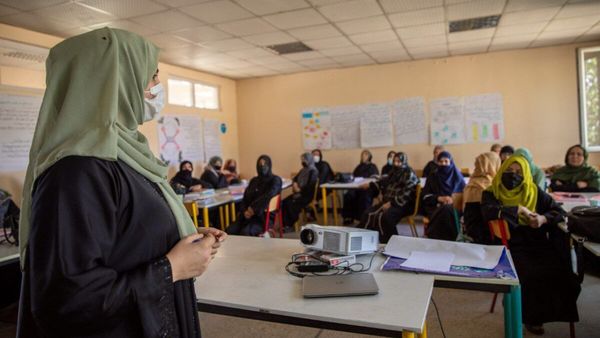
UNICEF reports investing in the training of more than 54,000 teachers in Afghanistan in 2025 through practical programs and structured support to improve education quality and create safer classrooms. The initiative occurs against a backdrop of restrictions on women's rights and girls' secondary education since the Taliban's takeover in 2021.
 Reliable
Five killed, five injured as vehicle overturns in Badakhshan province
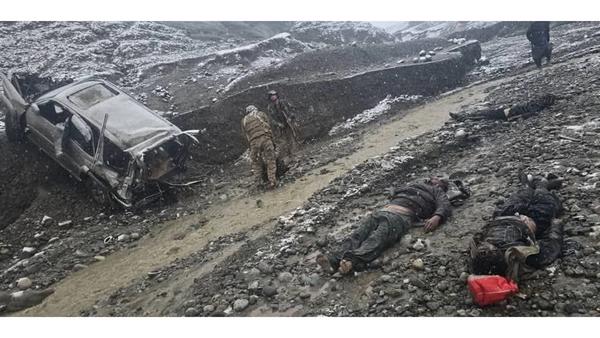
Five people were killed and five others injured when a Frontier-type vehicle overturned in the Kotl Katak area of Shahr-e Bozorg district, Badakhshan province. District governor Molvi Abdul Rashid Rashad attributed the crash to the driver's carelessness.
 Reliable
UN Women: Women Globally Enjoy 64% of Men's Legal Rights Amid Regressions
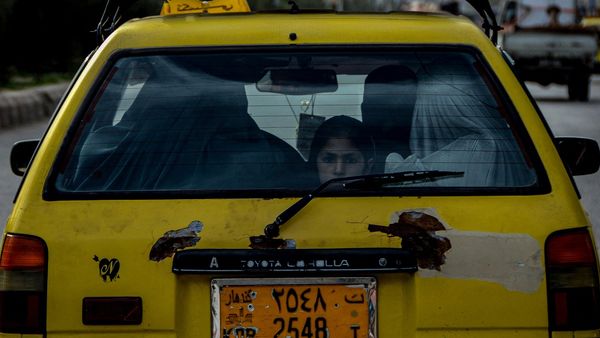
UN Women reports that women globally have only 64% of men's legal rights, facing barriers like unrecognized rape and unequal pay, with regressions due to shrinking democratic spaces. In Afghanistan, Taliban restrictions since 2021 have barred women from education and employment, prompting calls for action from UNICEF, Amnesty International, and Human Rights Watch.
 Reliable
Ministry of Public Health Forms Committee to Examine Private Health Centers
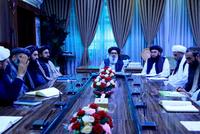
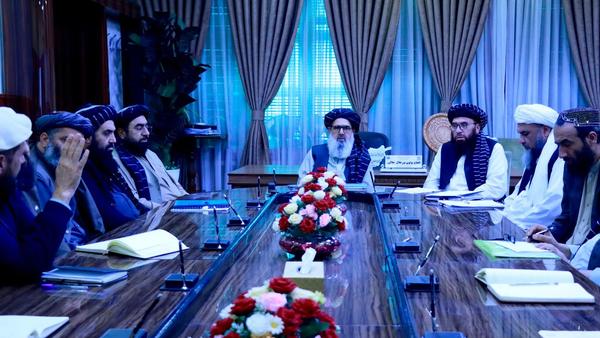
Afghanistan's Ministry of Public Health has formed a committee to review oversight of private health centers and foreign health workers' activities. Minister Maulvi Noor Jalal Jalali stressed preventing health law violations and ensuring service quality, while a joint committee was set up under Deputy Minister Maulvi Abdul Wali Haqqani.