
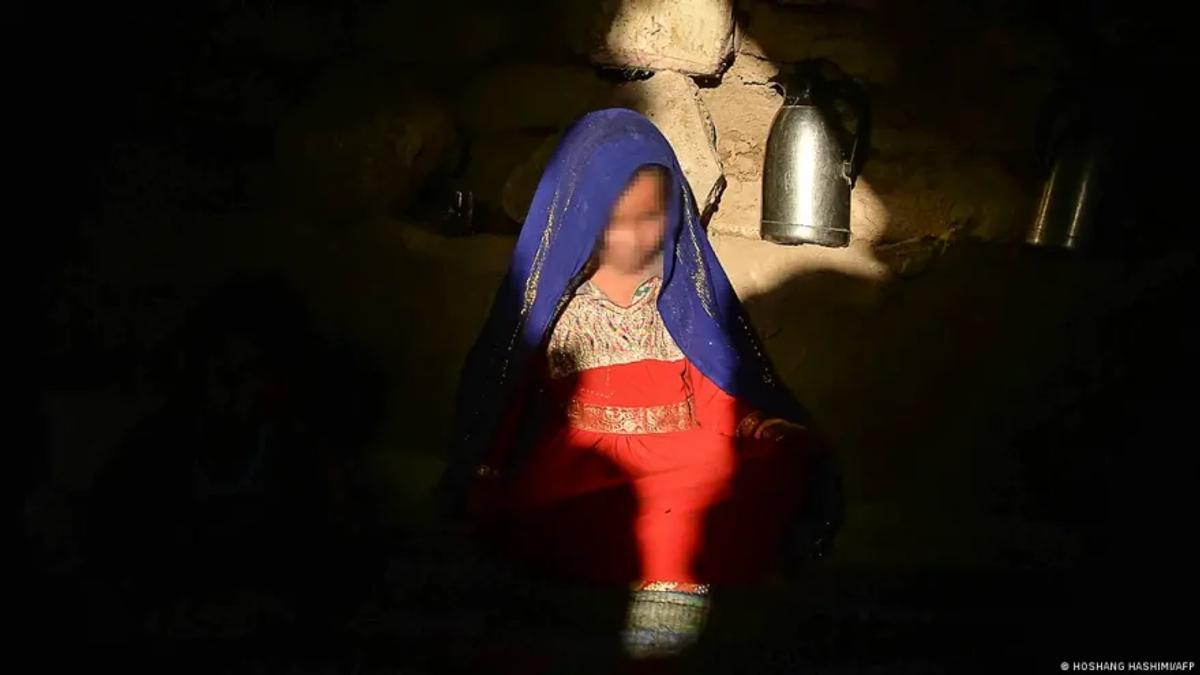
UNICEF Warns Bans on Girls' Education and Women's Work in Afghanistan Cause Long-Term Harm
UNICEF has warned that ongoing bans on girls' education beyond primary school and restrictions on women's employment in Afghanistan are inflicting long-term harm on women, girls and society.
The agency stated that these policies increase protection risks, including economic dependency, reduced access to services, and exposure to exploitation and abuse. Afghanistan remains the only country barring girls and women from secondary and higher education, according to UNICEF.
A joint UNESCO-UNICEF statement from January reported that 2.2 million adolescent girls are excluded from school due to these restrictions. UNICEF highlighted consequences such as heightened risk of child marriage, reduced future earnings potential, worsening mental health, and shortages of trained female professionals in critical sectors like healthcare and education.
The restrictions are eroding individual dignity, undermining national resilience, and limiting opportunities for future generations, UNICEF said. These issues are compounding amid Afghanistan's ongoing humanitarian crisis.
Know more about this story?
If you have additional information or believe something is inaccurate, let us know. Your tips help us stay accurate.
Sources (1)
More in Society
WHO Announces Arrival of 78.5 Tons of Emergency Health Aid in Afghanistan
ICRC: 92 Killed, 375 Injured in Afghanistan Mine and UXO Incidents in 2025

Afghan Boxer Lists 12 Reasons for Dismissing Boxing Federation Acting Head, Calls for Protest
Rains and Floods Damage 57 Houses, Farmland in Maidan Wardak Province
 Reliable
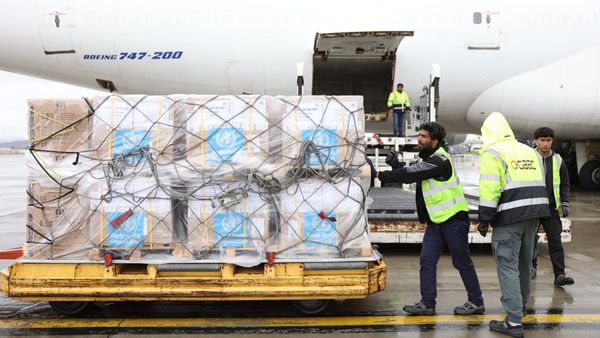
WHO Announces Arrival of 78.5 Tons of Emergency Health Aid in Afghanistan
The World Health Organization announced that 78.5 tons of emergency health aid arrived in Afghanistan from Dubai, including measles kits, pneumonia drugs and nutritional supplies to serve over 419,000 people and enable 13,600 surgeries. The aid addresses severe shortages in the health system since the Taliban's return to power.
 Reliable
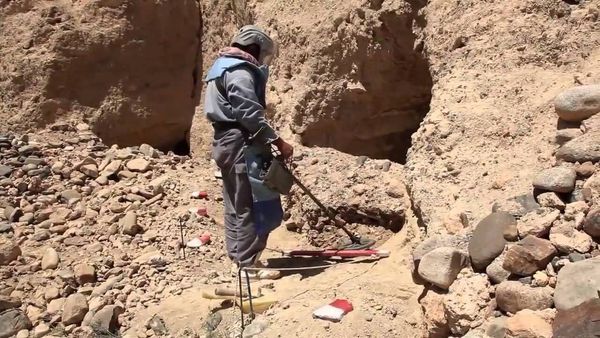
ICRC: 92 Killed, 375 Injured in Afghanistan Mine and UXO Incidents in 2025
The International Committee of the Red Cross reported 217 mine and unexploded ordnance incidents in Afghanistan in 2025, resulting in 92 deaths and 375 injuries, with children accounting for 66% of the 467 casualties. The organization provided rehabilitation to over 6,750 victims and awareness sessions to more than 210,500 people from 2023 to 2025.
 Reliable
Afghan Boxer Lists 12 Reasons for Dismissing Boxing Federation Acting Head, Calls for Protest
Afghan boxer Mohammad Zakaria Zamani listed 12 reasons for dismissing the acting head of the Afghanistan Boxing Federation, including financial demands on athletes, unfair selections, and poor planning. He called on athletes and coaches to join a protest on Saturday to safeguard young boxers' futures.
 Reliable
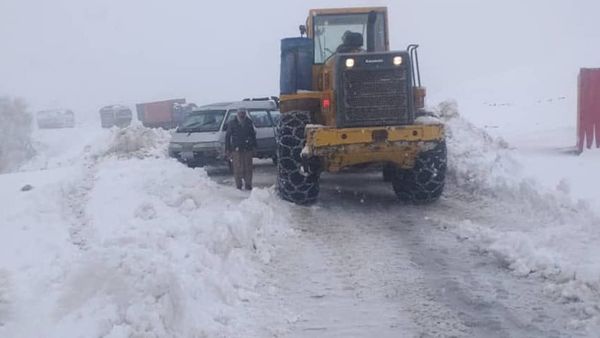
Rains and Floods Damage 57 Houses, Farmland in Maidan Wardak Province
Recent rains and floods from the 10th to 14th of Wray month damaged 57 houses and 32 jeribs of agricultural land in Maidan Wardak province, killing one child and injuring another, per the local Directorate of Disaster Management and Preparedness. The reported figures are preliminary and losses may be higher.