

UN agencies urge lifting of restrictions on Afghan women on International Women's Day
On International Women's Day, March 8, 2026, multiple UN agencies called for justice, equal rights, and the lifting of restrictions on Afghan women and girls.
UNICEF emphasized the immediate lifting of the ban on women working in UN offices in Afghanistan, noting that female staff have been barred from entering for six months. The agency stated that women employees play a vital role in delivering lifesaving services. UNICEF also highlighted that over 2 million children are out of school, with projections of nearly 4 million girls missing secondary education by 2030, leading to profound consequences for the country's future.
The UN Office for the Coordination of Humanitarian Affairs (OCHA) said women in Afghanistan continue essential aid work despite restrictions, particularly for women and children relying on health, education, and social services. OCHA called for stronger support and protection for female aid workers.
The UN Assistance Mission in Afghanistan (UNAMA) reported that Afghan women have about four times less access to formal justice mechanisms than men, with only 14% of consulted women reporting access compared to 53% of men. UNAMA Deputy Head Georgette Gagnon warned that barriers erode trust in institutions and increase vulnerability. Special Representative Susan Ferguson stated access to justice is fundamental for women's security and dignity. The findings, based on consultations by UN Women and the International Organization for Migration, noted worsening access over the past year, exacerbated by Taliban Decree No. 12 on penalties issued earlier in 2026. Informal mechanisms like shuras and jirgas further limit women's representation.
UNESCO expressed solidarity, urging against normalizing the denial of education to millions of girls and stating change is still possible.
The Islamic Emirate has not commented on these reports but previously stated women's rights are ensured per Islamic Sharia framework. Activist groups described restrictions as a deliberate cultural erasure and a stain on humanity. One commentary reflected on women's historical suffering in Afghan wars, emphasizing lasting psychological and social impacts.
More in Society
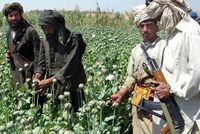
Statement from 69th Anti-Narcotics Commission Meeting Cites Rise in Women's Drug Addiction in Afghanistan
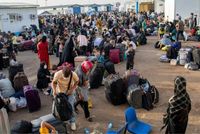
UNICEF: Afghan Children Returning from Iran Face Uncertainty
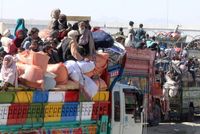
Pakistani Police Deporting Afghan Migrants, Including Sick Women: Migrants
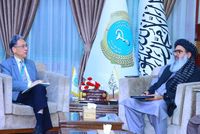
Afghan Public Health Minister Meets WHO Representative on Health Services Expansion
 Reliable
Statement from 69th Anti-Narcotics Commission Meeting Cites Rise in Women's Drug Addiction in Afghanistan
The 69th meeting of the UN Commission on Narcotic Drugs stated that drug addiction among Afghan women has risen to nearly 1 million amid Taliban restrictions, citing UNODC data, and warned against illegal natural resource extraction.
 Reliable
UNICEF: Afghan Children Returning from Iran Face Uncertainty
UNICEF reports that Afghan children returning from Iran face uncertainty, urgent humanitarian needs, and risks amid strained services at border reception centers. In 2025, nearly three million Afghans returned, with the agency calling for more aid to address malnutrition and health pressures.
 Reliable
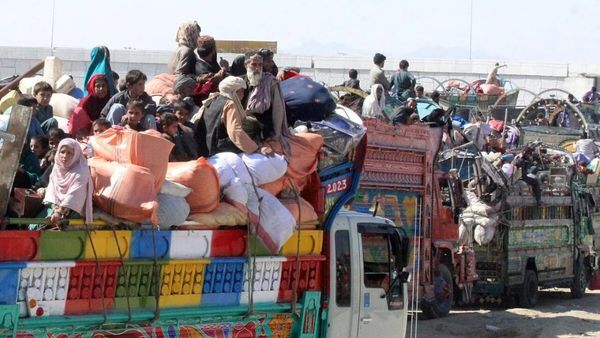
Pakistani Police Deporting Afghan Migrants, Including Sick Women: Migrants
Pakistani authorities are forcing out Afghan migrants, including treating sick women harshly during deportations, according to migrants in Pakistan. The Taliban's migrant commission reports at least 75 families were deported by Pakistan and Iran on 17 Hoot.
 Reliable
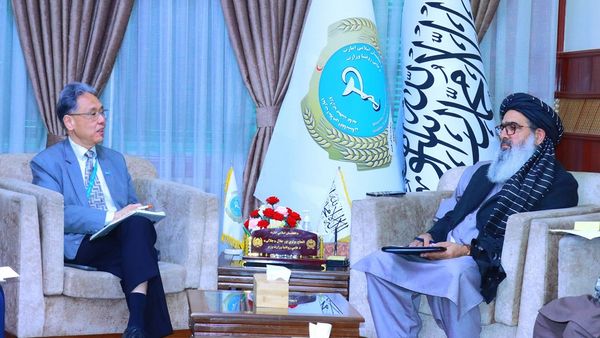
Afghan Public Health Minister Meets WHO Representative on Health Services Expansion
Afghanistan's Public Health Minister Noor Jalal Jalali held talks with WHO representative Edwin Seniza Salvador on expanding health services, capacity building, cancer care, coordination, and transparency. Related ministry events highlighted specialist shortages and the opening of a national cancer hospital.