

Statement from 69th Anti-Narcotics Commission Meeting Cites Rise in Women's Drug Addiction in Afghanistan
A statement issued at the 69th meeting of the Commission on Narcotic Drugs (CND) in Vienna on Tuesday, March 19, highlighted concerns over the drug crisis and women's addiction in Afghanistan following the Taliban's takeover.
The statement noted that the Taliban's restrictions on women's education and employment are negatively impacting social resilience and anti-drug efforts. According to assessments by the UN Office on Drugs and Crime (UNODC), the number of drug addicts in the country stands at approximately 3 to 3.6 million, with nearly 1 million being women.
The most commonly used substances include opium, heroin, hashish and sedatives, with women's addiction often affecting entire families, the statement said.
It also warned of widespread illegal extraction of natural resources, describing it as a factor contributing to environmental destruction and the exacerbation of people's suffering.
The CND statement urged the international community to avoid legitimizing the Taliban's performative actions and to ensure humanitarian aid reaches the Afghan people directly, without bolstering illegal or repressive structures.
More in Society
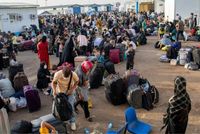
UNICEF: Afghan Children Returning from Iran Face Uncertainty
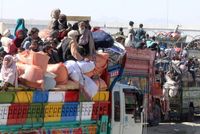
Pakistani Police Deporting Afghan Migrants, Including Sick Women: Migrants
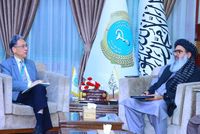
Afghan Public Health Minister Meets WHO Representative on Health Services Expansion
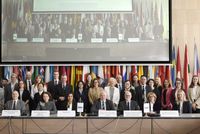
Afghan Embassy and Mission in Vienna Hold Meeting on Long-Term Effects of Girls' Education Ban
 Reliable
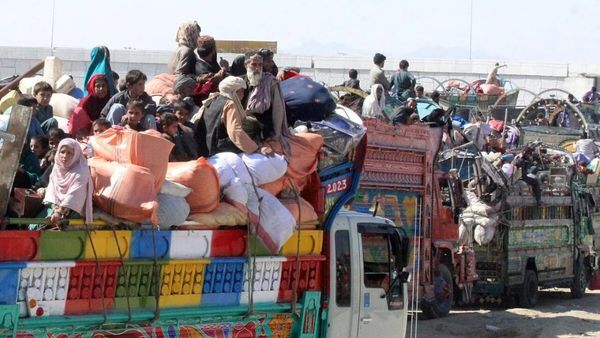
UNICEF: Afghan Children Returning from Iran Face Uncertainty
UNICEF reports that Afghan children returning from Iran face uncertainty, urgent humanitarian needs, and risks amid strained services at border reception centers. In 2025, nearly three million Afghans returned, with the agency calling for more aid to address malnutrition and health pressures.
 Reliable
Pakistani Police Deporting Afghan Migrants, Including Sick Women: Migrants
Pakistani authorities are forcing out Afghan migrants, including treating sick women harshly during deportations, according to migrants in Pakistan. The Taliban's migrant commission reports at least 75 families were deported by Pakistan and Iran on 17 Hoot.
 Reliable
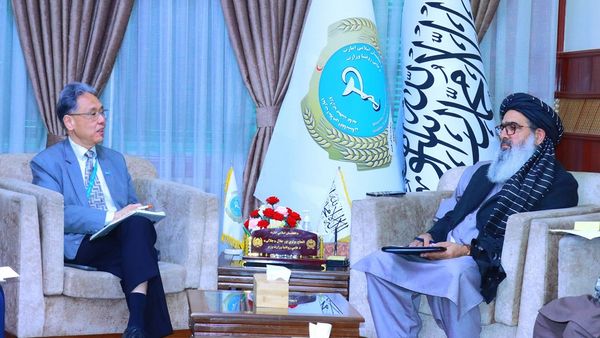
Afghan Public Health Minister Meets WHO Representative on Health Services Expansion
Afghanistan's Public Health Minister Noor Jalal Jalali held talks with WHO representative Edwin Seniza Salvador on expanding health services, capacity building, cancer care, coordination, and transparency. Related ministry events highlighted specialist shortages and the opening of a national cancer hospital.
 Reliable
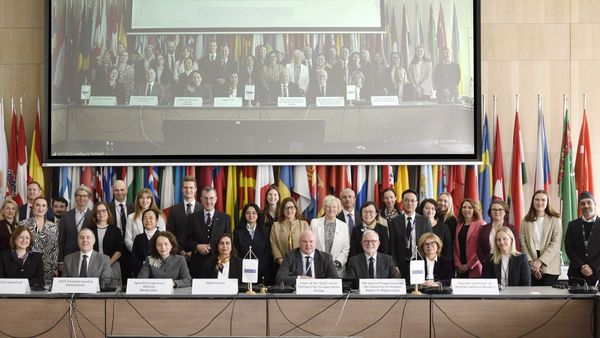
Afghan Embassy and Mission in Vienna Hold Meeting on Long-Term Effects of Girls' Education Ban
Afghanistan's embassy and permanent mission in Vienna held a meeting with Finland on the long-term impacts of the ban on girls' education, attended by UN Special Rapporteur Richard Bennett and activist Mira Mehran. Ambassador Manizha Bakhtari emphasized that excluding half the population from education undermines stability and development.