
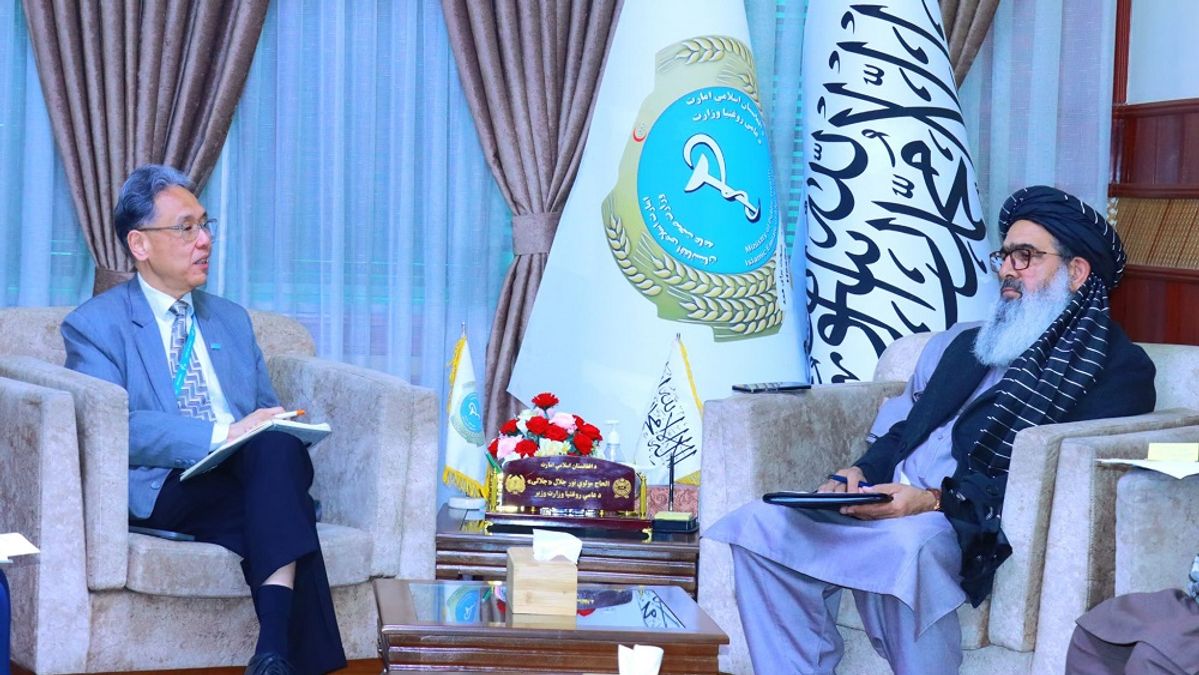
Afghan Public Health Minister Meets WHO Representative on Health Services Expansion
KABUL (Afghan Verified) -- Noor Jalal Jalali, Afghanistan's Public Health Minister, met with Edwin Seniza Salvador, head of the World Health Organization office in Afghanistan, to discuss expanding health services, capacity building for health workers, development of cancer treatment services, operational coordination, transparency in service delivery, and preparations for future health sector meetings.
According to a statement from the Public Health Ministry, other WHO officials and representatives from additional organizations attended the meeting held on Tuesday. Jalali stressed the importance of implementing health projects and services in line with the ministry's national policies and strategic documents, prioritizing the ministry's identified needs. He urged WHO officials to enhance transparency, strengthen coordination with the ministry, and take steps to improve health service quality and public access to treatment.
Salvador reaffirmed WHO's commitment to continued close cooperation with the Public Health Ministry, stating the organization would align essential health services with the ministry's policies and priorities.
In related developments reported by Ariana News, Jalali highlighted Afghanistan's ongoing shortage of specialist doctors during a graduation ceremony for specialists from the General Directorate of Specialization Completion in 1404. He noted that 318 districts classified as 'white areas' still lack hospitals, with initial construction stages completed in 100 of them. The minister emphasized developing health infrastructure and training specialists as key priorities, urging doctors to treat patients with professional ethics, religious duty, and humane behavior, viewing medicine as service to God and the suffering people rather than a means for material gain.
Hamdullah Naumani, Minister of Communications and Information Technology, addressed declining public trust in some doctors due to profit-driven practices and called on new graduates to serve with sincerity. Abdul Wali Siddiqi, the ministry's deputy for finance and administration, and Abdul Baqi Haqqani, head of the National Examinations Administration, also spoke on professional commitment and the vital role of doctors.
Ariana News further reported the ministry's inauguration of Afghanistan's first national cancer diagnosis and treatment hospital, with Jalali describing the 200-bed facility as a source of hope for cancer patients.
More in Society
Afghan Embassy and Mission in Vienna Hold Meeting on Long-Term Effects of Girls' Education Ban
National Statistics and Information Authority: Over 4,100 Afghans in UAE Receive Electronic ID Cards Since Start of Year
17-Year-Old Afghan Girl Voices Objection to Taliban Restrictions on International Women's Day
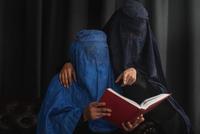
Afghan Women Between Tradition, Limitations, and Desire for Social Presence
 Reliable
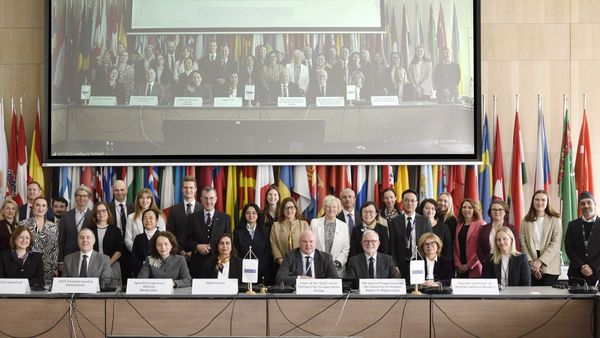
Afghan Embassy and Mission in Vienna Hold Meeting on Long-Term Effects of Girls' Education Ban
Afghanistan's embassy and permanent mission in Vienna held a meeting with Finland on the long-term impacts of the ban on girls' education, attended by UN Special Rapporteur Richard Bennett and activist Mira Mehran. Ambassador Manizha Bakhtari emphasized that excluding half the population from education undermines stability and development.
 Reliable
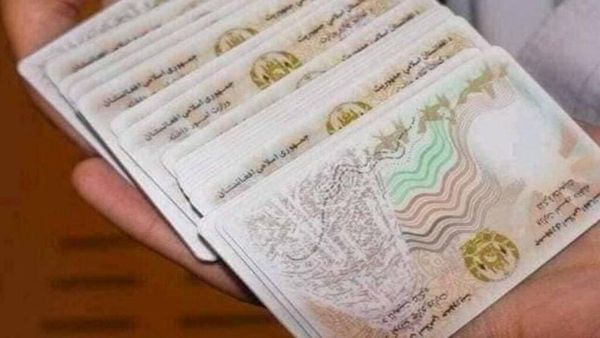
National Statistics and Information Authority: Over 4,100 Afghans in UAE Receive Electronic ID Cards Since Start of Year
Afghanistan's National Statistics and Information Authority reports distributing over 4,100 electronic ID cards to Afghans in the UAE since the start of the solar year, with services set to continue for four more months.
 Unverified
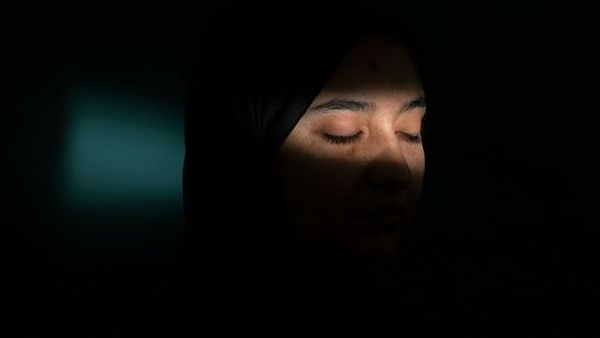
17-Year-Old Afghan Girl Voices Objection to Taliban Restrictions on International Women's Day
A 17-year-old Afghan girl shared her anguish on International Women's Day, unable to attend school or move freely under Taliban rule, fearing forced marriage.
 Unverified
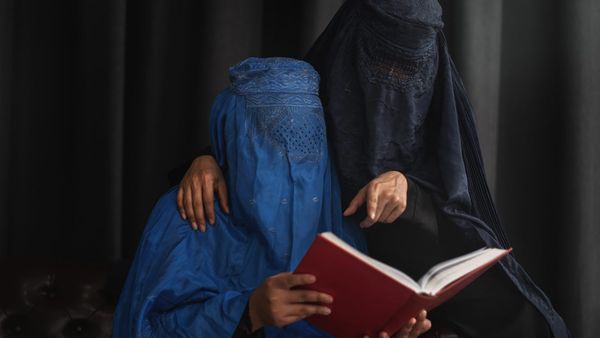
Afghan Women Between Tradition, Limitations, and Desire for Social Presence
An analysis portrays Afghan women's lives as balancing traditions, restrictions, and aspirations for social participation, highlighting gradual changes amid cultural and economic challenges. It advocates for education and dialogue to foster balanced progress.