
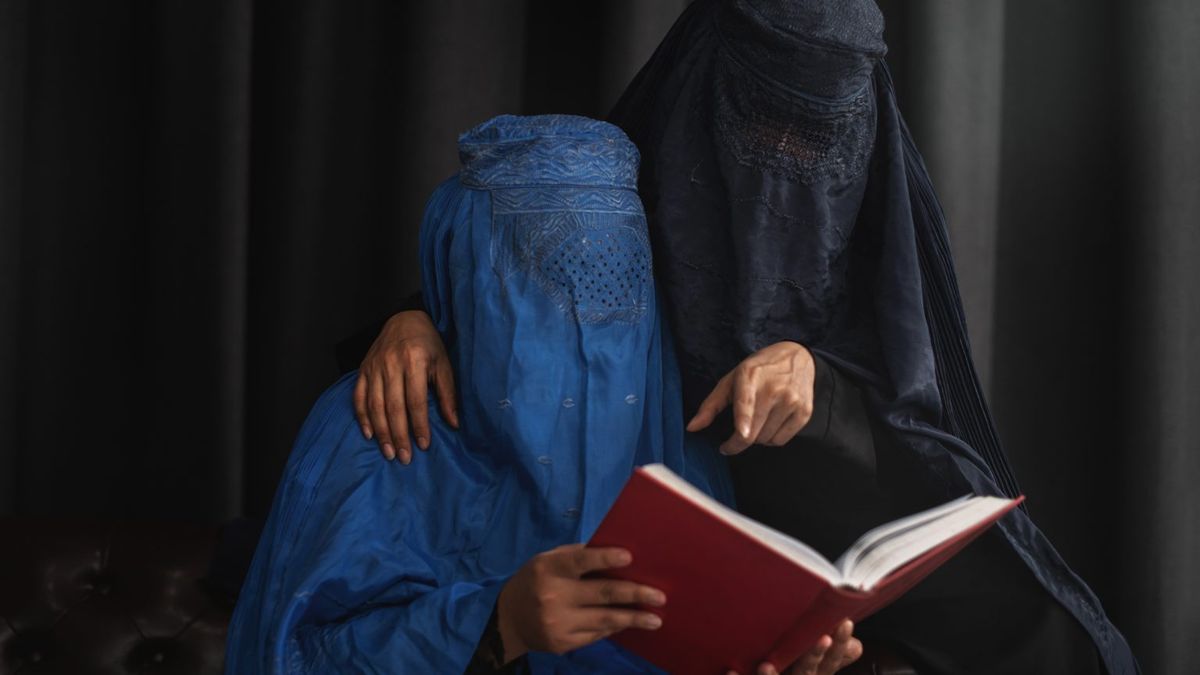
Afghan Women Between Tradition, Limitations, and Desire for Social Presence
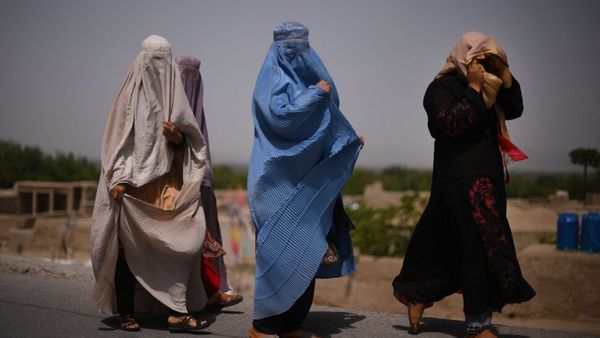
The life of Afghan women presents a complex and multifaceted picture, situated between longstanding traditions that form part of the society's cultural identity, restrictions imposed upon them, and their aspiration for active participation in society, according to an analysis by Hasht-e Subh.
Typically, discussions of Afghan women evoke two contrasting images: one of a woman living within traditional frameworks where her role is primarily defined within the home, and another of a woman striving to transcend these boundaries to claim a broader place in society. The reality lies in the gray area between these images, where tradition, limitations, and the desire for social engagement coexist.
Afghanistan has long been a traditional society, where social roles and responsibilities are often defined by cultural and historical interpretations. Women's positions have historically been linked to family and child-rearing, a view many families still consider natural. Public presence for women is not always seen as a social necessity but sometimes as secondary or even inappropriate.
However, this does not capture the full picture. In recent decades, slow but noticeable shifts occurred in parts of society toward women's roles, though these changes largely stalled under the new governing environment. Increased access to education, connections to the outside world, and new social experiences have spurred greater interest among girls and women in education and social activities. For many, pursuing studies or work is not merely personal choice but an effort to gain a share in social life.
Obstacles persist, rooted in cultural and tribal traditions. In some areas, concerns arise that women's expanded public presence may conflict with traditional values, even if motivated by protection. Social and economic conditions, shaped by decades of war, instability, and economic hardship, have also marginalized issues like girls' education.
Despite these challenges, efforts and hope among Afghan women are evident. In cities and some remote areas, girls pursue education amid difficulties, and women engage in fields like education, health, social activities, and culture. This presence, though limited, signals gradual societal change.
The analysis calls for a balanced perspective, avoiding extremes that either overemphasize restrictions or downplay difficulties. Afghan women are neither mere victims nor fully free from constraints; they navigate a space blending tradition and emerging change. Sustainable progress, it suggests, requires gradual approaches through dialogue and education to align with cultural realities while expanding opportunities.
More in Society
National Statistics and Information Authority: Over 4,100 Afghans in UAE Receive Electronic ID Cards Since Start of Year
17-Year-Old Afghan Girl Voices Objection to Taliban Restrictions on International Women's Day
Personal Account Describes Closure of Girls' Learning Center in Afghanistan
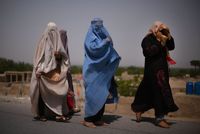
Patriarchal Society Treats Land and Women as Commodities, Hasht-e Subh Argues
 Reliable
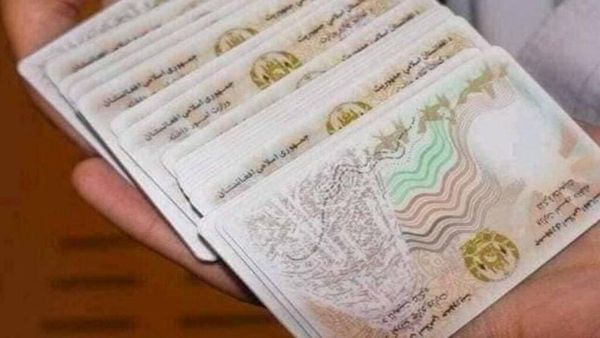
National Statistics and Information Authority: Over 4,100 Afghans in UAE Receive Electronic ID Cards Since Start of Year
Afghanistan's National Statistics and Information Authority reports distributing over 4,100 electronic ID cards to Afghans in the UAE since the start of the solar year, with services set to continue for four more months.
 Unverified
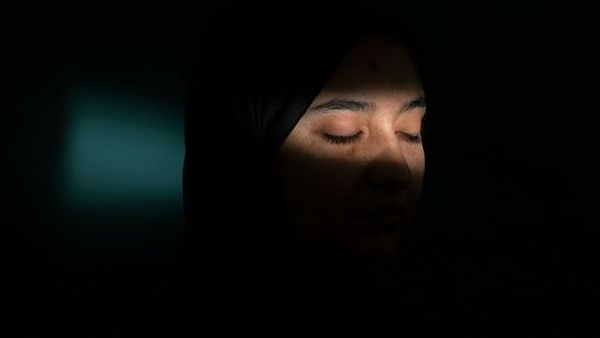
17-Year-Old Afghan Girl Voices Objection to Taliban Restrictions on International Women's Day
A 17-year-old Afghan girl shared her anguish on International Women's Day, unable to attend school or move freely under Taliban rule, fearing forced marriage.
 Unverified
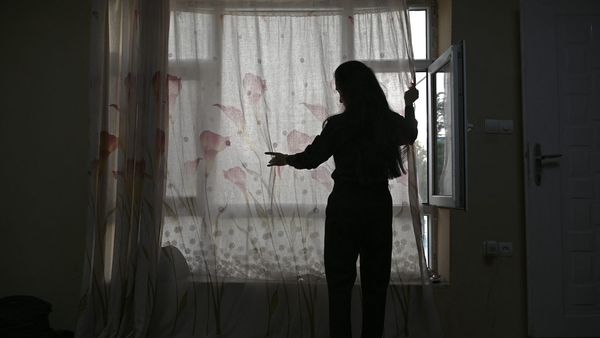
Personal Account Describes Closure of Girls' Learning Center in Afghanistan
A Hasht-e Subh personal narrative recounts the sudden shutdown of a Pritafal girls' learning center, highlighting despair among students and teachers amid repeated closures.
 Unverified
Patriarchal Society Treats Land and Women as Commodities, Hasht-e Subh Argues
Hasht-e Subh publishes commentary on International Women's Day linking patriarchal oppression of women to environmental exploitation in Afghanistan, where women manage resources like water and soil but lack decision-making power amid crises.