
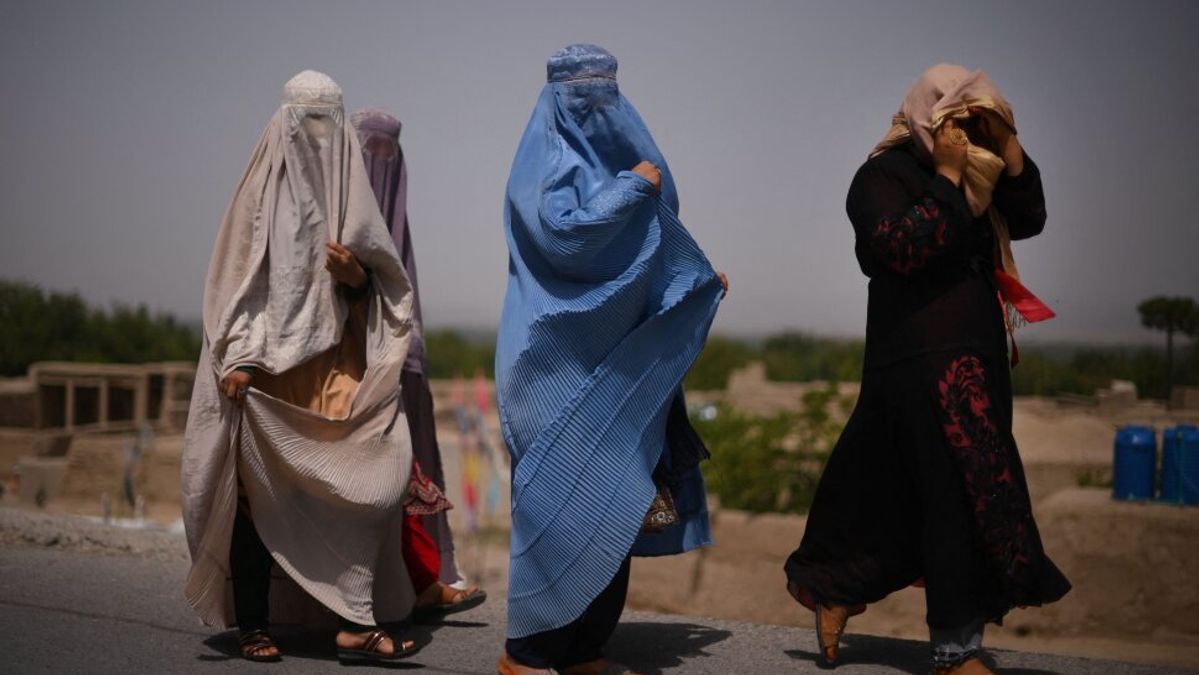
Patriarchal Society Treats Land and Women as Commodities, Hasht-e Subh Argues
An article published by Hasht-e Subh on International Women's Day, marked on March 8, examines links between the suppression of women and environmental degradation in patriarchal societies. It argues that in such systems, both women and natural resources like land, water, forests, and air are treated as commodities for exploitation, without recognition of rights to decision-making, ownership, or protection.
The piece focuses on Afghanistan, where women are excluded from many social and political spheres amid environmental crises including water shortages, soil erosion, air pollution, poor waste management, and natural resource depletion. Women, described as bearing the brunt of these issues, play key roles in household water management, fetching water from distant sources in rural areas, cooking, cleaning, and small-scale irrigation.
Despite their close involvement with water, decision-making on resource management remains dominated by men, limiting women's influence on policies. Reduced access to clean water threatens food production and family food security, while contaminated water causes health issues disproportionately affecting women and children. Social spaces around water sources have diminished due to insecurity, poverty, and restrictions.
On soil, the article states that rural women preserve seeds, apply traditional farming knowledge, and maintain ecological balance, but development policies involving overuse, chemicals, and deforestation have led to crises. In Afghanistan, drought and climate change have turned fertile lands semi-arid, impacting women reliant on agriculture. Cultural traditions symbolize both women and earth as fertility and nurturing, though these are sometimes used for control.
Air pollution from poor fuels, old vehicles, and industry affects cities, with women facing greater exposure due to childcare and cooking with polluting fuels, leading to respiratory diseases, asthma, and heart issues. Severe pollution limits outdoor activities, confining women further. The text also mentions multiple pollutions—chemical, noise, light, biological—threatening women's reproductive health and social life.
More in Society
Afghan Public Health Minister Meets WHO Representative on Health Services Expansion
Afghan Embassy and Mission in Vienna Hold Meeting on Long-Term Effects of Girls' Education Ban
National Statistics and Information Authority: Over 4,100 Afghans in UAE Receive Electronic ID Cards Since Start of Year
17-Year-Old Afghan Girl Voices Objection to Taliban Restrictions on International Women's Day
 Reliable
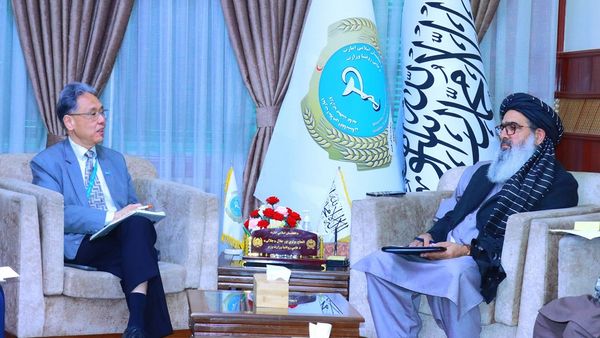
Afghan Public Health Minister Meets WHO Representative on Health Services Expansion
Afghanistan's Public Health Minister Noor Jalal Jalali held talks with WHO representative Edwin Seniza Salvador on expanding health services, capacity building, cancer care, coordination, and transparency. Related ministry events highlighted specialist shortages and the opening of a national cancer hospital.
 Reliable
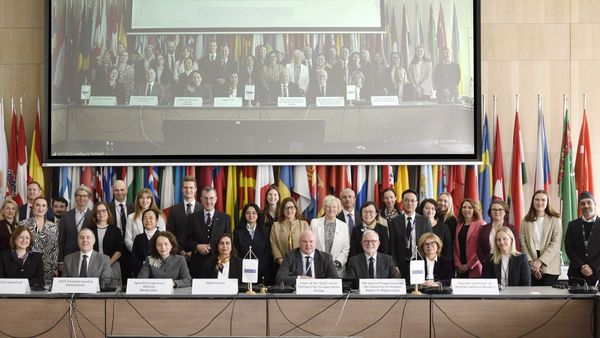
Afghan Embassy and Mission in Vienna Hold Meeting on Long-Term Effects of Girls' Education Ban
Afghanistan's embassy and permanent mission in Vienna held a meeting with Finland on the long-term impacts of the ban on girls' education, attended by UN Special Rapporteur Richard Bennett and activist Mira Mehran. Ambassador Manizha Bakhtari emphasized that excluding half the population from education undermines stability and development.
 Reliable
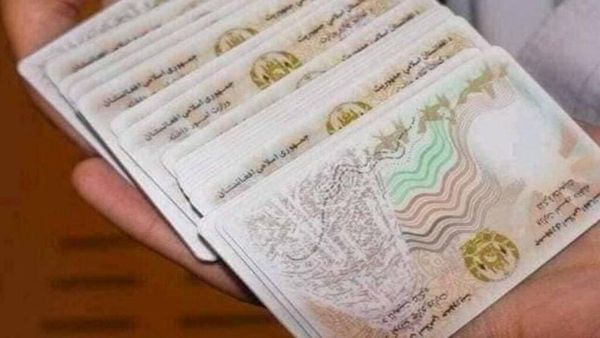
National Statistics and Information Authority: Over 4,100 Afghans in UAE Receive Electronic ID Cards Since Start of Year
Afghanistan's National Statistics and Information Authority reports distributing over 4,100 electronic ID cards to Afghans in the UAE since the start of the solar year, with services set to continue for four more months.
 Unverified
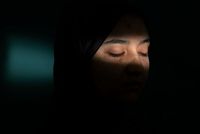
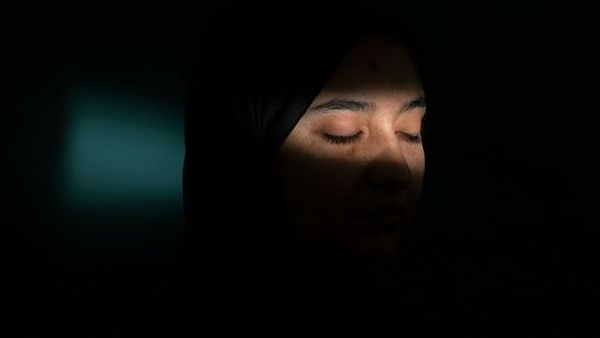
17-Year-Old Afghan Girl Voices Objection to Taliban Restrictions on International Women's Day
A 17-year-old Afghan girl shared her anguish on International Women's Day, unable to attend school or move freely under Taliban rule, fearing forced marriage.