
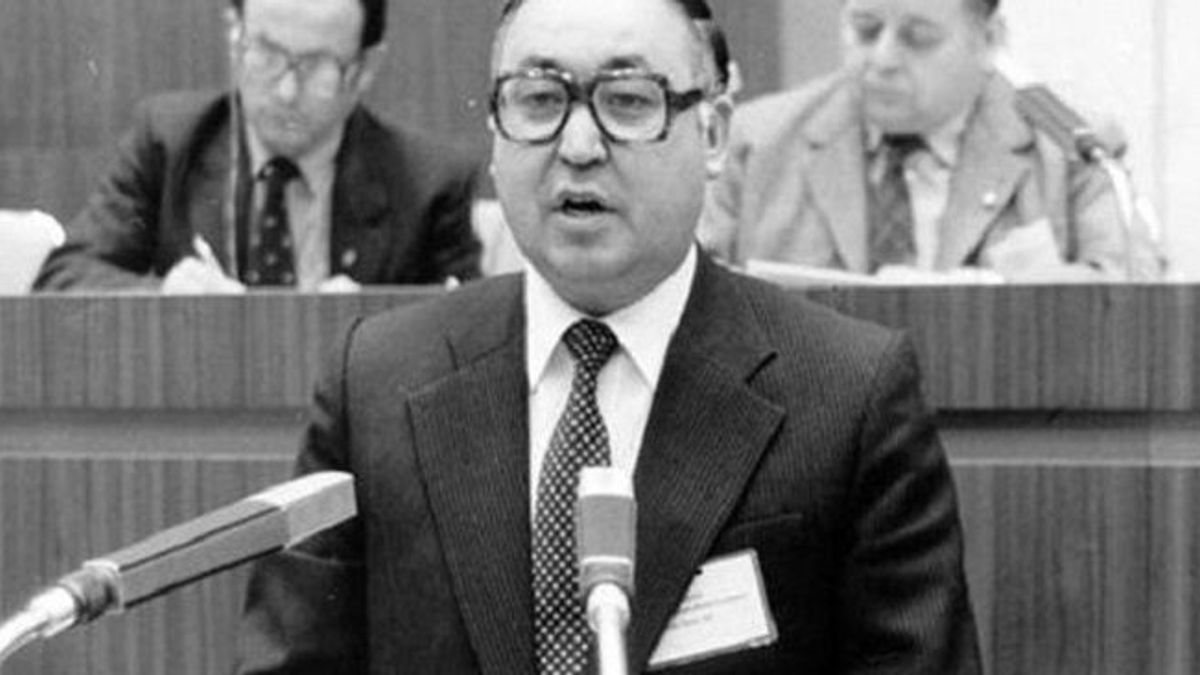
Sultan Ali Keshtmand's Career as Afghan Prime Minister Under PDPA Governments
Sultan Ali Keshtmand, born in spring 1935 in Chahar Deh, Kabul, to Najaf Ali, graduated in economics from Kabul University and worked in the Ministry of Mines and Industries.
He was elected a full member of the People's Democratic Party of Afghanistan (PDPA) Central Committee at its founding congress on January 1, 1343 (1964). Following the PDPA split, he aligned with the Parcham faction. After the Saur Revolution on April 27, 1978, he was appointed minister of planning.
On August 23, 1978, Keshtmand was imprisoned and sentenced to execution, later reduced to 20 years. He was released on January 6, 1979. That same day, January 1, he became deputy prime minister and minister of planning under Babrak Karmal. On June 10, 1981, he was appointed prime minister, serving about eight years.
With the National Reconciliation policy, Mohammad Hassan Sharq replaced him, but after nine months, Keshtmand returned as prime minister on February 20, 1989, for 16 months until Fazal Haq Khaliquyar took over. He then served five months as first deputy president before dismissal in September 1990 amid strained relations with President Najibullah.
Keshtmand resigned from the Homeland Party and its Central Executive Committee on July 16, 1991, and moved to London by year's end.
A prominent figure in the Parcham faction, especially under Karmal, Keshtmand was seen as the party's second-in-command. After Karmal's removal in 1986, many expected Keshtmand to succeed him, but Najibullah was selected instead.
During his nearly ten years as prime minister, Keshtmand was noted for his economic expertise, political acumen, and managerial skills amid Soviet occupation, ongoing wars, and internal pressures.
Know more about this story?
If you have additional information or believe something is inaccurate, let us know. Your tips help us stay accurate.
Sources (1)
More in Politics
Jamiat Ulema-e-Islam Pakistan Leader Criticizes Islamabad's Foreign Policy for Alienating Regional Partners
Analyst Mohammad Hashem Alkozi Affirms Public Support for Defense and Security Forces
Sultan Ali Keshtmand, Afghanistan's First Hazara Prime Minister, Dies in London at 91
Durand Line Not Sole Cause of Afghanistan-Pakistan Tensions
 Reliable
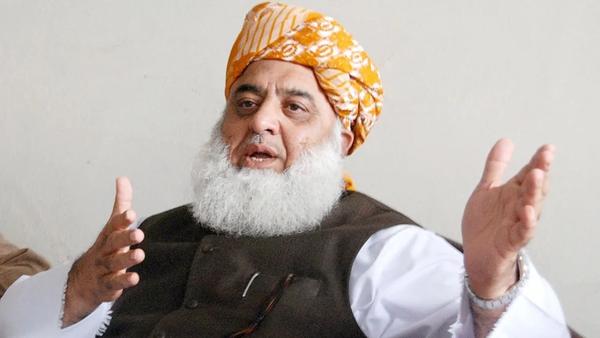
Jamiat Ulema-e-Islam Pakistan Leader Criticizes Islamabad's Foreign Policy for Alienating Regional Partners
Mawlana Fazl al-Rahman, leader of Jamiat Ulema-e-Islam Pakistan, criticized Pakistan's foreign policy for straining ties with Afghanistan, Iran and China, including halting CPEC projects due to mistrust. He called for respectful diplomacy and dismissed Islamabad's accusations against Kabul as political.
 Reliable
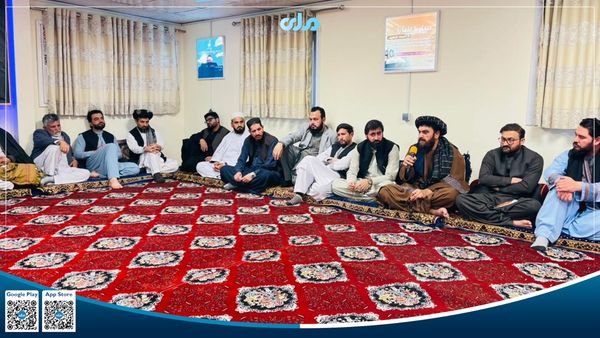
Analyst Mohammad Hashem Alkozi Affirms Public Support for Defense and Security Forces
Political analyst Mohammad Hashem Alkozi declared at an RTA coordination meeting that all Afghans support the defense and security forces, urging saboteurs abroad to avoid treason and pledging readiness to fight on the Islamic Emirate's command.
 Reliable
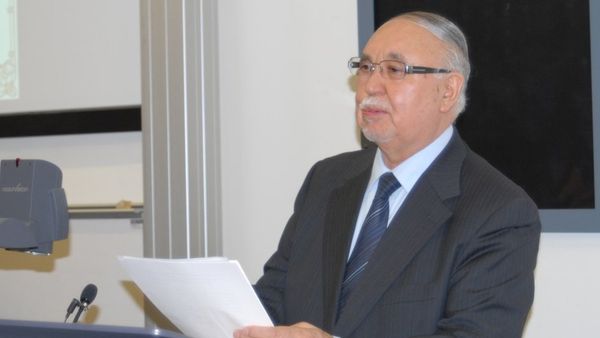
Sultan Ali Keshtmand, Afghanistan's First Hazara Prime Minister, Dies in London at 91
Sultan Ali Keshtmand, Afghanistan's first Hazara prime minister under the PDPA government, died in London on 22 Hoot 1404 at age 91. A failed assassination attempt during Dr. Najibullah's rule led to his lifelong exile.
 Developing
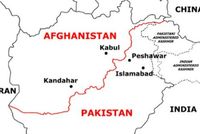
Durand Line Not Sole Cause of Afghanistan-Pakistan Tensions
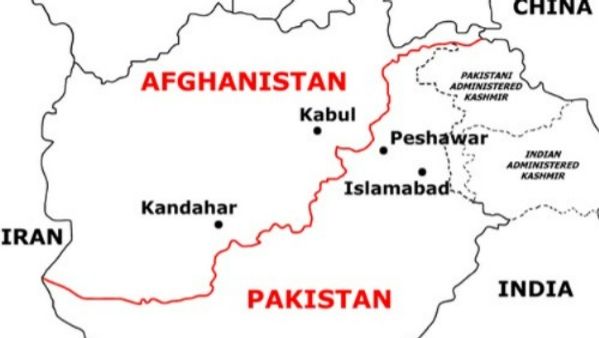
Relations between Afghanistan and Pakistan involve more than the disputed Durand Line, encompassing security concerns, geopolitical rivalries with India, transit routes and economic ties, according to an analysis.