

Durand Line Not Sole Cause of Afghanistan-Pakistan Tensions
Relations between Afghanistan and Pakistan have been marked by distrust and tension since Pakistan's establishment in 1947. While many analyses identify the Durand Line as the primary factor, a review of historical and geopolitical dynamics reveals a broader set of issues, including historical, security, geopolitical and economic elements.
The Durand Line originated in the late 19th century amid the 'Great Game' rivalry between the British Empire and Tsarist Russia. In 1893, an agreement was signed between Afghan Amir Abdur Rahman Khan and Mortimer Durand, representative of British India, delineating an administrative border between Afghanistan and British India. After Pakistan's independence in 1947, it adopted the line as its international border with Afghanistan. Afghan governments have consistently viewed it as a product of colonial pressures and refused to recognize it officially, making it a persistent point of contention.
However, tensions extend beyond the border issue. Pakistan's security concerns, stemming from its rivalry with India since independence, have positioned Afghanistan as strategically vital. Pakistani strategists, particularly since the 1980s, have regarded Afghanistan through the lens of 'strategic depth,' seeking a friendly government in Kabul to counter potential encirclement by India. Islamabad has remained sensitive to Indian influence in Afghanistan and sought to play a significant role in its political and security developments.
Afghanistan has served as a proxy arena for Pakistan-India competition. In the 1990s, when the Taliban rose to power, Pakistan was a key supporter and recognized the group, while India maintained close ties with anti-Taliban forces, particularly the Northern Alliance. Post-2001, the country became a field of political and economic rivalry between the two powers.
Afghanistan's geopolitical position at the crossroads of South Asia, Central Asia and the Middle East enhances its importance to Pakistan, offering access to Central Asian markets, energy transit routes and regional connectivity projects. Economically, Afghanistan represents a major market for Pakistani goods, with significant imports meeting consumer needs. Afghanistan's natural resources and agricultural potential also hold future regional significance.
In summary, while the Durand Line is a key factor, Pakistan's security considerations, regional rivalries especially with India, Afghanistan's geopolitical role and economic interests all contribute to the ongoing tensions.
Know more about this story?
If you have additional information or believe something is inaccurate, let us know. Your tips help us stay accurate.
Sources (1)
More in Politics

Sultan Ali Keshtmand, Afghanistan's First Hazara Prime Minister, Dies in London at 91

Ahmad Massoud says Taliban have sacrificed Afghanistan to geopolitical and security games
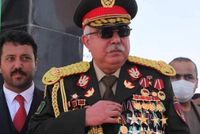
Opposition leaders warn Taliban rule will not continue during Mazari anniversary event

UNAMA Acting Head: Political Engagement Continues Through Doha Process
 Reliable
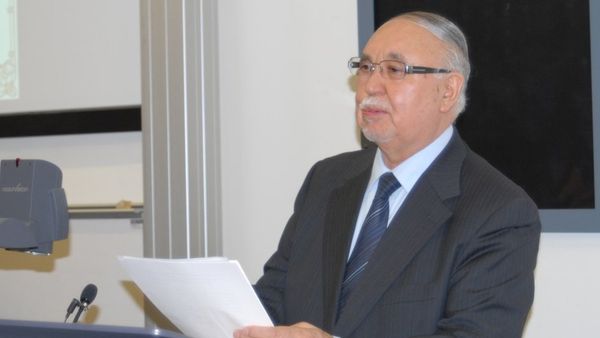
Sultan Ali Keshtmand, Afghanistan's First Hazara Prime Minister, Dies in London at 91
Sultan Ali Keshtmand, Afghanistan's first Hazara prime minister under the PDPA government, died in London on 22 Hoot 1404 at age 91. A failed assassination attempt during Dr. Najibullah's rule led to his lifelong exile.
 Reliable
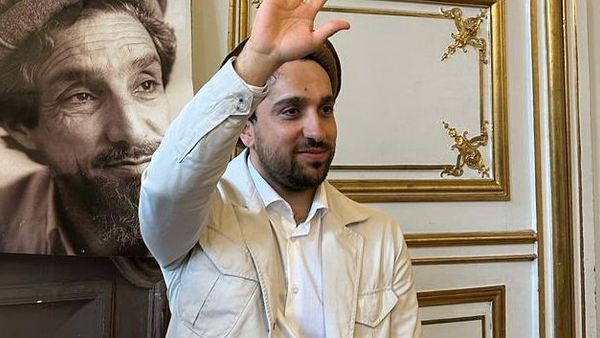
Ahmad Massoud says Taliban have sacrificed Afghanistan to geopolitical and security games
Ahmad Massoud accused the Taliban of provoking Pakistani attacks by harboring terrorists and turning Afghanistan into a geopolitical battleground, urging unified action for the country's freedom by its people.
 Reliable
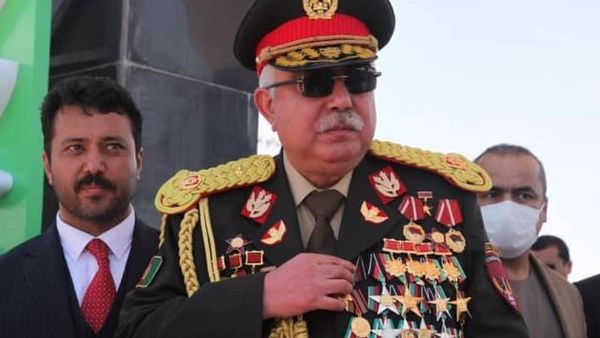
Opposition leaders warn Taliban rule will not continue during Mazari anniversary event
Afghan opposition leaders including Abdul Rashid Dostum, Sarwar Danish and Ahmad Massoud criticized the Taliban during a virtual commemoration of Abdul Ali Mazari's 31st death anniversary, warning their rule will end and calling for unity and resistance.
 Reliable
UNAMA Acting Head: Political Engagement Continues Through Doha Process
Jorjit Ganiyon, acting UNAMA head, affirmed that political engagement with Afghanistan persists via the Doha process, the sole multilateral forum for addressing concerns of Afghans, the international community, and the Islamic Emirate. She criticized Islamic Emirate restrictions on women, highlighted UN aid efforts despite bans, and warned of regional crises exacerbating economic pressures and Afghanistan-Pakistan clashes disrupting humanitarian work.