
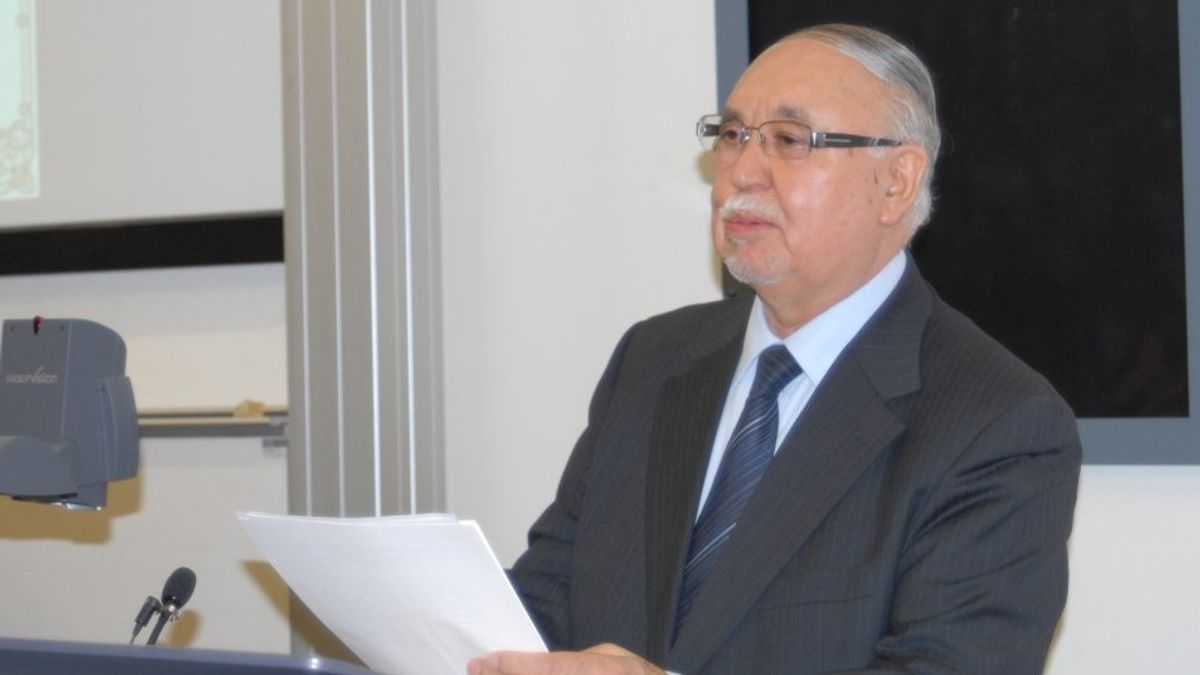
Sultan Ali Keshtmand, Afghanistan's First Hazara Prime Minister, Dies in London at 91
Sultan Ali Keshtmand, Afghanistan's first Hazara prime minister and a prominent figure in the Parcham faction of the People's Democratic Party of Afghanistan, died in London on 22 Hoot 1404 at the age of 91.
Born in spring 1935 in Kabul's Chahar Dehi area to a working-class family, Keshtmand studied economics at Kabul University. He was elected a full member of the PDPA Central Committee at its founding congress on 11 Jadi 1343 and later joined the Parcham faction after the party's split into Khalq and Parcham groups.
Keshtmand was imprisoned on 1 Sonbula 1357 and released following the events of 6 Jadi 1358. Under Babrak Karmal's government, he served as deputy prime minister and minister of planning before becoming prime minister in 1360, a position he held for about 10 years until his removal in the final years of Dr. Najibullah's rule.
Syed Mohammad Yunus Najfizadeh, a former commander of the Wardak and Ghazni Corps and a close associate of Keshtmand, said the prime minister's rise reflected the PDPA's ideological emphasis on elevating deprived classes to power. Najfizadeh described Keshtmand as an educated economist and representative of the working class who advocated for social justice, freedom, peace and democracy, while working to improve the position of marginalized ethnic groups.
During his tenure, Najfizadeh said Keshtmand managed the economy amid wartime conditions, preventing famine and food crises through strategic reserves of petroleum products, food and military equipment in central and provincial warehouses. Thousands of Afghan students were also sent abroad for studies under his leadership.
As a Hazara in a society marked by ethnic discrimination, Keshtmand's premiership marked a turning point, according to Najfizadeh. A failed assassination attempt in the final years of Dr. Najibullah's government forced Keshtmand into lifelong exile, preventing his return to Afghanistan.
Know more about this story?
If you have additional information or believe something is inaccurate, let us know. Your tips help us stay accurate.
Sources (1)
More in Politics
Durand Line Not Sole Cause of Afghanistan-Pakistan Tensions
Ahmad Massoud says Taliban have sacrificed Afghanistan to geopolitical and security games
Opposition leaders warn Taliban rule will not continue during Mazari anniversary event
UNAMA Acting Head: Political Engagement Continues Through Doha Process
 Developing
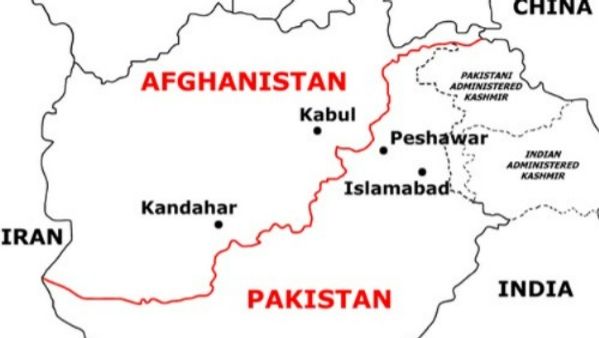
Durand Line Not Sole Cause of Afghanistan-Pakistan Tensions
Relations between Afghanistan and Pakistan involve more than the disputed Durand Line, encompassing security concerns, geopolitical rivalries with India, transit routes and economic ties, according to an analysis.
 Reliable
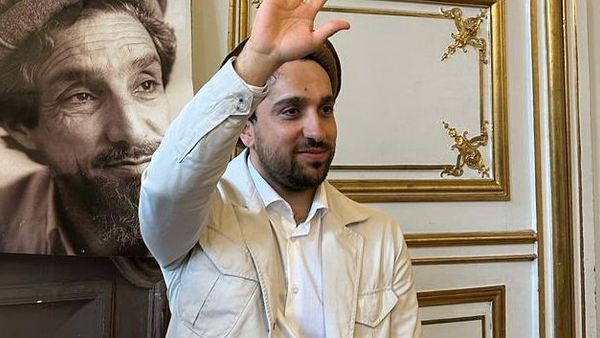
Ahmad Massoud says Taliban have sacrificed Afghanistan to geopolitical and security games
Ahmad Massoud accused the Taliban of provoking Pakistani attacks by harboring terrorists and turning Afghanistan into a geopolitical battleground, urging unified action for the country's freedom by its people.
 Reliable
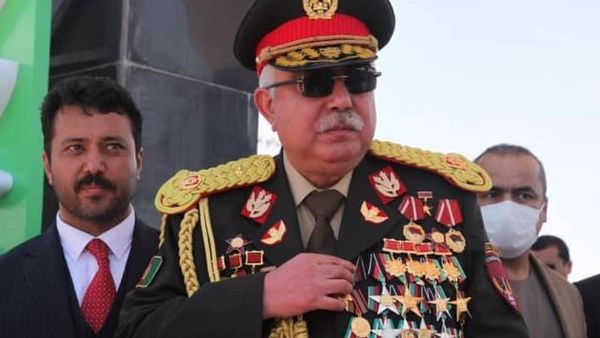
Opposition leaders warn Taliban rule will not continue during Mazari anniversary event
Afghan opposition leaders including Abdul Rashid Dostum, Sarwar Danish and Ahmad Massoud criticized the Taliban during a virtual commemoration of Abdul Ali Mazari's 31st death anniversary, warning their rule will end and calling for unity and resistance.
 Reliable
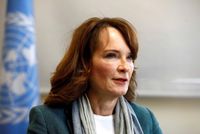
UNAMA Acting Head: Political Engagement Continues Through Doha Process
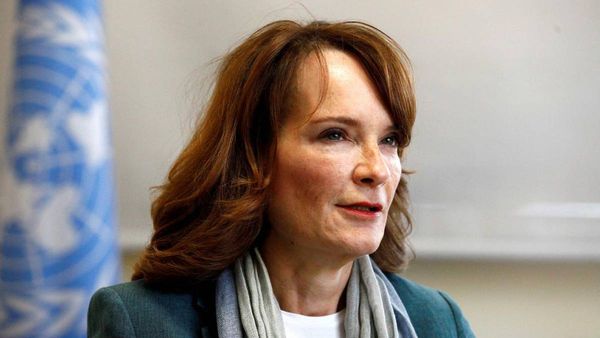
Jorjit Ganiyon, acting UNAMA head, affirmed that political engagement with Afghanistan persists via the Doha process, the sole multilateral forum for addressing concerns of Afghans, the international community, and the Islamic Emirate. She criticized Islamic Emirate restrictions on women, highlighted UN aid efforts despite bans, and warned of regional crises exacerbating economic pressures and Afghanistan-Pakistan clashes disrupting humanitarian work.