
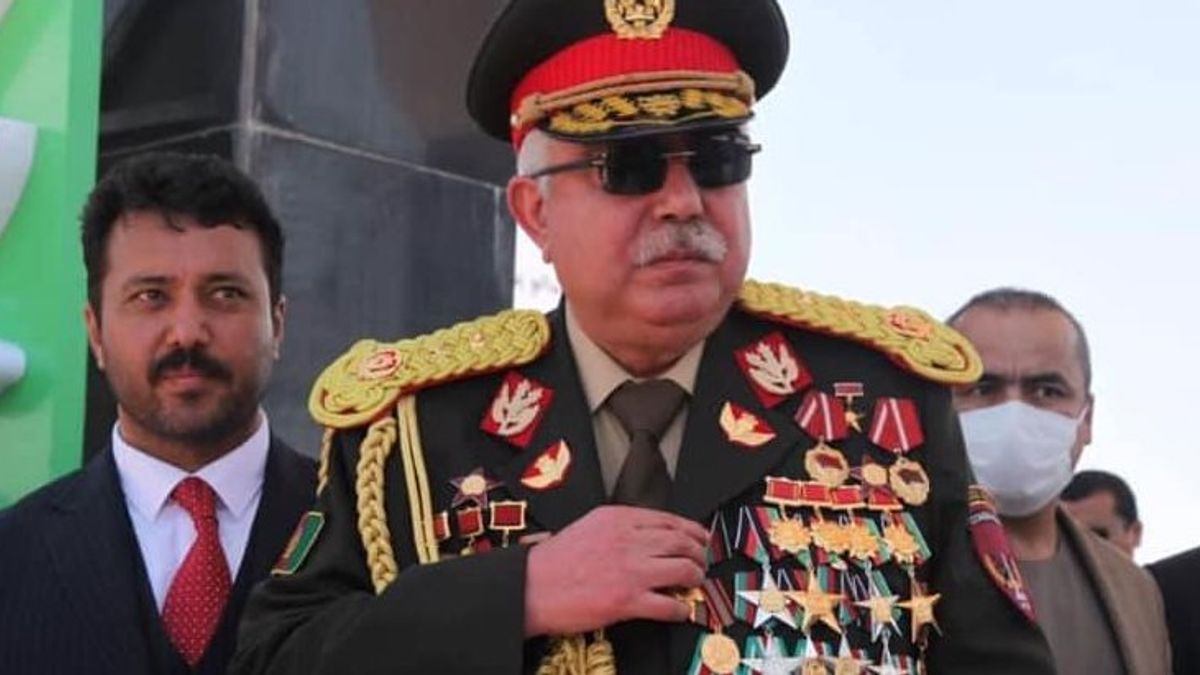
Opposition leaders warn Taliban rule will not continue during Mazari anniversary event
Marshal Abdul Rashid Dostum, leader of the Islamic National Movement of Afghanistan, warned on Friday that the "medieval" rule of the Taliban will not continue in this form. He emphasized that resistance against the Taliban continues in various ways.
Dostum made the statement in a message marking the 31st anniversary of the killing of Abdul Ali Mazari, the late leader of the Wahdat Islamic Party. He described the U.S. and Israeli attacks on Iran as an "aggression" and condemned them.
The Supreme National Resistance Council for Saving Afghanistan held a virtual meeting on Friday to commemorate the anniversary. Attendees included political figures and former government officials such as Mohammad Mohaqeq, Ahmad Massoud and Sarwar Danish.
Sarwar Danish, former vice president, spoke about Mazari's character, ideas and methods, as well as Afghanistan's current situation. He referenced border clashes between the Taliban and Pakistan, stating that the Taliban are unable to ensure peace and stability, and their actions have caused tensions with neighbors and civilian casualties.
Danish called on the Taliban to immediately stop supporting terrorist groups and to foster good relations with regional countries. He argued that any engagement with or recognition of the Taliban lacks legal legitimacy. Referencing Mazari's views on federal governance, Danish stressed the rights of all ethnic groups and said the Taliban lack legitimacy and connection to the Afghan people's will.
Ahmad Massoud, participating virtually, accused the Taliban of sheltering groups like al-Qaida, Tehrik-e-Taliban Pakistan, Jaish al-Adl, Ansarallah and others, turning Afghanistan into a playground for security and geopolitical games. He said the Taliban's attempts to mobilize people against Pakistani attacks cannot succeed without domestic and international legitimacy.
Massoud warned against any "deals" or "interventions," insisting that freedom must come from the Afghan people themselves. He urged political leaders to seize the opportunity for Afghanistan's liberation through coordinated action. He also expressed concern over Middle East conflicts worsening Afghanistan's economy, with rising prices for essentials leaving people in despair.
More in Politics
Ahmad Massoud says Taliban have sacrificed Afghanistan to geopolitical and security games
UNAMA Acting Head: Political Engagement Continues Through Doha Process
Former Afghan Prime Minister Sultan Ali Keshtmand Dies in London
Administrative Commission Meeting Held Under Chairmanship of Islamic Emirate Deputy Prime Minister for Administrative Affairs
 Reliable
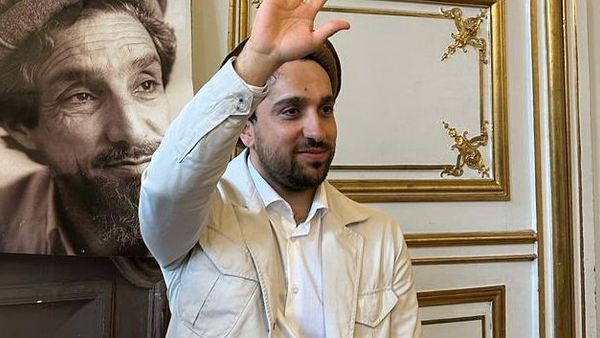
Ahmad Massoud says Taliban have sacrificed Afghanistan to geopolitical and security games
Ahmad Massoud accused the Taliban of provoking Pakistani attacks by harboring terrorists and turning Afghanistan into a geopolitical battleground, urging unified action for the country's freedom by its people.
 Reliable
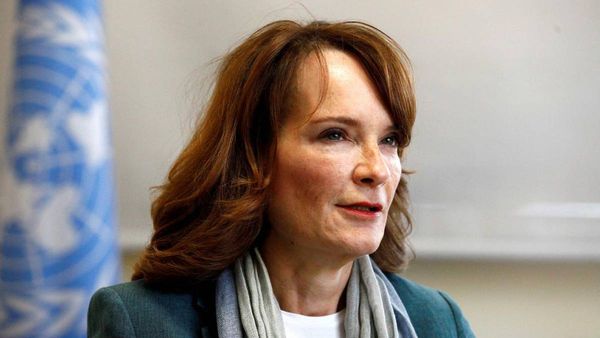
UNAMA Acting Head: Political Engagement Continues Through Doha Process
Jorjit Ganiyon, acting UNAMA head, affirmed that political engagement with Afghanistan persists via the Doha process, the sole multilateral forum for addressing concerns of Afghans, the international community, and the Islamic Emirate. She criticized Islamic Emirate restrictions on women, highlighted UN aid efforts despite bans, and warned of regional crises exacerbating economic pressures and Afghanistan-Pakistan clashes disrupting humanitarian work.
 Reliable
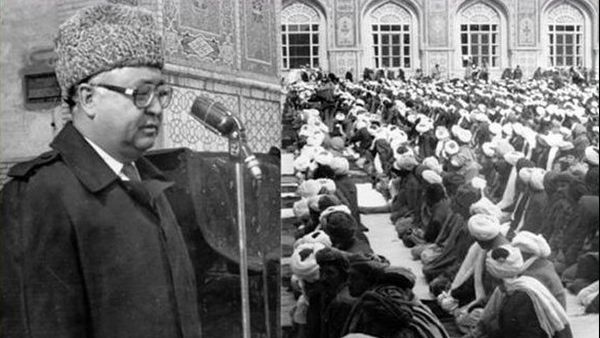
Former Afghan Prime Minister Sultan Ali Keshtmand Dies in London
Former Afghan Prime Minister Sultan Ali Keshtmand, who served during the 1980s under Soviet-backed governments and was the first Hazara to hold the position, died in London on March 13, as confirmed by his family.
 Reliable
Administrative Commission Meeting Held Under Chairmanship of Islamic Emirate Deputy Prime Minister for Administrative Affairs
The Administrative Commission of the Islamic Emirate of Afghanistan met under Mawlawi Abdul Salam Hanafi, reviewing committee reports and discussing issues in urban development, housing, and education ministries.