
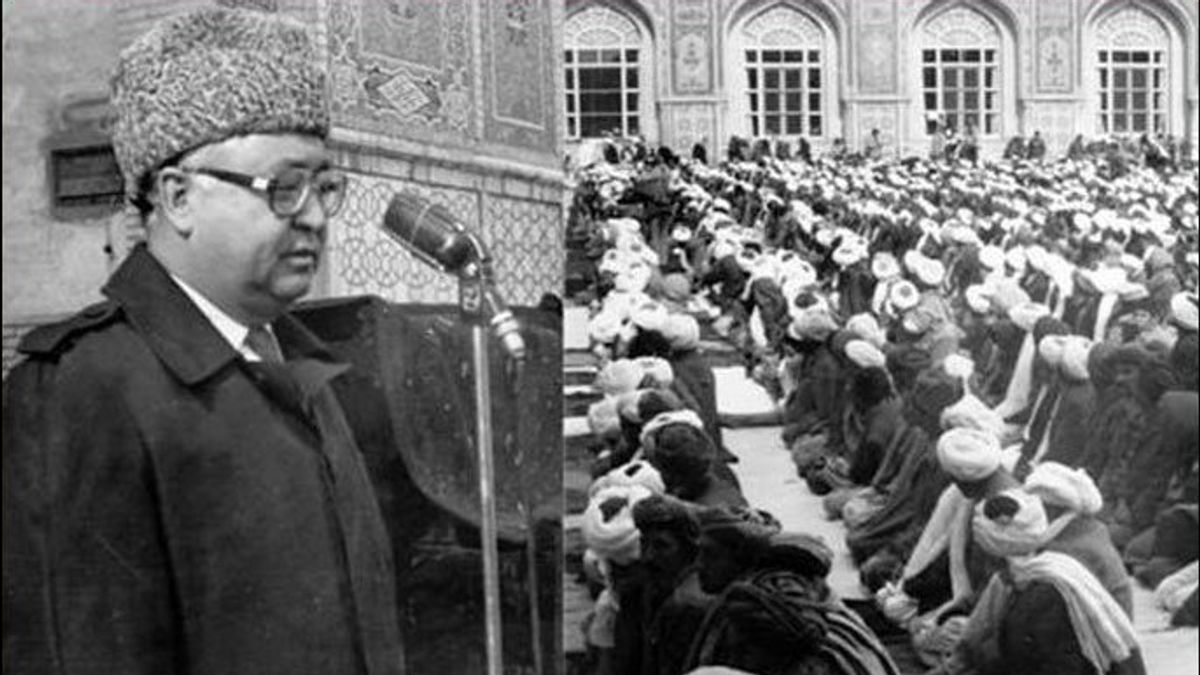
Former Afghan Prime Minister Sultan Ali Keshtmand Dies in London
Former Afghanistan Prime Minister Sultan Ali Keshtmand died in London on Friday, March 13, according to a statement confirmed by his brother on the family’s official Facebook page.
Keshtmand served as prime minister from June 11, 1981, to May 26, 1988, during the presidency of Babrak Karmal. He returned to the position from February 21, 1989, to May 8, 1990, under the government of Mohammad Najibullah. He also served as minister of planning and represented Kabul in parliament.
Born in spring 1935 in Kabul’s Chahardahi area to a farming family, Keshtmand adopted the pen name “Keshtmand,” meaning farmer, reflecting his rural roots.
After the collapse of Najibullah’s government in 1992, Keshtmand left Afghanistan, first moving to Russia before settling in the United Kingdom, where he lived in London until his death.
His career spanned the turbulent Soviet-backed governments following the Saur Revolution, a period of intense internal conflict and international involvement. As the first member of Afghanistan’s Hazara community to become prime minister, Keshtmand held a prominent role in the country’s political leadership during the 1980s and remains a significant figure for the Hazara community and in discussions among historians and political observers.
More in Politics
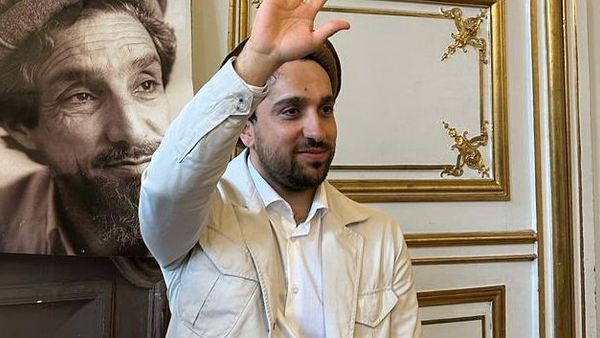
Ahmad Massoud says Taliban have sacrificed Afghanistan to geopolitical and security games
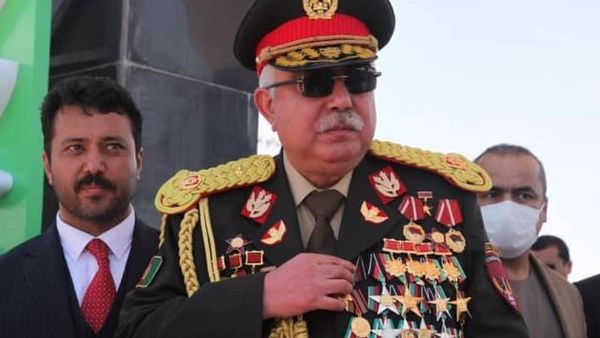
Opposition leaders warn Taliban rule will not continue during Mazari anniversary event
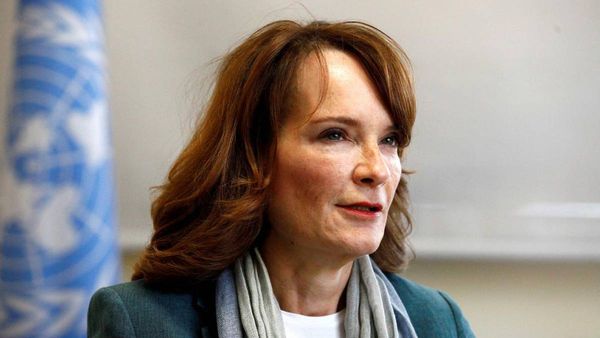
UNAMA Acting Head: Political Engagement Continues Through Doha Process
Administrative Commission Meeting Held Under Chairmanship of Islamic Emirate Deputy Prime Minister for Administrative Affairs
 Reliable
Ahmad Massoud says Taliban have sacrificed Afghanistan to geopolitical and security games
Ahmad Massoud accused the Taliban of provoking Pakistani attacks by harboring terrorists and turning Afghanistan into a geopolitical battleground, urging unified action for the country's freedom by its people.
 Reliable
Opposition leaders warn Taliban rule will not continue during Mazari anniversary event
Afghan opposition leaders including Abdul Rashid Dostum, Sarwar Danish and Ahmad Massoud criticized the Taliban during a virtual commemoration of Abdul Ali Mazari's 31st death anniversary, warning their rule will end and calling for unity and resistance.
 Reliable
UNAMA Acting Head: Political Engagement Continues Through Doha Process
Jorjit Ganiyon, acting UNAMA head, affirmed that political engagement with Afghanistan persists via the Doha process, the sole multilateral forum for addressing concerns of Afghans, the international community, and the Islamic Emirate. She criticized Islamic Emirate restrictions on women, highlighted UN aid efforts despite bans, and warned of regional crises exacerbating economic pressures and Afghanistan-Pakistan clashes disrupting humanitarian work.
 Reliable
Administrative Commission Meeting Held Under Chairmanship of Islamic Emirate Deputy Prime Minister for Administrative Affairs
The Administrative Commission of the Islamic Emirate of Afghanistan met under Mawlawi Abdul Salam Hanafi, reviewing committee reports and discussing issues in urban development, housing, and education ministries.