
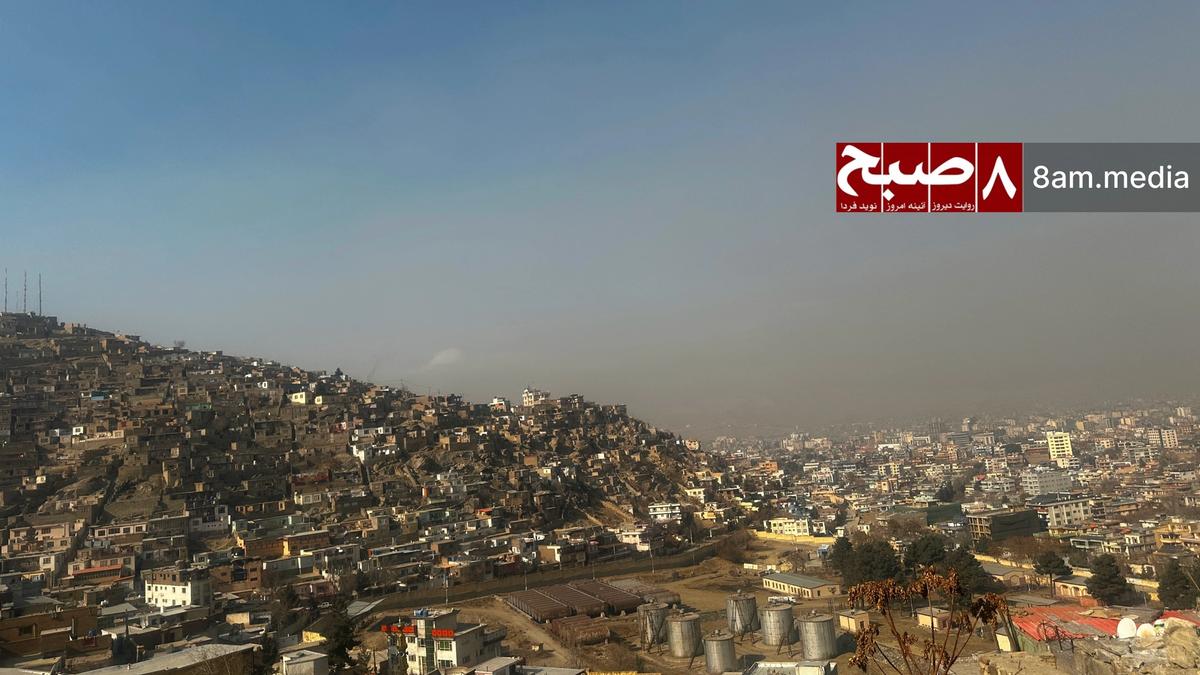
Hasht-e Subh Publishes Note on Changes in Kabul's Urban Culture
A note published by Hasht-e Subh describes walking through Kabul's streets as an encounter with years of social pressure, change, and fatigue. The author observes that the city, once defined by simple warm interactions such as greetings to passersby, adherence to queues, and phrases like 'thank you' or 'don't stay behind,' now shows signs of haste and disconnection. In queues for bread or at bus stops, lines dissolve quickly, eye contact is rare, and brief conversations are scarce.
Public appearances reflect economic and psychological strains, with disheveled clothing and tired faces indicating priorities shifted toward basic needs over neatness or grooming. The hurried gait and downcast gazes of pedestrians signal underlying pressures on collective morale.
Children and adolescents, instead of attending school, work at intersections or wander streets, missing opportunities for social values and cooperation. This deprivation affects not just individuals but the city's future cultural fabric.
Women face restrictions on social presence and participation, leading to cautious engagement in daily activities. Their reduced visibility in public spaces like bookstores, universities, and cultural gatherings diminishes urban cultural dynamism.
Cultural and artistic spaces have declined, with fewer poetry readings, music events, exhibitions, or public gatherings. Walls once adorned with cultural posters now stand silent, eroding senses of belonging and social cohesion.
Urban environments show littering, disregard for traffic rules, and waning collective responsibility for public spaces, turning disorder into habit as individual-city disconnect grows.
Despite challenges, the author notes signs of resilience: occasional smiles, neighborly help, or individual efforts to clean alleys, suggesting urban culture can be rebuilt from small acts.
More in Culture

Saudi Arabia Announces Wednesday as First Day of Ramadan
Islamic Emirate Officials Hold Meeting on Writing History of Soviet, US Occupations

Book and Quran Exhibition Opens in Kabul Ahead of Ramadan

Delawar Zada Turkmen Valley Wins Kabul Futsal League Championship
 Reliable
Saudi Arabia Announces Wednesday as First Day of Ramadan
Saudi Arabia declared Wednesday the first day of Ramadan following the sighting of the crescent moon, while the Taliban in Afghanistan has remained silent on the matter.
 Reliable
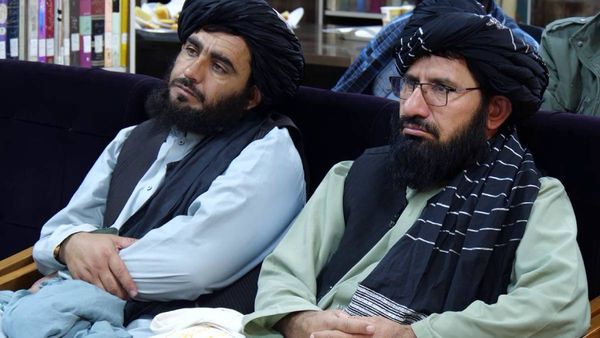
Islamic Emirate Officials Hold Meeting on Writing History of Soviet, US Occupations
Islamic Emirate officials met at Kabul Public Library to discuss documenting Afghanistan's history during Soviet and US occupations, highlighting struggles against military, intellectual, and economic influences. Speakers called for strengthening Islamic ideologies and fostering critical thinking among youth.
 Reliable
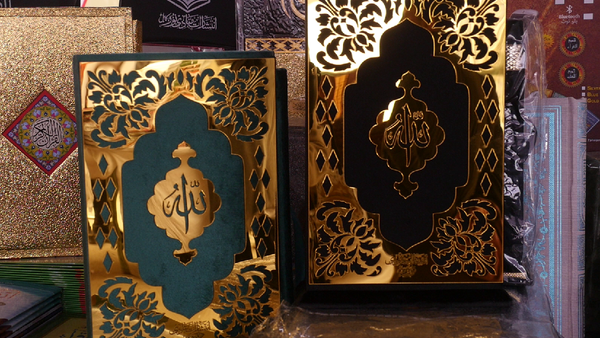
Book and Quran Exhibition Opens in Kabul Ahead of Ramadan
A book and Quran exhibition featuring over 70 publishers and 1,000 books opened in Kabul ahead of Ramadan, organized by Keteb Behaqi with the Ministry of Information and Culture.
 Reliable
Delawar Zada Turkmen Valley Wins Kabul Futsal League Championship
Delawar Zada Turkmen Valley won the Kabul Futsal League, qualifying for zonals alongside runners-up Shaghaig, while individual awards highlighted top performers. Afghanistan exited T20 World Cup qualifiers, Afghan refugees medaled in Pakistan taekwondo, and athletics federation faces selection controversy.