
Afghanistan Records 33% Increase in Rail Cargo Transfers Over 11 Months
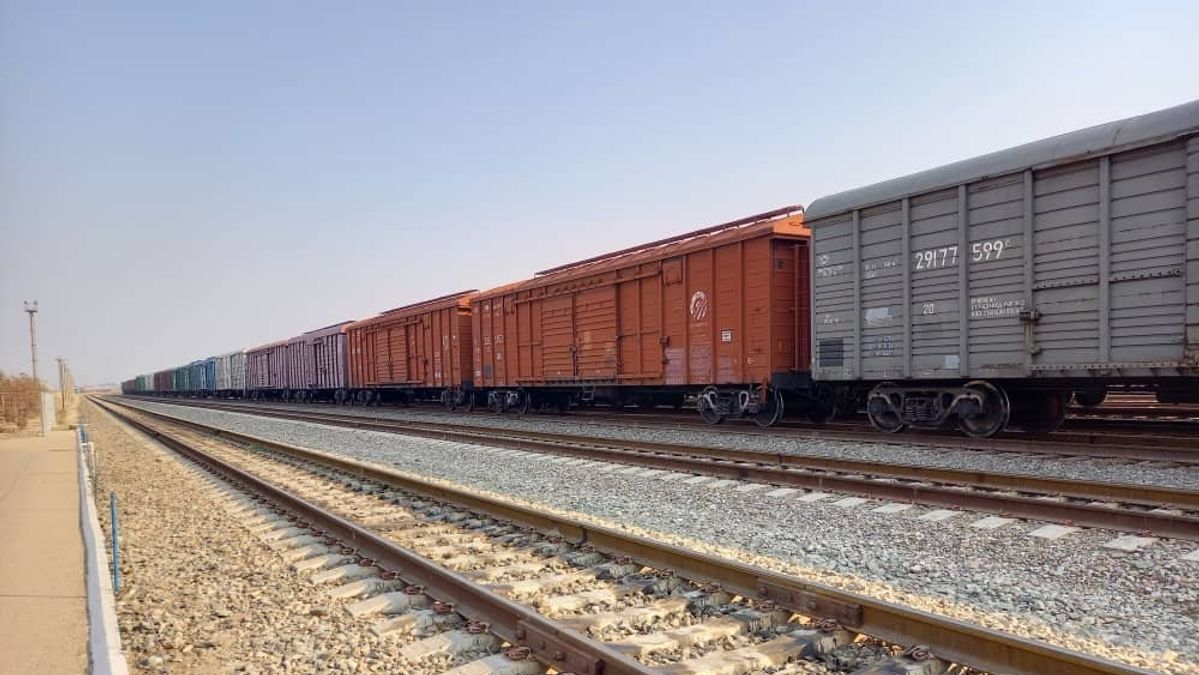
The Ministry of Public Works announced a more than 33% increase in goods transported via Afghanistan's rail lines over the first 11 months of the solar year 1404 compared to the same period in 1403.
Spokesperson Mohammad Ashraf Haqshenas stated that from the start of Hamal to the end of Dalu 1404, a total of over 5 million metric tons of cargo -- including petroleum products, non-petroleum goods, and other materials -- were transferred through the Hairatan, Aqina, Torghundi, and Khaf-Herat rail ports. RTA reported a precise figure of 5,387,549 metric tons for 1404, with breakdowns of 3.77 million tons via Hairatan, 401,074 tons via Aqina, 654,915 tons via Torghundi, and 561,026 tons via Khaf-Herat. It cited 404,855 metric tons for the same period in 1403, reflecting a 33.3% rise, though Ariana News referenced over 4 million tons in the prior year.
Haqshenas noted that among these transfers, approximately 71,000 metric tons of commercial goods were exported, including dried fruits, minerals, pomegranate juice, potatoes, rice, and soft drinks. Since Miizan 1400, over 20 million metric tons have been transported through these four ports, according to RTA.
Haqshenas emphasized that following the establishment of Islamic Emirate rule, key rail network strengthening and expansion projects have been initiated, with some completed and others ongoing.
Ariana News also reported Iranian officials stating that rail exchanges between Iran and Afghanistan increased 17-fold this year, with 650,000 tons transferred from Hamal to the 5th of Hoot, including 150,000 tons in transit. Separately, Nooruddin Azizi, Minister of Industry and Commerce of the Islamic Emirate of Afghanistan, met Uzbek Deputy Prime Minister Jamshed Khodjaev in Termez to discuss enhancing bilateral trade, transit, and economic cooperation.
More in Economy
Afghan Chamber of Commerce: Trade and Transit with Iran Disrupted
Iran Reports 17-Fold Increase in Rail Shipments to Afghanistan
Rural Rehabilitation Minister: Projects Implemented in Remote Areas Where Needed

Inter-Ministerial Investment Committee Approves Commercial Market Plan in Sar-e Pol Center
 Reliable
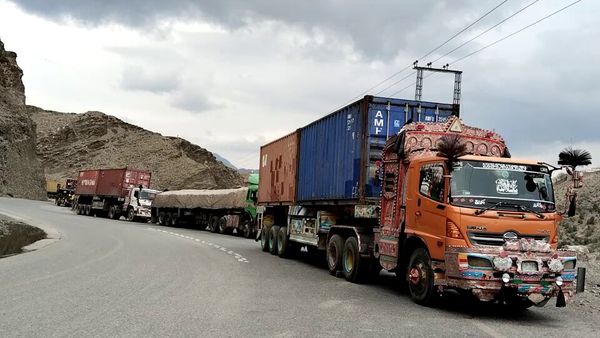
Afghan Chamber of Commerce: Trade and Transit with Iran Disrupted
Afghanistan's trade routes via Iran's Chabahar port are disrupted amid conflicts, exacerbating economic woes after months of closed Pakistan borders, with rising food and medicine prices reported.
 Reliable
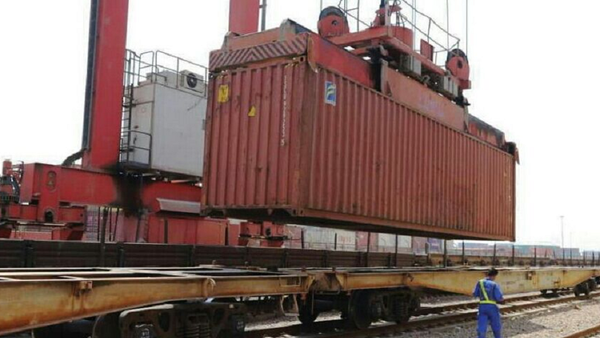
Iran Reports 17-Fold Increase in Rail Shipments to Afghanistan
Iran reports a 17-fold surge in rail shipments to Afghanistan, with goals for further increases, while Uzbekistan aims for $5 billion in bilateral trade and Pakistan resumes transit cargo movements to its ports.
 Reliable
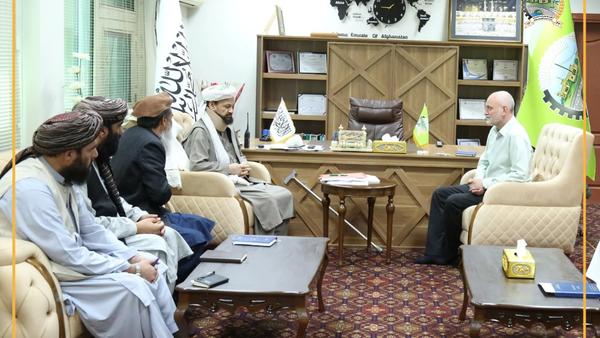
Rural Rehabilitation Minister: Projects Implemented in Remote Areas Where Needed
Afghanistan's Rural Rehabilitation and Development Minister Mullah Abdul Latif Mansour met with Dakar Institute head Peter Torning, stressing projects in remote areas and crediting security for nationwide implementation.
 Reliable
Inter-Ministerial Investment Committee Approves Commercial Market Plan in Sar-e Pol Center
Afghanistan's inter-ministerial investment committee approved a plan for a commercial market in Sar-e Pol province center and discussed private sector proposals for public facilities in Kabul. A follow-up committee will negotiate details and report back.