
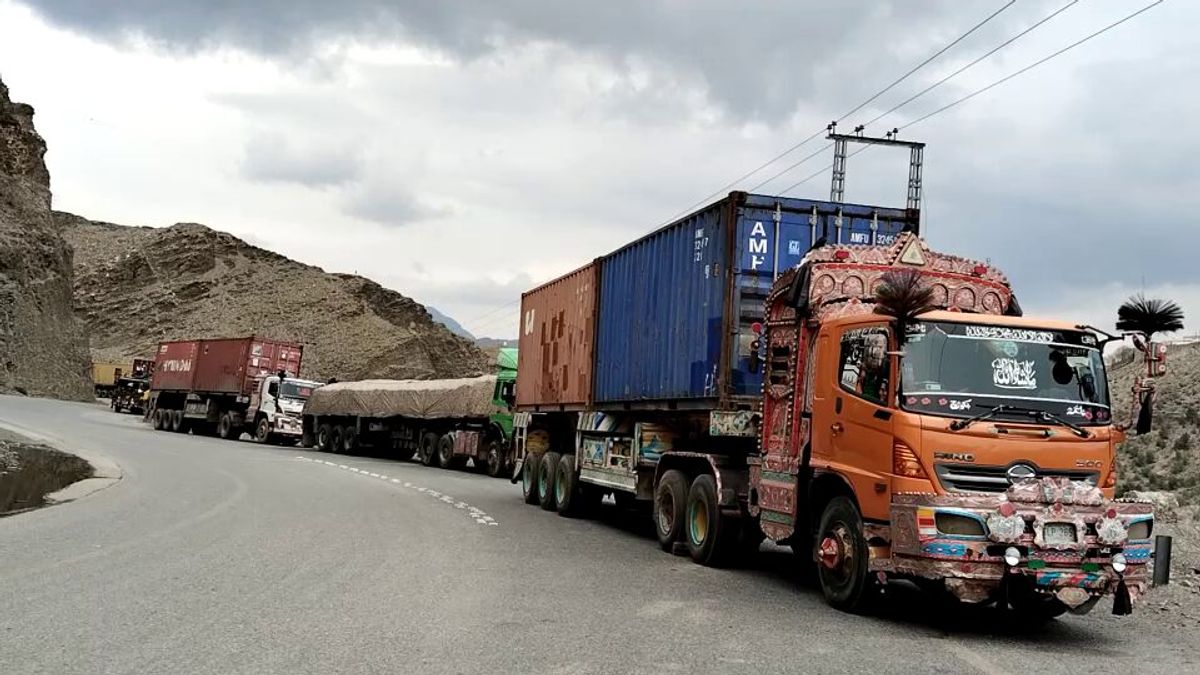
Afghan Chamber of Commerce: Trade and Transit with Iran Disrupted
The Afghan Chamber of Commerce states that trade and transit with Iran have been disrupted amid ongoing conflicts there, following months of closed economic crossings with Pakistan due to tensions between the Taliban and the Pakistani government.
Chamber officials note that with the Karachi and Gwadar ports closed to Afghan transit and commercial goods, Chabahar had served as a viable alternative, but now Afghan goods are stuck there due to severe disruptions. Annual trade volume through these routes exceeded $3 billion, primarily imports of construction materials and fuels such as gas.
Khanjan Alkuzi, a member of the Chamber's leadership board, said: "Our ships are in Chabahar port. There is heavy congestion. Loading is not happening. It's stopped. There are problems. We hope it resolves soon."
Residents express concerns over rising food prices. Local sources report recent increases, with current market prices in the country at 4,000 to 4,400 afghanis for 3.5 sir of rice, 1,550 afghanis for a bag of flour, and 1,850 to 1,900 afghanis for a pack of oil.
One Kabul resident said: "I had land in the homeland, sold it to buy this car, but there's no business. We haven't earned a single afghani yet." Another added: "We earn 200 to 300 afghanis daily. We put 80 to 90 afghanis toward installments for flour and other food items. The rest we use to buy vegetables. We buy whatever is cheapest."
Informed sources emphasize that the Taliban's incorrect policies have placed the population in this difficult economic situation. Economic experts warn that losing access to multiple trade crossings severely damages the economy.
University professor Syed Masoud said: "We lost Karachi. We lost Gwadar due to Pakistan's policies. We relied on Chabahar. This Chabahar is an Indian project that could serve Central Asia and Eastern Europe via Indians. Indians suffered losses, and we suffered much greater losses. With Chabahar closed, our route to open waters is also closed."
Additionally, after the Taliban halted drug imports from Pakistan, medicine prices have risen. Sources in Herat told Amu TV that dozens of patients needing kidney dialysis are in critical condition, waiting for days due to shortages of dialysis materials.
More in Economy
Afghanistan Records 33% Increase in Rail Cargo Transfers Over 11 Months
Iran Reports 17-Fold Increase in Rail Shipments to Afghanistan
Rural Rehabilitation Minister: Projects Implemented in Remote Areas Where Needed

Inter-Ministerial Investment Committee Approves Commercial Market Plan in Sar-e Pol Center
 Reliable
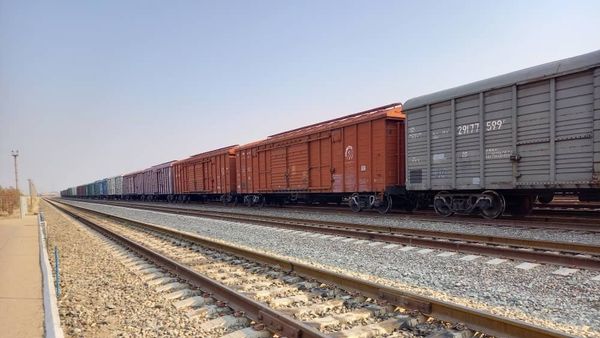
Afghanistan Records 33% Increase in Rail Cargo Transfers Over 11 Months
Afghanistan's rail cargo transfers rose over 33% to more than 5 million metric tons in the first 11 months of solar year 1404, according to Ministry of Public Works spokesperson Mohammad Ashraf Haqshenas. The increase spans key border ports and includes exports and transit goods.
 Reliable
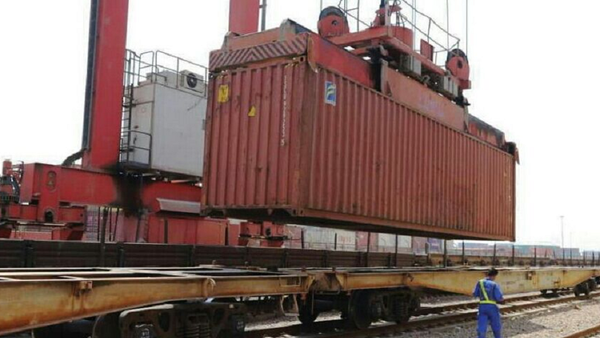
Iran Reports 17-Fold Increase in Rail Shipments to Afghanistan
Iran reports a 17-fold surge in rail shipments to Afghanistan, with goals for further increases, while Uzbekistan aims for $5 billion in bilateral trade and Pakistan resumes transit cargo movements to its ports.
 Reliable
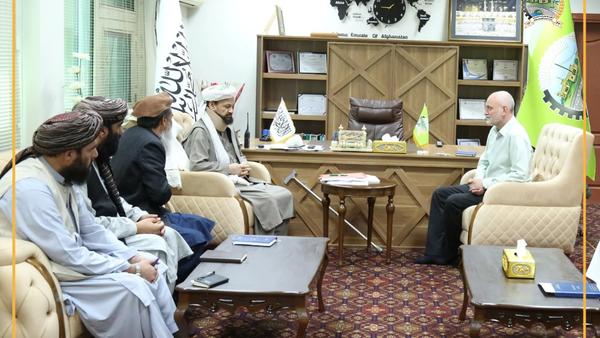
Rural Rehabilitation Minister: Projects Implemented in Remote Areas Where Needed
Afghanistan's Rural Rehabilitation and Development Minister Mullah Abdul Latif Mansour met with Dakar Institute head Peter Torning, stressing projects in remote areas and crediting security for nationwide implementation.
 Reliable
Inter-Ministerial Investment Committee Approves Commercial Market Plan in Sar-e Pol Center
Afghanistan's inter-ministerial investment committee approved a plan for a commercial market in Sar-e Pol province center and discussed private sector proposals for public facilities in Kabul. A follow-up committee will negotiate details and report back.