
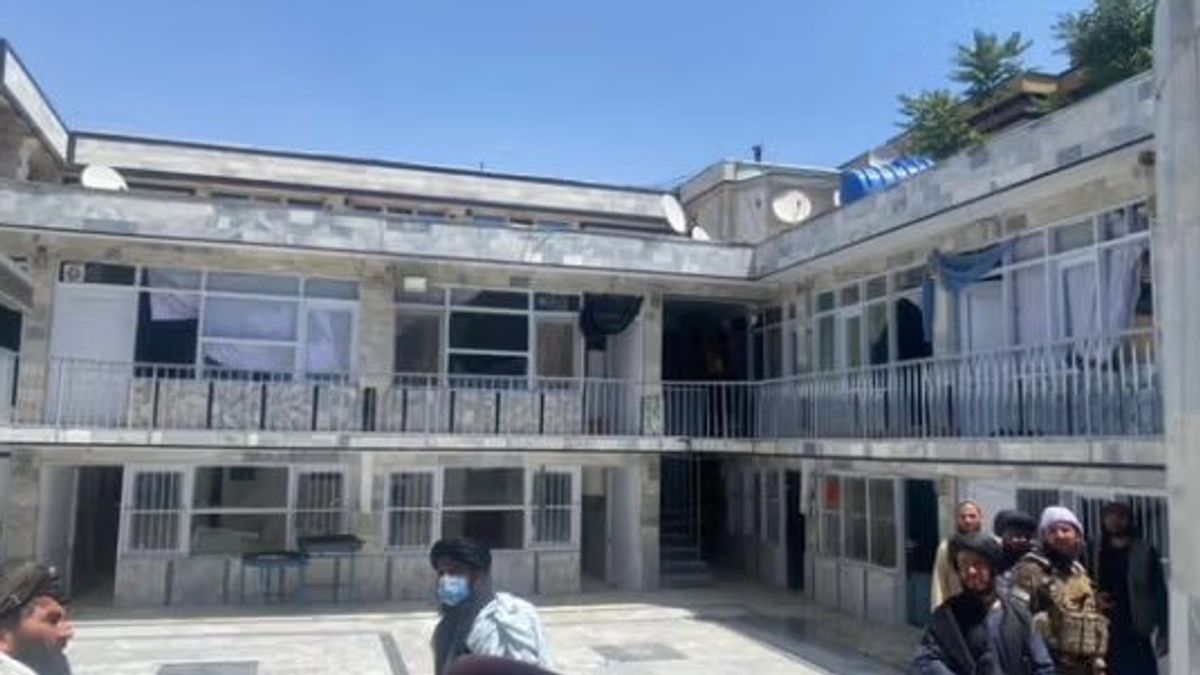
Afghan Hindus and Sikhs raise land usurpation concerns in meeting with Taliban official
Manjit Singh, president of the Council of Hindus and Sikhs of Afghanistan, met with Abdul Waseh, head of the Taliban prime minister's office, on Wednesday and raised issues including the resolution of usurped lands, issuance of Unani medicine licenses, and the status of their place of worship in Kabul's Shor Bazar area, which lies in the path of a road construction project, according to a Taliban statement. Waseh committed to addressing these demands.
The Taliban Ministry of Justice announced in 1402 (2023-2024) that it had begun reviewing usurped lands belonging to Hindus across Afghanistan, but no updates on results or progress have been reported after two years.
Munising Corona, a Kabul resident, told Radio Azadi that his shop, purchased in 1394 (2015) and rented out, remains occupied by the tenant despite his possession of documents. He said the tenant has held it forcibly both during the previous republic and currently, and his efforts to reclaim it have failed.
The issue of land usurpation affecting this religious minority is long-standing, with members stating their properties in various provinces have been seized by powerful figures and ordinary individuals over decades.
Historical reports indicate the Hindu and Sikh population in Afghanistan numbered around 700,000 in the 1970s but fell to about 220,000 by 1992 due to wars, discrimination, and migration. Manjit Singh Lambi, head of the Hindu Council in Afghanistan, stated in 3 Hoot 1404 (February 2025) that only 15 Hindu and Sikh families now remain in the country.
Following a deadly 2022 terrorist attack on a Sikh place of worship in Kabul's 4th district, India announced prioritization of emergency visas for Afghan Sikhs and Hindus.
Previously, Taliban Foreign Minister Amir Khan Muttaqi told Afghan Hindu and Sikh representatives during a visit to New Delhi that the Taliban would guarantee security for religious minorities and reconstruct their worship sites.
More in Society
Bayat Foundation Distributes Ramadan Aid Packages to Dozens of Needy Families in Farah
Islamic Emirate Prime Minister's Office Head Meets Council of Hindus and Sikhs Leader
Kabul Residents Demand Removal of Concrete Barriers Near Russian Embassy
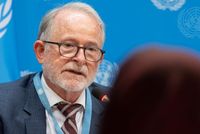
UN Special Rapporteur Bennett: Taliban Restrictions on Women's Medical Education Could Constitute 'Femicide'
 Reliable
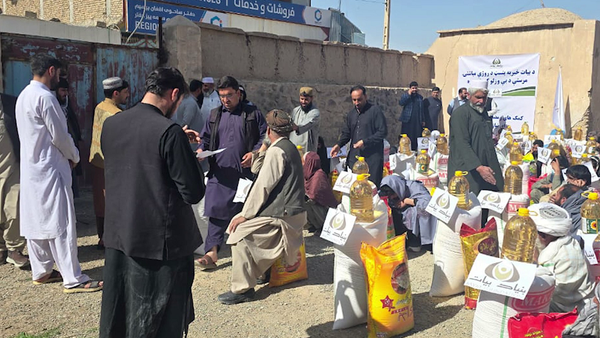
Bayat Foundation Distributes Ramadan Aid Packages to Dozens of Needy Families in Farah
The Bayat Foundation provided food packages containing flour, rice and oil to dozens of needy families in Farah province during Ramadan. Beneficiaries thanked the foundation, which plans to extend aid across other areas until the end of the month.
 Reliable
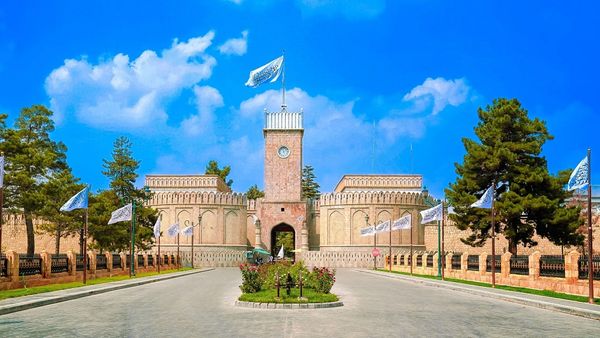
Islamic Emirate Prime Minister's Office Head Meets Council of Hindus and Sikhs Leader
Mullah Abdul Wasi, head of the Islamic Emirate's Prime Minister's Office, met with Manjit Singh Lambhe, leader of Afghanistan's Hindus and Sikhs council, who voiced concerns over properties, electricity, medical licenses, and a temple site. Abdul Wasi promised to address the issues with relevant authorities.
 Reliable
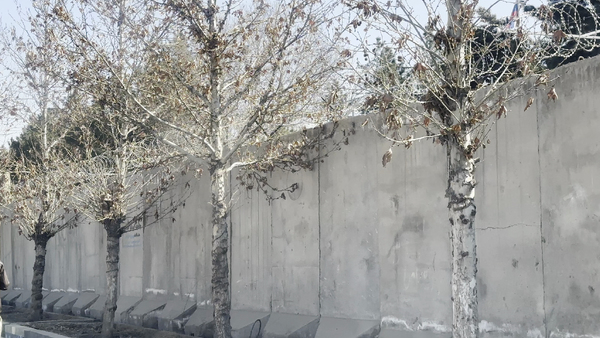
Kabul Residents Demand Removal of Concrete Barriers Near Russian Embassy
Kabul residents near the Russian embassy demand removal of concrete barriers amid traffic woes, as the Interior Ministry clears such obstacles elsewhere in the country.
 Reliable
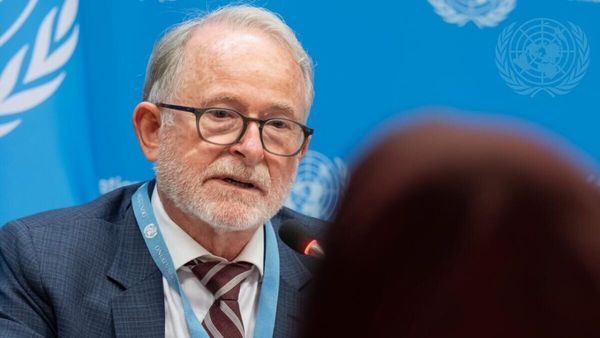
UN Special Rapporteur Bennett: Taliban Restrictions on Women's Medical Education Could Constitute 'Femicide'
UN Special Rapporteur Richard Bennett warned that Taliban bans on women's medical education could constitute 'femicide' and lead to unnecessary deaths amid a collapsing health system. The report details aid cuts, staff shortages, corruption claims, and movement restrictions exacerbating the crisis.