
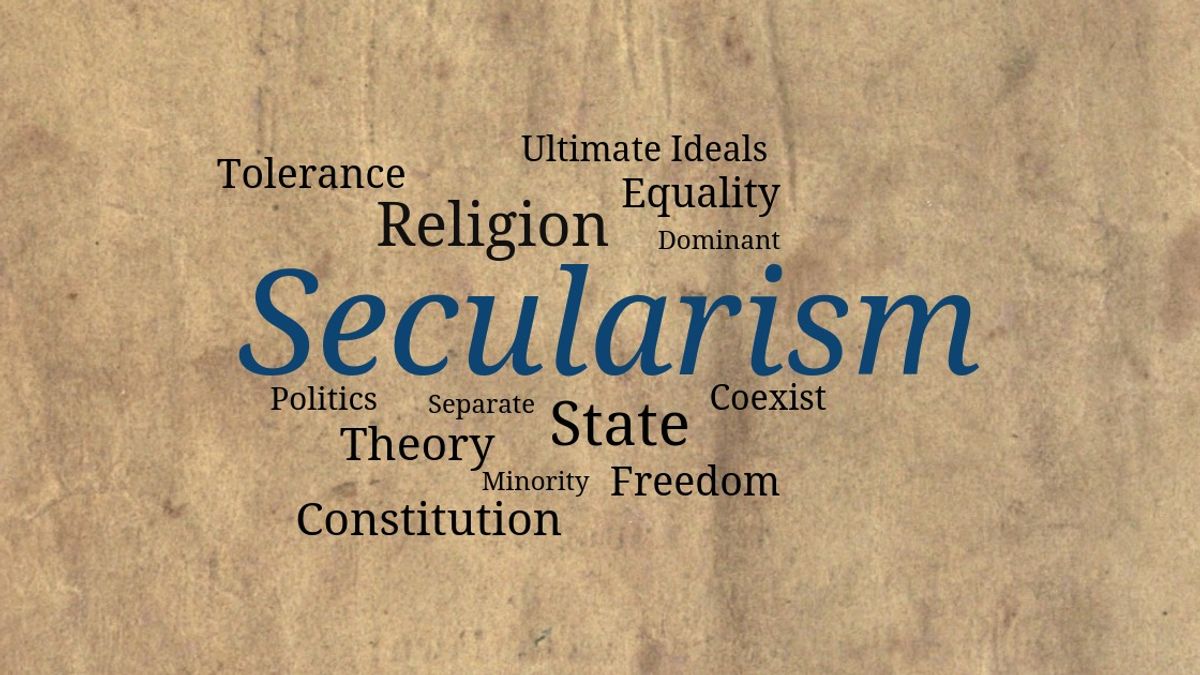
Why Secularism?
A commentary in Hasht-e Subh argues that secularism is not the solution to all of Afghanistan's social and political problems but specifically addresses the dominance of political theology and Islamic politics in the public sphere, society, and politics.
The piece defines democratic secular politics as a system where understanding of the state is based on rationality, law, and human political will. The government is responsible for organizing and administering society, not leading people to paradise. It holds no ideological or divine sanctity and derives entirely from autonomous human will, rejecting political fatalism and entrusting political destiny to human agency. Religion is excluded from social-political legislation, with lawmaking rights given to humans.
In this system, religion does not interfere in government policymaking or the three branches of power—executive, judiciary, and legislative—nor does the state intervene in religious affairs or bear responsibility for religion. Government employees, institutions, schools, state universities, and all state-affiliated bodies remain neutral in the public domain, neither supporting nor opposing religion. The state recognizes no official religion, funds no religious institutions, and allows religious bodies to operate within civil laws. Religion is considered a private matter with no role in the public sphere, and modern penology replaces religious rulings in judiciary matters.
The commentary states that secularism provides a clear answer to one question: ending the socio-political dominance of political theology. However, Afghanistan faces numerous issues, each requiring specific solutions. Secularism does not resolve ethnic contradictions, ethnic supremacy, or ethnic political greed. It aids women's emancipation but is not the sole path to gender equality; women's rights movements should promote it alongside other efforts.
Benefits for women include relegating religion to the private sphere, removing religious barriers to issues like mandatory veiling and women's public participation; placing women under protective secular laws that reject ideological gender subordination and faith-based violence; and equalizing women with men in the public domain by eliminating religiously fueled male superiority.
Secularism does not address national or ethnic issues and can be implemented democratically or dictatorially, citing examples from Turkey, Iraq under Saddam Hussein, Syria under Bashar al-Assad, and Afghanistan's own history.
Know more about this story?
If you have additional information or believe something is inaccurate, let us know. Your tips help us stay accurate.
More in Politics
Joint Workshop Examines Islamic Emirate of Afghanistan's Foreign Policy Prospects
Pakistani politician warns Taliban policies leading Pashtuns to destruction
Islamic Emirate Deputy Prime Minister Hanafi Attends Introduction Ceremony for New Transport and Civil Aviation Minister
Administrative Commission Session Held Under Chairmanship of Maulvi Abdul Salam Hanafi
 Reliable
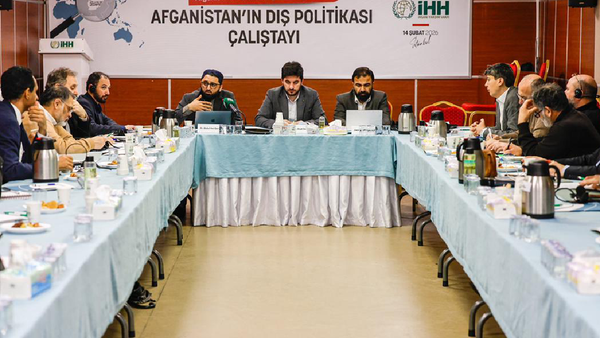
Joint Workshop Examines Islamic Emirate of Afghanistan's Foreign Policy Prospects
A workshop by the EnSamar Institute and the Islamic Emirate's Strategic Studies Center discussed balanced foreign policy, emphasizing dialogue, mutual respect, and engagement with regional and global powers.
 Reliable
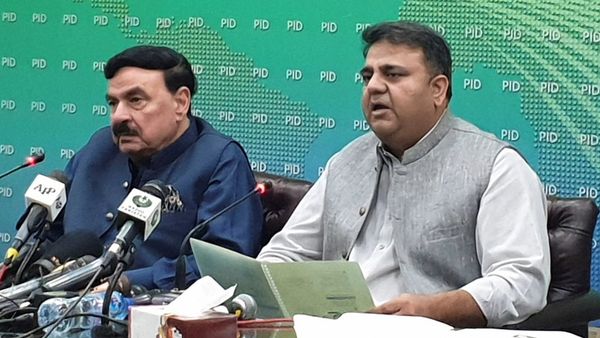
Pakistani politician warns Taliban policies leading Pashtuns to destruction
Former Pakistani minister Fawad Chaudhry warned that Pakistani Taliban policies in Khyber Pakhtunkhwa are destroying Pashtun society and urged a return to non-violent reforms. He criticized restrictions on music, education, and women's rights, drawing parallels to Afghan Taliban practices.
 Reliable
Islamic Emirate Deputy Prime Minister Hanafi Attends Introduction Ceremony for New Transport and Civil Aviation Minister
Maulvi Abdul Salam Hanafi, deputy administrative prime minister of the Islamic Emirate of Afghanistan, spoke at the ceremony introducing Mullah Mohammad Fazil Akhund as the new minister of transport and civil aviation, praising his past service and calling for infrastructure improvements.
 Reliable
Administrative Commission Session Held Under Chairmanship of Maulvi Abdul Salam Hanafi
The Administrative Commission convened under Maulvi Abdul Salam Hanafi, reviewing committee reports and making decisions on finance and oil and gas sectors while assigning further tasks.