
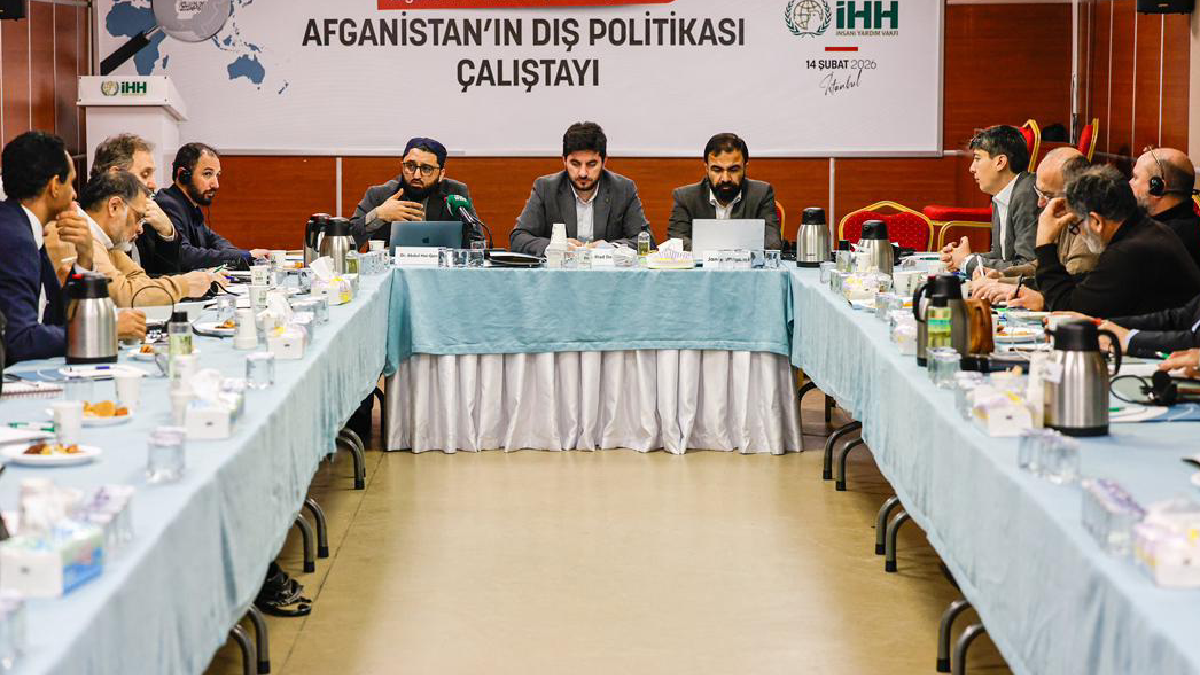
Joint Workshop Examines Islamic Emirate of Afghanistan's Foreign Policy Prospects
A joint workshop organized by the EnSamar Institute and the Strategic Studies Center of the Ministry of Foreign Affairs of the Islamic Emirate of Afghanistan focused on the prospects of the country's foreign policy within regional and international frameworks. Participants emphasized dialogue and interaction based on mutual respect as key tools for advancing diplomatic objectives.
Abdul Hai Qant, head of the Strategic Studies Center and third political deputy of the Ministry of Foreign Affairs, along with a former Afghan ambassador, described dialogue as the primary instrument of diplomacy. They stressed that constructive engagement with regional and global actors is essential for safeguarding national interests.
Political expert Dawood Shiraz stated: "The policy of the Islamic Emirate towards regional and world countries should be balanced. Afghanistan should not side with any particular power; whether China, Russia, America or any other country. We should have good relations with all and establish mutual ties with the world."
Analysts noted that balancing domestic realities with global necessities will determine the success or failure of Afghanistan's foreign policy. They highlighted the importance of active regional engagement, leveraging economic and transit capacities, and managing political relations astutely.
Political expert Adris Mohammadi Zazi said: "The foreign policy of the Islamic Emirate's Ministry of Foreign Affairs should share its goals and objectives with other countries. Domestic policies also directly and indirectly affect foreign policy, so focus on both sectors is necessary."
Zakiullah Mohammadi added: "The Islamic Emirate should choose a foreign policy that takes into account national interests and Islamic values, enabling it to achieve both national and international goals."
The Islamic Emirate has consistently maintained that Afghanistan's foreign policy is grounded in national interests and mutual respect.
Know more about this story?
If you have additional information or believe something is inaccurate, let us know. Your tips help us stay accurate.
More in Politics
Pakistani politician warns Taliban policies leading Pashtuns to destruction
Islamic Emirate Deputy Prime Minister Hanafi Attends Introduction Ceremony for New Transport and Civil Aviation Minister
Administrative Commission Session Held Under Chairmanship of Maulvi Abdul Salam Hanafi
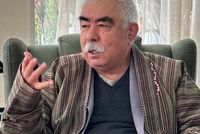
Marshal Dostum: Oppression Has No Permanence
 Reliable
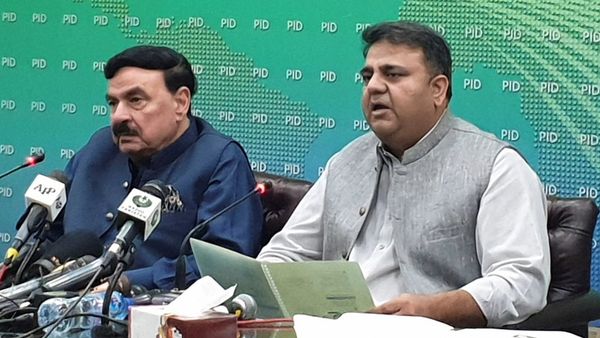
Pakistani politician warns Taliban policies leading Pashtuns to destruction
Former Pakistani minister Fawad Chaudhry warned that Pakistani Taliban policies in Khyber Pakhtunkhwa are destroying Pashtun society and urged a return to non-violent reforms. He criticized restrictions on music, education, and women's rights, drawing parallels to Afghan Taliban practices.
 Reliable
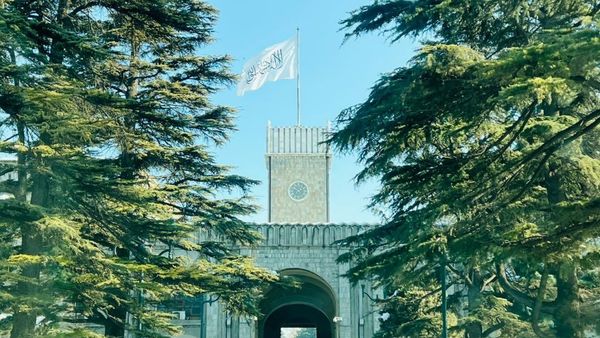
Islamic Emirate Deputy Prime Minister Hanafi Attends Introduction Ceremony for New Transport and Civil Aviation Minister
Maulvi Abdul Salam Hanafi, deputy administrative prime minister of the Islamic Emirate of Afghanistan, spoke at the ceremony introducing Mullah Mohammad Fazil Akhund as the new minister of transport and civil aviation, praising his past service and calling for infrastructure improvements.
 Reliable
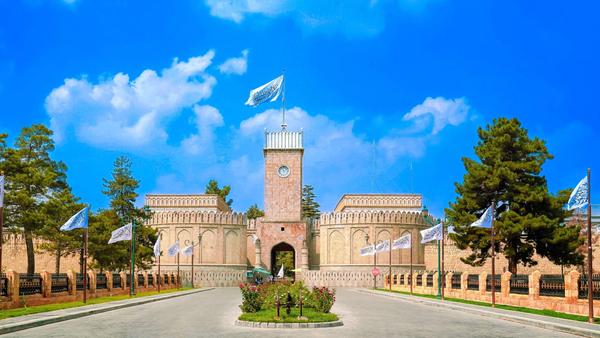
Administrative Commission Session Held Under Chairmanship of Maulvi Abdul Salam Hanafi
The Administrative Commission convened under Maulvi Abdul Salam Hanafi, reviewing committee reports and making decisions on finance and oil and gas sectors while assigning further tasks.
 Reliable
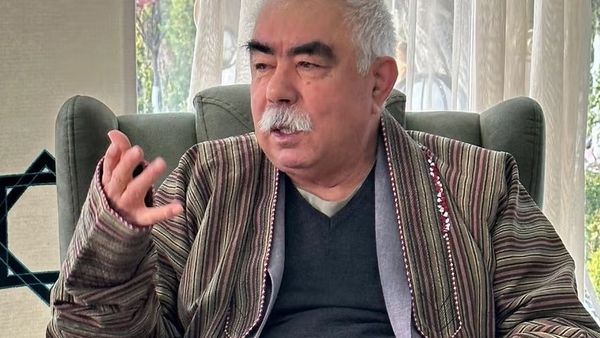
Marshal Dostum: Oppression Has No Permanence
Marshal Abdul Rashid Dostum called for unity in a Ramadan message, asserting oppression will end and transformative changes are imminent, amid ongoing humanitarian challenges in Afghanistan.