
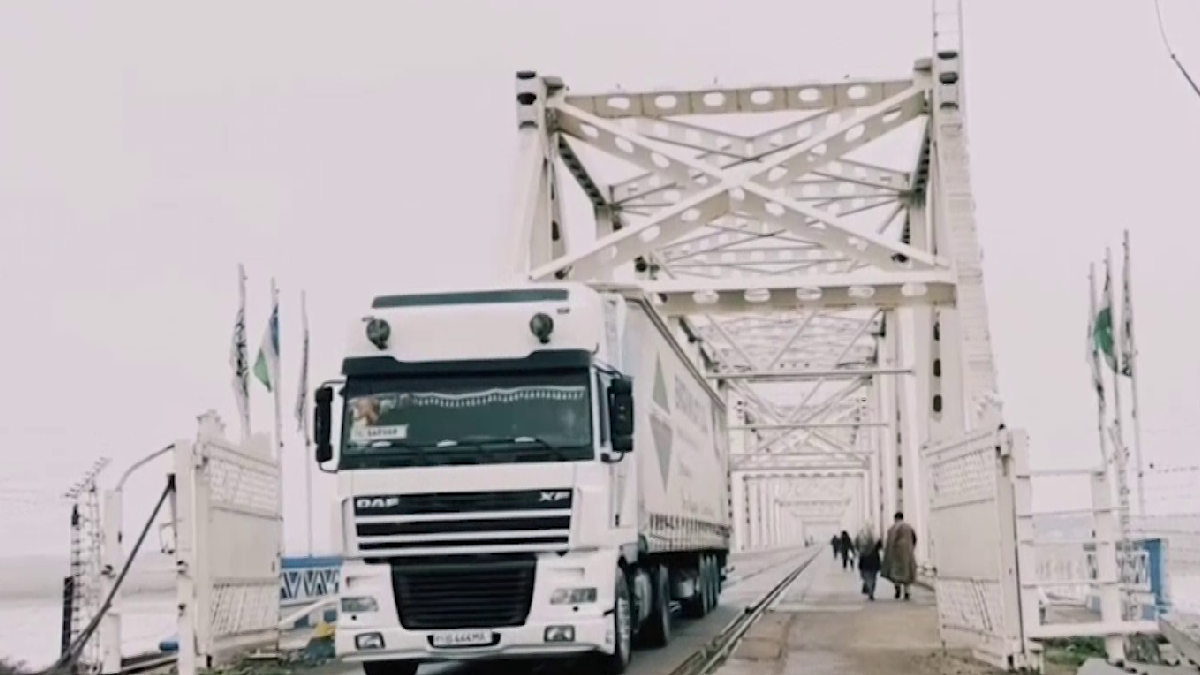
Uzbek President Approves Preferential Trade Agreement with Afghanistan's Islamic Emirate
Uzbekistan President Shavkat Mirziyoyev has signed a decree approving a preferential trade agreement between Afghanistan and Uzbekistan.
Uzbek media reported that the agreement includes waiving customs tariffs on 14 types of goods, simplifying sanitary procedures for Afghan agricultural products and expanding support for exporters. Implementation has been assigned to Uzbekistan's Ministry of Investment, Industry and Trade and Customs Committee.
Economic expert Mirshakar Yaqubi stated that waiving or reducing tariffs on some goods simplifies customs processes, lowers trade costs and enables traders to more easily export and import, allowing products from both countries to enter each other's markets. He added that Afghanistan can access Uzbek goods at lower prices.
The decree comes as the two sides had previously agreed to increase trade to $5 billion. Afghanistan's Chamber of Agriculture and Livestock said implementation could expand exports of agricultural and livestock products to Uzbekistan and boost bilateral trade.
Chamber head Wasim Safi emphasized that trade with any country benefits Afghan products. He noted Uzbekistan had previously demanded red meat from Afghanistan but supplies were insufficient, and the agreement could encourage farm production and exports.
The Ministry of Economy of the Islamic Emirate stated the agreement can lead to economic growth, increased exports and expanded trade ties with Central Asian countries. Deputy Abdul Latif Nazari said it will have positive impacts on economic development, exports, and economic, trade and transit relations between Afghanistan and Central Asian states.
The preferential trade agreement was first announced in August 2024 and signed on June 10, 2025, on the sidelines of the Tashkent International Investment Forum by Uzbekistan's Minister of Investment, Industry and Trade Laziz Kudratov and Afghanistan's Minister of Industry and Trade Noruddin Azizi.
Know more about this story?
If you have additional information or believe something is inaccurate, let us know. Your tips help us stay accurate.
Sources (1)
More in Economy

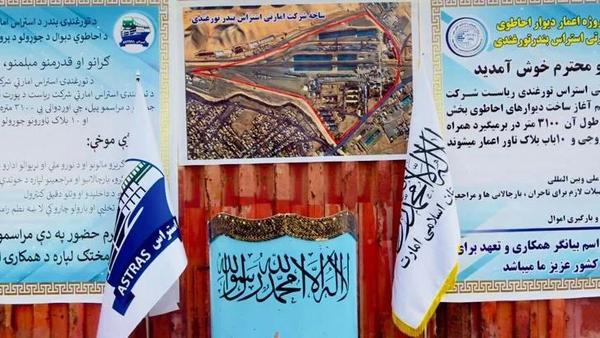
Construction Begins on Perimeter Wall at Torghundi Port in Herat
Afghanistan Dispatches Eight Export Shipments via Lapis Lazuli Route to Global Markets
Minister of Water and Energy Visits Sultan Storage and Irrigation Dam in Ghazni
Afghanistan's Cargo Sector Provides Income for Youth Amid Challenges Including Flight Shortages
 Reliable
Construction Begins on Perimeter Wall at Torghundi Port in Herat
Construction has started on a new perimeter wall at Torghundi port in Herat province, costing more than 36 million Afghanis, to replace deteriorated structures over 40 years old. Herat governor's spokesman Mohammad Yusuf Saidi said the project will boost security and improve port management at the key trade link to Turkmenistan.
 Reliable
Afghanistan Dispatches Eight Export Shipments via Lapis Lazuli Route to Global Markets
Afghanistan's Ministry of Transport announced eight export shipments of dried fruits, jam, pressure cookers and energy drinks via the Lapis Lazuli route to Turkey and beyond. Developments also include a UNHCR carpet weaving center in Herat, Uzbekistan ratifying a trade deal and boosted Afghan fruit exports to Russia following Iran's ban.
 Reliable
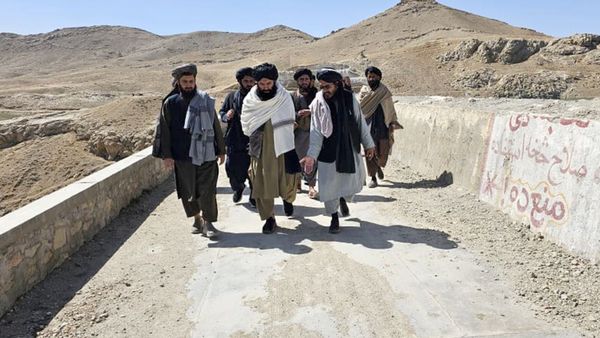
Minister of Water and Energy Visits Sultan Storage and Irrigation Dam in Ghazni
Mullah Mohammad Yunus Akhundzada, the Islamic Emirate's Minister of Water and Energy, visited the Sultan storage and irrigation dam in Ghazni province. The dam's preservation project, costing 114 million Afghanis and 35% complete, will irrigate 15,000 hectares upon finishing in solar year 1405.
 Reliable
Afghanistan's Cargo Sector Provides Income for Youth Amid Challenges Including Flight Shortages
Young people in Kabul have turned to Afghanistan's cargo sector for income amid job shortages, viewing it as a path to family support and independence. Workers face challenges like flight shortages, customs delays and illegal operations, and call on the Taliban for support including insurance and more commercial flights.