
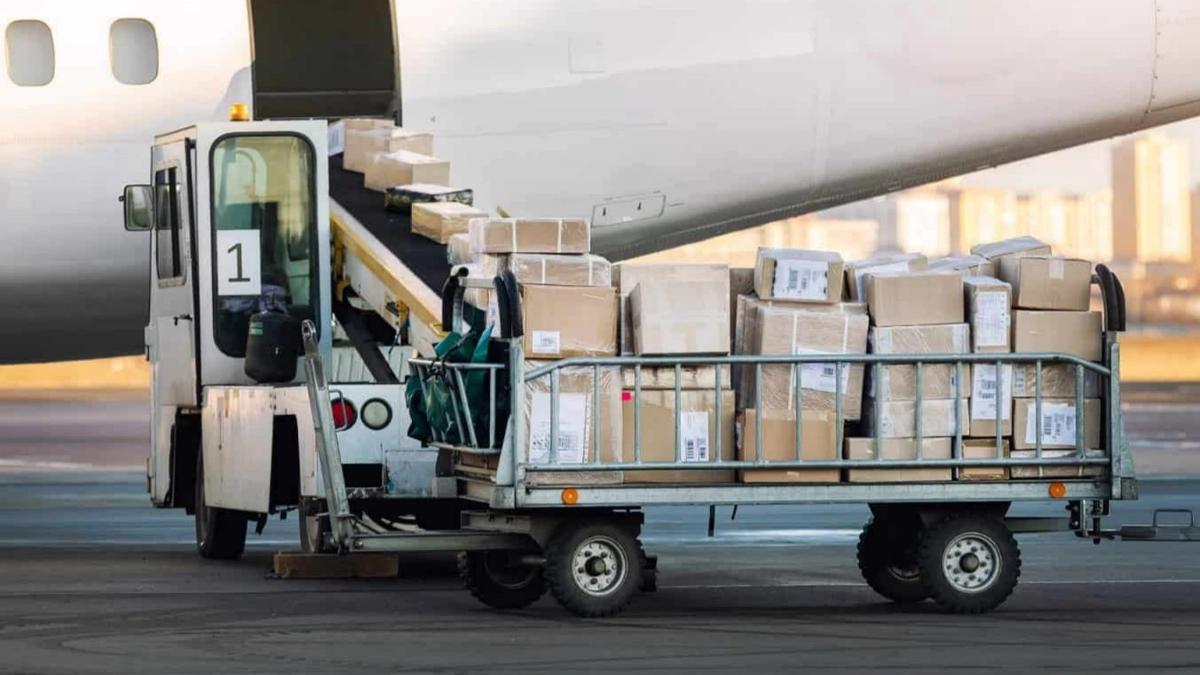
Afghanistan's Cargo Sector Provides Income for Youth Amid Challenges Including Flight Shortages
The cargo transport sector, operating alongside Afghan Post under Taliban control, has become a source of income for young people in Kabul facing limited job opportunities.
Young workers in the sector say they turned to cargo work due to market needs and higher income potential, allowing them to support families and achieve economic independence. They describe the job as offering good earnings but note significant hurdles threatening its sustainability.
Atiqullah, a cargo worker in Kabul, said he entered the field due to a lack of opportunities in his own area of expertise. He cited shortages of commercial flights, weaknesses in the transport system, transit restrictions, customs delays, complex documentation and changing taxes as major problems. "Sometimes delays in flights cause a lot of problems for us, where the customer feels their goods have been damaged or lost," he said.
Abdullah Shakran, another young cargo operator, said he chose the work for its freelance nature and excitement. He listed challenges including limited flights, high demand with low services, customs issues, lack of standardization and high tariffs. Shakran called on the Taliban to insure cargo companies, activate air corridors, increase commercial flights and set fixed rates for goods.
Babar Ahmadi, who entered the sector out of necessity despite it not matching his studies, highlighted disorder from over 500 companies operating illegally under a single license from the Ministry of Industry and Commerce. He said specialized legal companies require three licenses, including a postal license from the Ministry of Communications (APRA).
The young workers said recent flight delays and restrictions have eroded customer trust. They urged the Taliban to support the sector through insurance, more flights, fixed pricing and regulatory fixes to foster growth and bolster Afghanistan's economy.
Know more about this story?
If you have additional information or believe something is inaccurate, let us know. Your tips help us stay accurate.
Sources (1)
More in Economy

Construction Begins on Perimeter Wall at Torghundi Port in Herat

Afghanistan Dispatches Eight Export Shipments via Lapis Lazuli Route to Global Markets
Minister of Water and Energy Visits Sultan Storage and Irrigation Dam in Ghazni
Herat Residents Complain of Four-Day Power Outage Due to Damaged Poles in Band Baqarchar
 Reliable
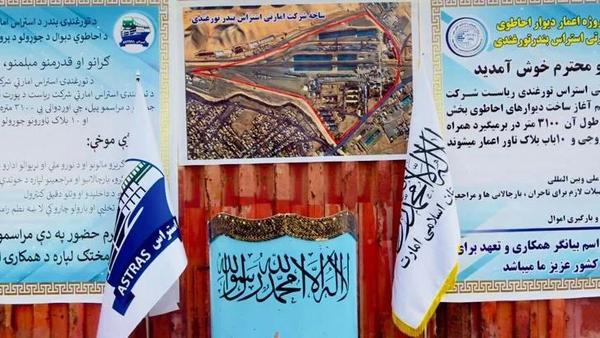
Construction Begins on Perimeter Wall at Torghundi Port in Herat
Construction has started on a new perimeter wall at Torghundi port in Herat province, costing more than 36 million Afghanis, to replace deteriorated structures over 40 years old. Herat governor's spokesman Mohammad Yusuf Saidi said the project will boost security and improve port management at the key trade link to Turkmenistan.
 Reliable
Afghanistan Dispatches Eight Export Shipments via Lapis Lazuli Route to Global Markets
Afghanistan's Ministry of Transport announced eight export shipments of dried fruits, jam, pressure cookers and energy drinks via the Lapis Lazuli route to Turkey and beyond. Developments also include a UNHCR carpet weaving center in Herat, Uzbekistan ratifying a trade deal and boosted Afghan fruit exports to Russia following Iran's ban.
 Reliable
Minister of Water and Energy Visits Sultan Storage and Irrigation Dam in Ghazni
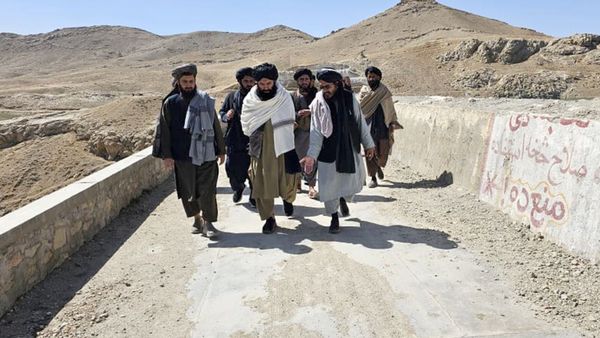
Mullah Mohammad Yunus Akhundzada, the Islamic Emirate's Minister of Water and Energy, visited the Sultan storage and irrigation dam in Ghazni province. The dam's preservation project, costing 114 million Afghanis and 35% complete, will irrigate 15,000 hectares upon finishing in solar year 1405.
 Developing
Herat Residents Complain of Four-Day Power Outage Due to Damaged Poles in Band Baqarchar
Residents in Herat province report a power outage lasting more than four days due to snow and rain-damaged electricity poles in Band Baqarchar, criticizing Taliban officials and Breshna company for lacking a sustainable solution despite the annual recurrence.