
US, Israel and Iran Engaged in Escalating Military Conflict
An ongoing war between the United States, Israel and Iran has intensified with mutual military strikes across the region.
The US and Israel have conducted attacks on targets inside Iran, according to reports. Iran has responded with missile and drone strikes on Israel as well as US bases in the region.
Iran has closed the Strait of Hormuz, a critical chokepoint for global energy shipments. This action has raised concerns over disruptions to energy markets.
US and Israeli forces attempted to eliminate Iran's Supreme Leader Ali Khamenei and Islamic Revolutionary Guard Corps (IRGC) leaders, but the efforts failed.
Threats have emerged targeting energy infrastructure, nuclear facilities and desalination plants throughout the region, exacerbating tensions.
Analysts describe the conflict as a broader geopolitical contest challenging the neoliberal global order and Western hegemony. They argue it signals the erosion of US influence, potentially benefiting non-Western powers such as China and Russia, while underscoring Iran's resilient resistance.
Know more about this story?
If you have additional information or believe something is inaccurate, let us know. Your tips help us stay accurate.
Sources (1)
More in International

Taliban Deputy Minister Assures No Harm to Neighbors from Qoshtepa Canal Water Share

U.S. Resumes Limited Review of Asylum Requests from Non-High-Risk Countries
Russian, Uzbek Officials to Discuss Afghanistan Security at Termez Conference

Iran Confirms Death of Revolutionary Guards Navy Commander Tangsiri
 Reliable
Taliban Deputy Minister Assures No Harm to Neighbors from Qoshtepa Canal Water Share
Taliban Deputy Minister of Water and Energy Mujib al-Rahman Umar assured at Uzbekistan's Water Week that Afghanistan seeks only its legal water share from the Qoshtepa Canal without intending to harm neighbors. The statement responds to Uzbekistan's water minister's concerns about excessive withdrawals potentially damaging agriculture.
 Reliable
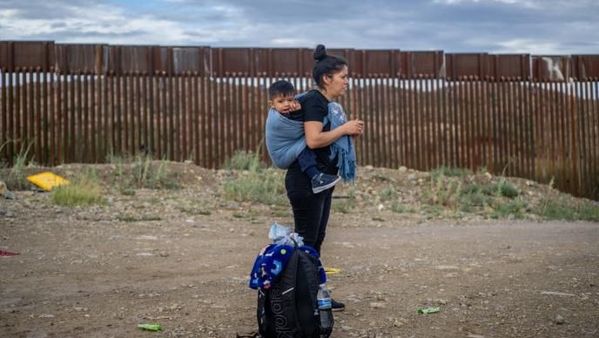
U.S. Resumes Limited Review of Asylum Requests from Non-High-Risk Countries
The U.S. has resumed limited review of asylum applications from countries not on its high-risk list after halting them following a November 2025 shooting near the White House by a former Afghan soldier who entered via the Afghan Allies Relocation Program. Restrictions persist for nationals of 39 high-risk countries in Africa, Asia and Latin America, with full security checks required for all applicants.
 Reliable
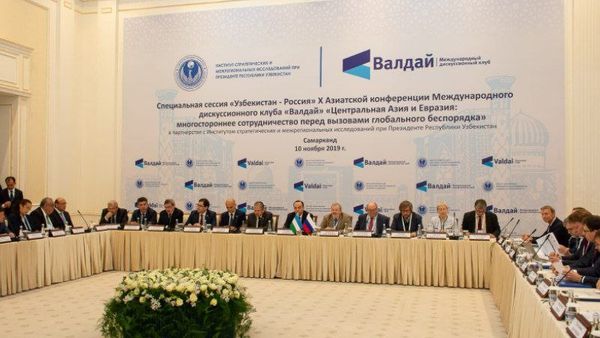
Russian, Uzbek Officials to Discuss Afghanistan Security at Termez Conference
Russian and Uzbek officials will meet in Termez on 10-11 Hamal for a conference hosted by the Valdai Discussion Club and Uzbekistan's Institute for Strategic Studies to discuss Afghanistan's security and regional issues including migration and climate change. Organizers expressed concerns over terrorism risks near the Afghan border.
 Reliable
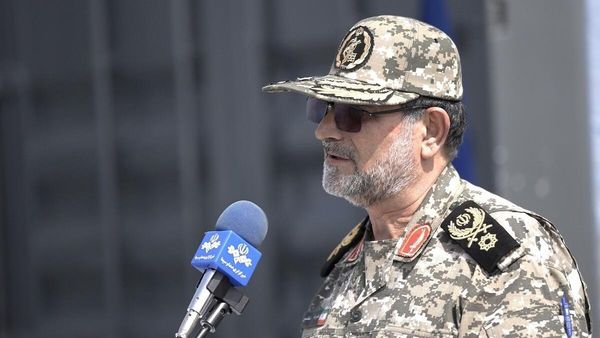
Iran Confirms Death of Revolutionary Guards Navy Commander Tangsiri
Iran's Revolutionary Guards confirmed the death of naval commander Alireza Tangsiri from injuries sustained in an Israeli strike. The announcement followed Israeli Defence Minister Israel Katz's claim by four days.