
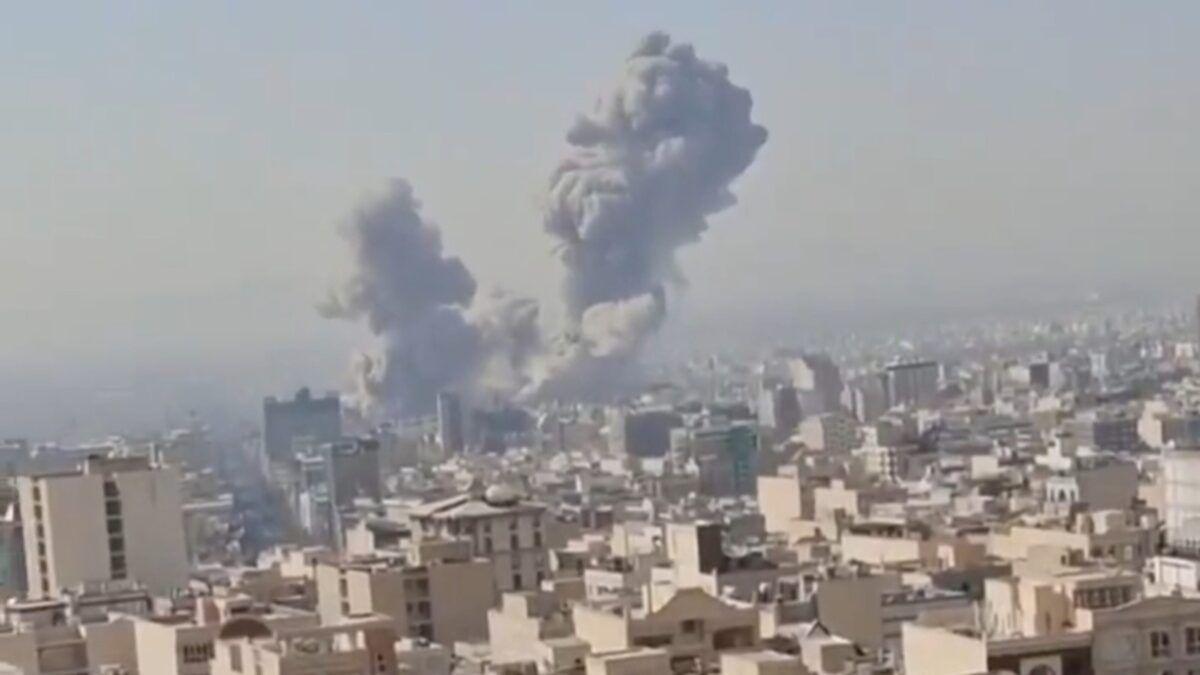
US Deploys Third Aircraft Carrier Group Amid Middle East Tensions with Iran
Recent developments in the Middle East indicate that ongoing conflicts are evolving into a symbolic confrontation between two approaches to power: technological superiority and ideological resistance.
The United States is preparing to deploy a third aircraft carrier group to the region, centered on the USS George H.W. Bush, joining the already present USS Abraham Lincoln and USS Gerald R. Ford. Each carrier functions as a floating military base equipped with dozens of fighter jets, advanced defense systems, and intelligence networks. Such deployments serve not only combat purposes but also psychological pressure, deterrence, and shaping regional political dynamics, according to the analysis.
On the other side, Iran's power structure relies more on ideology, resistance, and social mobilization than on superior military technology. Potential conflict would represent a contest between these models: U.S. advantages in satellite networks, digital command systems, fifth-generation fighters, multi-billion-dollar carriers, and global precision strikes versus Iran's asymmetric strategies, ballistic missiles, drones, and proxy networks.
Reports indicate Iran is expending weapons in a calculated, gradual manner to preserve strategic reserves for future stages while escalating attacks incrementally to signal deterrence without losing control. This approach aligns with a narrative of resistance, where conflict tests endurance against a superior power, generating political legitimacy and morale despite technological disparities.
The U.S. deployment sends a multi-layered message to Iran, regional allies, and global audiences, affirming Washington's capacity for rapid power projection. Both sides face prestige stakes: U.S. retreat could damage global credibility, while Iranian concessions might undermine its resistance narrative. This dynamic resembles brinkmanship, with gradual military pressure to gain political leverage without triggering all-out war.
Fundamentally, U.S. power rests on technology, intelligence, and military economy, effective in battles but challenged in prolonged regional conflicts. Iran's strengths lie in flexibility, regional networks, and ideology, suited for attrition warfare.
Know more about this story?
If you have additional information or believe something is inaccurate, let us know. Your tips help us stay accurate.
Sources (1)
More in International
US-Iran War Enters 16th Day as White House Aide Urges Withdrawal, Trump Rejects Ceasefire

India Faces Gas Shortages Due to Strait of Hormuz Closure Amid Middle East Tensions
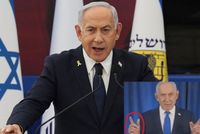
Netanyahu's Office Denies Viral Social Media Rumors of His Death

European Union Extends Sanctions Against More Than 2,600 Russian Individuals and Entities Until September
 Reliable
US-Iran War Enters 16th Day as White House Aide Urges Withdrawal, Trump Rejects Ceasefire
The US-Iran war, now in its 16th day, features conflicting U.S. positions: a White House aide urging withdrawal while President Trump rejects a ceasefire, amid mutual claims of heavy damage from strikes and counterstrikes.
 Developing
India Faces Gas Shortages Due to Strait of Hormuz Closure Amid Middle East Tensions
India is experiencing severe gas shortages with long lines at distribution centers due to Iran's closure of the Strait of Hormuz amid US-Israel tensions, halting about one-fifth of global oil and gas supplies. Iran recently allowed two Indian LNG carriers to pass, while analysts warn of a potential energy crisis if the conflict continues.
 Reliable
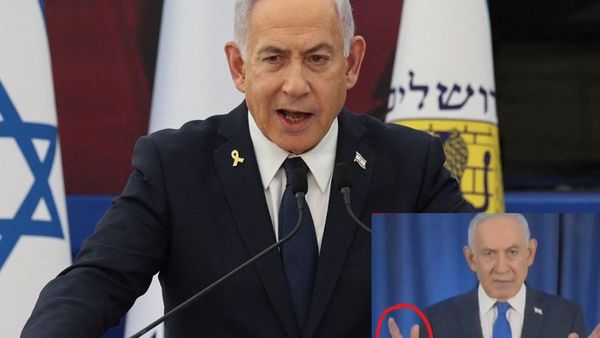
Netanyahu's Office Denies Viral Social Media Rumors of His Death
Israeli Prime Minister Benjamin Netanyahu's office denied viral social media rumors of his death amid the Israel-US-Iran conflict, confirming he is safe and well. Fact-checks debunked fabricated screenshots and claims of AI manipulation in a video of him speaking.
 Reliable
European Union Extends Sanctions Against More Than 2,600 Russian Individuals and Entities Until September
The European Union has extended sanctions against more than 2,600 Russian individuals and entities until September 15, targeting those undermining Ukraine's territorial integrity. During the list review, two names were not extended and five deceased individuals were removed, amid unconfirmed reports of delisting requests for Mikhail Fridman and Alisher Usmanov.