
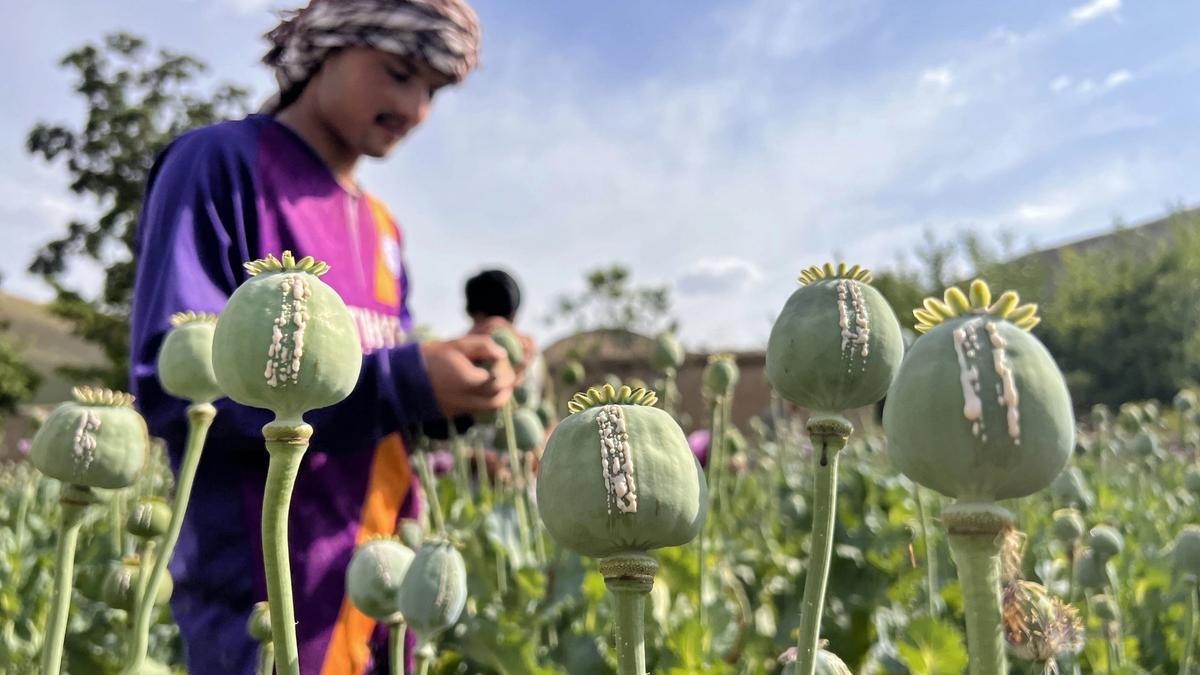
UNODC Warns of Poppy Cultivation Risks Without Financial Diversification in Afghanistan
KABUL (Afghan Verified) -- The United Nations Office on Drugs and Crime (UNODC) stated that preventing a widespread return to poppy cultivation in Afghanistan requires diversifying financial resources beyond foreign aid.
In a report released on Sunday, February 15, 2026, UNODC warned that without sustainable income sources, farmers and rural families may revert to poppy cultivation. Low-income families, the report noted, consider opium when legal crop incomes are significantly lower than poppy yields.
Poppy cultivation in 2025 decreased by about 20% compared to the previous year, according to the report. However, poppy prices and profits remain high, far exceeding earnings from alternatives like wheat or cotton.
UNODC highlighted additional risks from economic and environmental factors, including drought and limited arable land. The return of millions of Afghan citizens from neighboring countries has intensified pressure on the labor market and incomes, heightening the danger of renewed poppy farming.
The report emphasized the need for private sector development and alternative livelihoods to sustain the decline in cultivation.
More in Economy

Taliban Ministry of Mines Contracts Incurred 14.5 Billion Afgani Losses Due to Violations, Documents Indicate
World Food Programme: 445,000 People in Afghanistan Closer to Food Security in 2025
Bamiyan Reports Over 517,000 Tourists This Solar Year, Up 2.5-Fold From Last Year
Parwan Shopkeepers: Daily Sales Drop from 6,000 to Hundreds of Afghanis
 Developing
Taliban Ministry of Mines Contracts Incurred 14.5 Billion Afgani Losses Due to Violations, Documents Indicate
Documents show financial violations in six Taliban Ministry of Mines contracts caused over 14.5 billion afghanis in losses during Shahabuddin Dilawar's tenure. Expert warns of resource damage and lack of transparency in extraction.
 Reliable
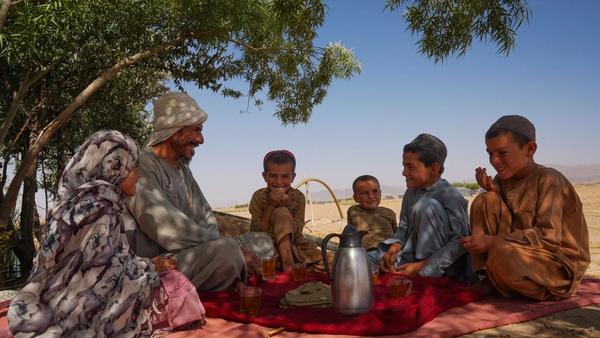
World Food Programme: 445,000 People in Afghanistan Closer to Food Security in 2025
The World Food Programme reports that its 2025 programs in Afghanistan helped 445,000 people approach food security by rehabilitating irrigation infrastructure and supporting farmers and women with skills training. This progress contrasts with UN forecasts of a deepening economic and hunger crisis in 2026.
 Reliable
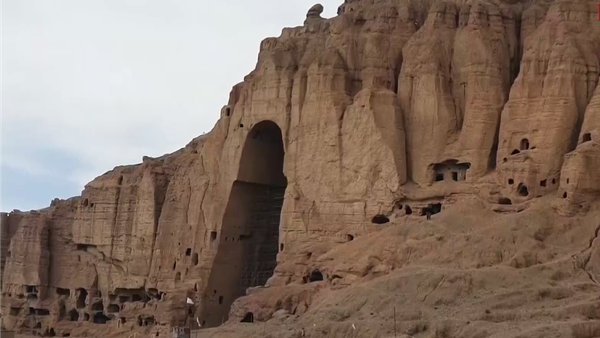
Bamiyan Reports Over 517,000 Tourists This Solar Year, Up 2.5-Fold From Last Year
Bamiyan province saw 517,446 tourists visit its sites this solar year, including 2,278 foreigners, a 2.5-fold increase from last year, though challenges like poor roads and lack of guides remain.
 Reliable
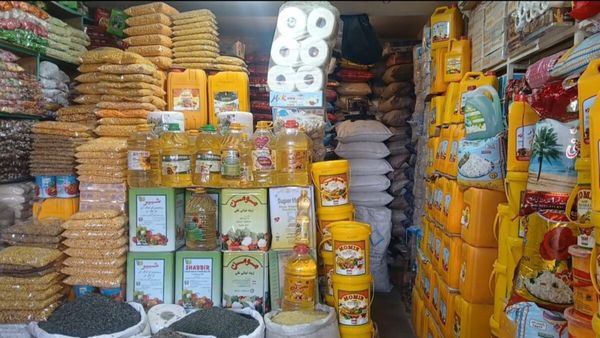
Parwan Shopkeepers: Daily Sales Drop from 6,000 to Hundreds of Afghanis
Shopkeepers in Parwan's Charikar report daily sales plummeting from 5,000-6,000 afghanis to 400-500 due to poverty and unemployment. Experts urge job creation and investor support amid a nationwide crisis affecting over 70% of Afghans, per UN warnings.