
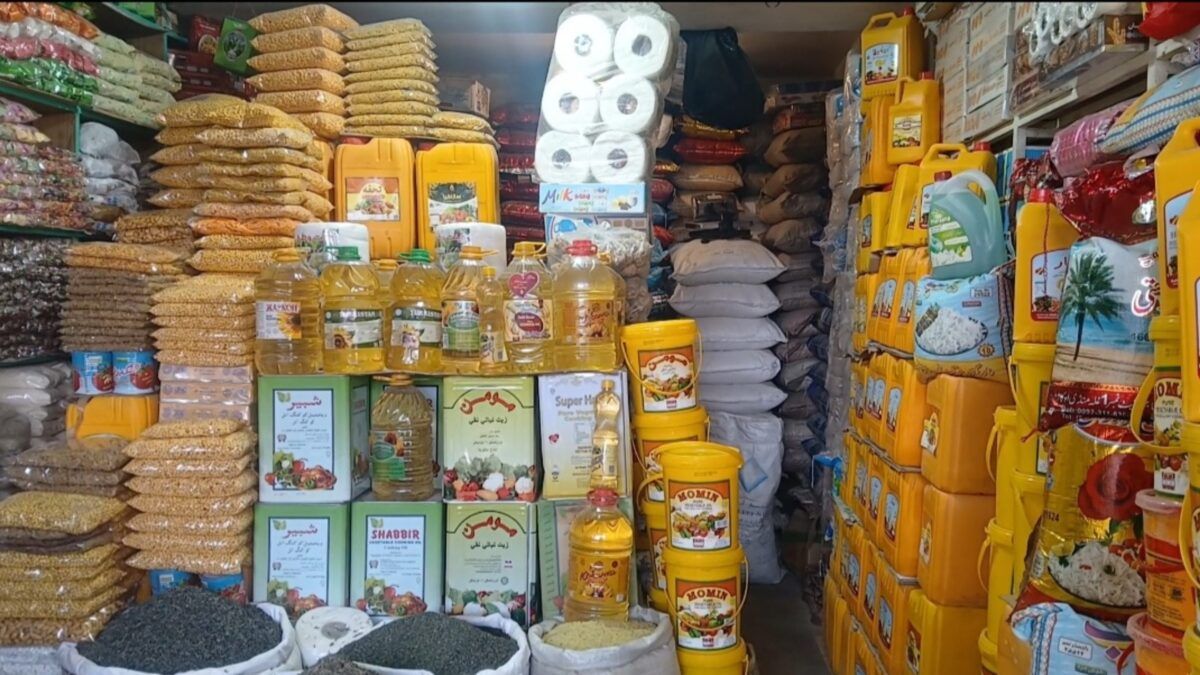
Parwan Shopkeepers: Daily Sales Drop from 6,000 to Hundreds of Afghanis
Shopkeepers in Charikar, the capital of Parwan province, report a sharp decline in daily sales amid widespread poverty and unemployment that has eroded residents' purchasing power.
They say sales have fallen from 5,000 to 6,000 afghanis per day previously to just 400 to 500 afghanis now. Mohammad Elyas, a shopkeeper, said: "Previously we had 5,000 or 6,000 in daily sales, but now it's 400 or 500 afghanis. People have no money; unemployment and poverty have increased."
Seyd Jamal, another shopkeeper, stated: "Before, we did 5,000 or 6,000, but now I can't even reach 1,000 afghanis. Business is completely ruined." Dad Mohammad, also a shopkeeper, added: "There's no money; people don't have money. When there's no money, there's no work. If there are jobs, production, and companies are established, people will be busy with work and the economy will improve."
Shopkeepers emphasized that a lack of job opportunities and ongoing economic challenges are making local markets increasingly desolate each day.
Economic expert Qotbaldin Yaqubi said: "To escape this situation, the government is obligated to create new job opportunities, support investors, and provide a stable environment for investment and economic security."
The complaints from Charikar vendors highlight how reduced sales and rising unemployment are creating serious crises in their daily lives. The United Nations has previously warned that more than 70% of citizens across various parts of Afghanistan are grappling with severe unemployment and economic hardships, indicating that the local market slump is part of a broader national economic crisis.
More in Economy

Taliban Ministry of Mines Contracts Incurred 14.5 Billion Afgani Losses Due to Violations, Documents Indicate
World Food Programme: 445,000 People in Afghanistan Closer to Food Security in 2025
Bamiyan Reports Over 517,000 Tourists This Solar Year, Up 2.5-Fold From Last Year
UNODC Warns of Poppy Cultivation Risks Without Financial Diversification in Afghanistan
 Developing
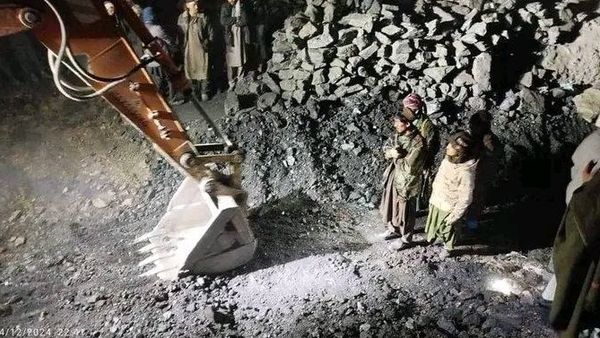
Taliban Ministry of Mines Contracts Incurred 14.5 Billion Afgani Losses Due to Violations, Documents Indicate
Documents show financial violations in six Taliban Ministry of Mines contracts caused over 14.5 billion afghanis in losses during Shahabuddin Dilawar's tenure. Expert warns of resource damage and lack of transparency in extraction.
 Reliable
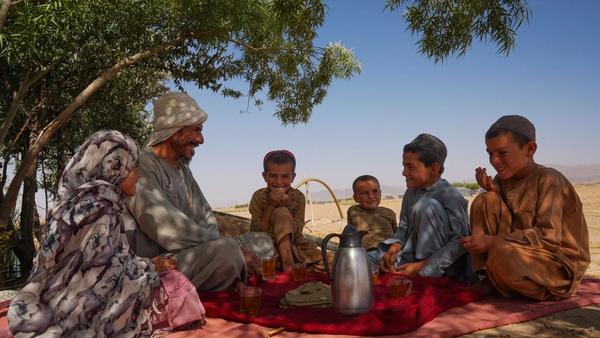
World Food Programme: 445,000 People in Afghanistan Closer to Food Security in 2025
The World Food Programme reports that its 2025 programs in Afghanistan helped 445,000 people approach food security by rehabilitating irrigation infrastructure and supporting farmers and women with skills training. This progress contrasts with UN forecasts of a deepening economic and hunger crisis in 2026.
 Reliable
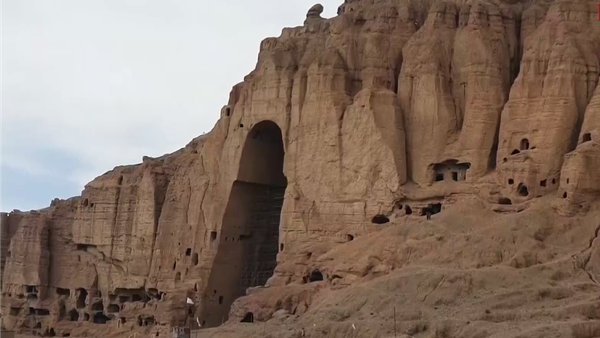
Bamiyan Reports Over 517,000 Tourists This Solar Year, Up 2.5-Fold From Last Year
Bamiyan province saw 517,446 tourists visit its sites this solar year, including 2,278 foreigners, a 2.5-fold increase from last year, though challenges like poor roads and lack of guides remain.
 Reliable
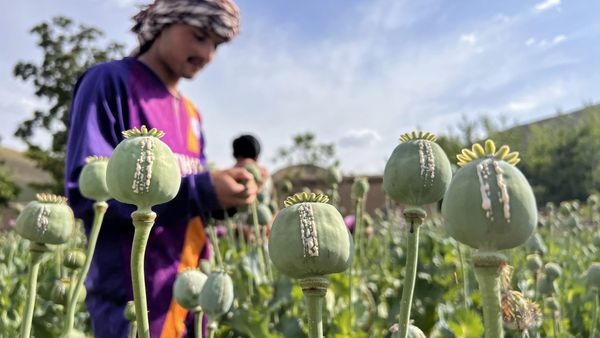
UNODC Warns of Poppy Cultivation Risks Without Financial Diversification in Afghanistan
UNODC warns that without financial diversification beyond aid, Afghan farmers may return to poppy cultivation despite a 20% drop in 2025, citing high profits and pressures from drought and refugee returns.