
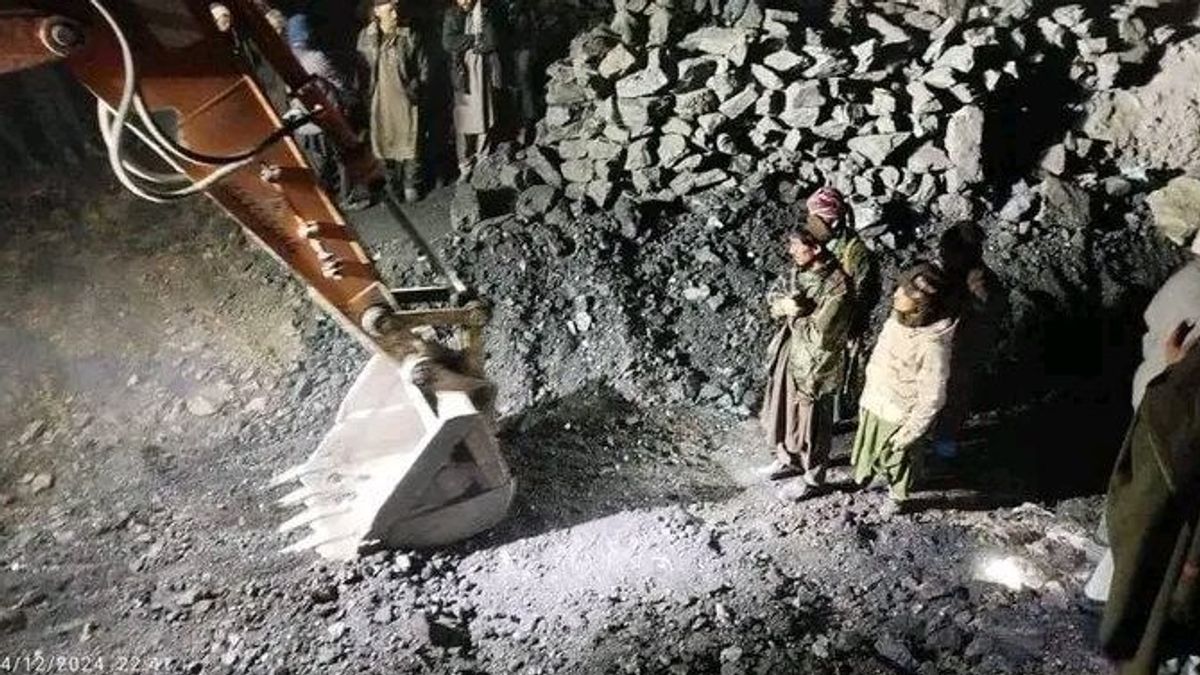
Taliban Ministry of Mines Contracts Incurred 14.5 Billion Afgani Losses Due to Violations, Documents Indicate
Documents obtained by Afghanistan International reveal serious financial and administrative violations in six mining contracts during Shahabuddin Dilawar's tenure as Taliban Minister of Mines and Petroleum, resulting in losses of 14 billion 527 million Afghanis based on contract values and 114 million 334 thousand 171 Afghanis from actual extraction to date.
The violations included low royalty rates, incorrect price calculations, non-banking revenue collection, and breaches of bidding principles. In some projects, companies that proposed higher bids later received extraction licenses at lower rates. Payments were made in dollars for domestic contracts, which required afghanis. Specific discrepancies were identified in payments by Bahir Marble and Khalid Momand companies, totaling 181 million 801 thousand 635 Afghanis, due to mismatches between reported payments and official records.
These contracts were issued without technical evaluations or market studies, often through limited tenders lacking transparency. The Vice Presidency of Audit under the Taliban's Supreme Leadership reviewed the cases based on Hibatullah Akhundzada's orders and standards proposed by the international INTOSAI body.
Economic expert Mazmel Shinwari stated that mines are extracted without precise figures published, with revenues directed to Hibatullah's budget office in Kandahar. He warned that unprofessional extraction of resources like oil and gold could damage natural assets. The Taliban Ministry of Mines and Petroleum does not disclose contract details or actual extraction volumes, potentially enabling administrative corruption.
Transparency International's 2025 report ranked Afghanistan under Taliban control among the world's most corrupt nations, dropping one position from 2024.
More in Economy
World Food Programme: 445,000 People in Afghanistan Closer to Food Security in 2025
Bamiyan Reports Over 517,000 Tourists This Solar Year, Up 2.5-Fold From Last Year
UNODC Warns of Poppy Cultivation Risks Without Financial Diversification in Afghanistan
Parwan Shopkeepers: Daily Sales Drop from 6,000 to Hundreds of Afghanis
 Reliable
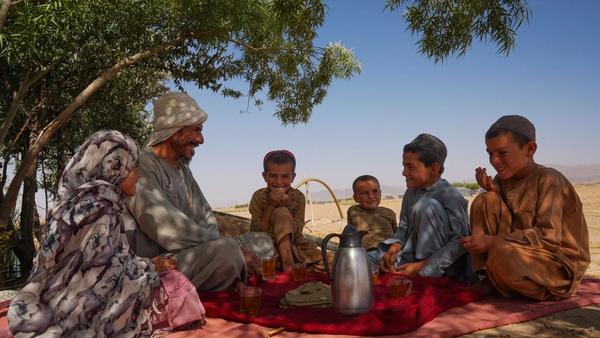
World Food Programme: 445,000 People in Afghanistan Closer to Food Security in 2025
The World Food Programme reports that its 2025 programs in Afghanistan helped 445,000 people approach food security by rehabilitating irrigation infrastructure and supporting farmers and women with skills training. This progress contrasts with UN forecasts of a deepening economic and hunger crisis in 2026.
 Reliable
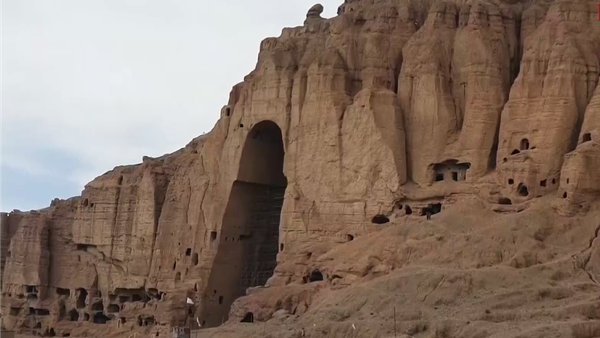
Bamiyan Reports Over 517,000 Tourists This Solar Year, Up 2.5-Fold From Last Year
Bamiyan province saw 517,446 tourists visit its sites this solar year, including 2,278 foreigners, a 2.5-fold increase from last year, though challenges like poor roads and lack of guides remain.
 Reliable
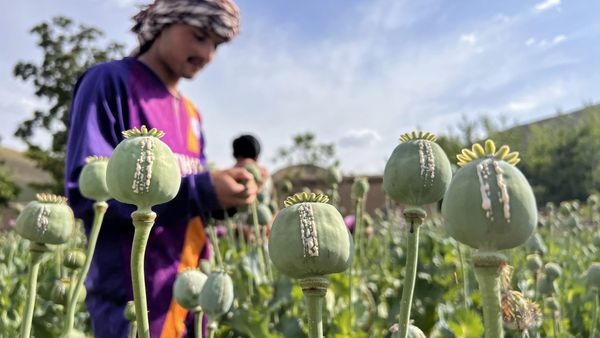
UNODC Warns of Poppy Cultivation Risks Without Financial Diversification in Afghanistan
UNODC warns that without financial diversification beyond aid, Afghan farmers may return to poppy cultivation despite a 20% drop in 2025, citing high profits and pressures from drought and refugee returns.
 Reliable
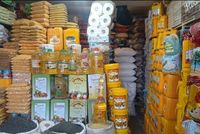
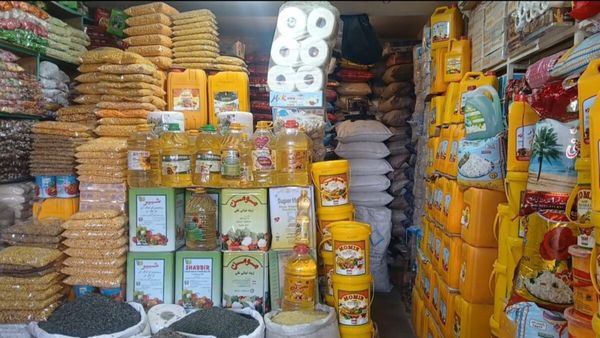
Parwan Shopkeepers: Daily Sales Drop from 6,000 to Hundreds of Afghanis
Shopkeepers in Parwan's Charikar report daily sales plummeting from 5,000-6,000 afghanis to 400-500 due to poverty and unemployment. Experts urge job creation and investor support amid a nationwide crisis affecting over 70% of Afghans, per UN warnings.