
UNICEF: Afghanistan Remains One of World's Largest Humanitarian Crises in 2026
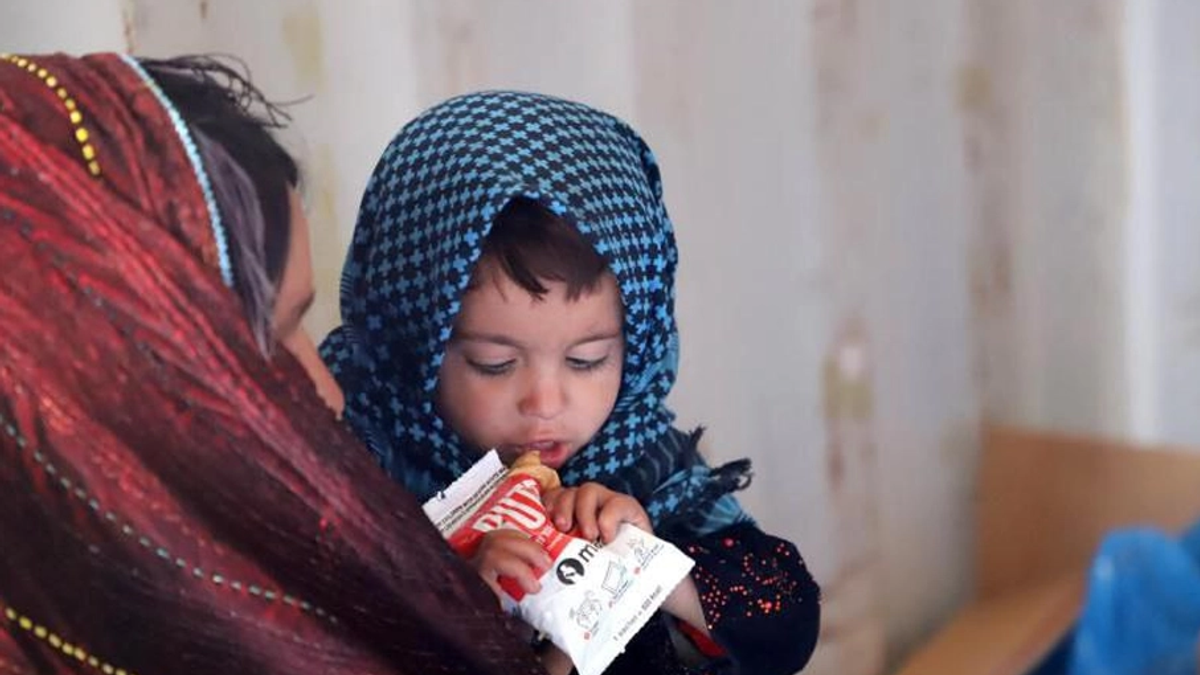
KABUL (Afghan Verified) — The United Nations Children's Fund (UNICEF) has reported that Afghanistan remains one of the world's largest humanitarian crises in 2026, with nearly 22 million people in need of assistance, including more than 11 million children.
UNICEF attributed the crisis to years of conflict, a weak economy, economic collapse and weakened services. The agency highlighted the erosion of human rights as a contributing factor.
In response, UNICEF has provided cash transfers to 52,934 families or households with pregnant and lactating women. The organization delivered nutrition counseling to approximately 180,000 caregivers, multiple micronutrient supplements to around 159,000 pregnant women and about 350,000 children under five, and services to roughly 354,000 people in Samangan province.
Additionally, UNICEF facilitated access to safe drinking water for approximately 78,700 people through water supply systems. The agency called for sustained international aid to address ongoing needs amid the protracted crisis.
Know more about this story?
If you have additional information or believe something is inaccurate, let us know. Your tips help us stay accurate.
Where reports agree
- Afghanistan is one of the world's largest humanitarian crises in 2026 due to conflict, economic issues, and related factors
- Nearly 22 million people require humanitarian assistance
- Over 11 million children need aid
- UNICEF supported 52,934 families with pregnant/lactating women via cash programs
- Services reached ~354,000 people in Samangan province
- Nutrition counseling to ~180,000 caregivers
- ~159,000 pregnant women and ~350,000 children under five received micronutrient supplements
- ~78,700 people gained safe drinking water access
More in Society
Kabul Faces Severe Water Crisis as Groundwater Levels Drop 25-30 Meters
Over 48,000 Citizenship Tazkiras Distributed in Sar-e Pol Province Over Past Year
Eight People Drown in Farah River Over Past Two Months

Afghan Activists Urge Melania Trump to Support Women and Girls' Rights
 Reliable
Kabul Faces Severe Water Crisis as Groundwater Levels Drop 25-30 Meters
Kabul is facing a critical water crisis due to a 25-30 meter drop in groundwater levels over the past decade, driven by climate change, population growth, reduced rainfall, and mismanagement. Officials have implemented some measures, but major projects are delayed, prompting expert warnings of a looming humanitarian disaster.
 Reliable
Over 48,000 Citizenship Tazkiras Distributed in Sar-e Pol Province Over Past Year
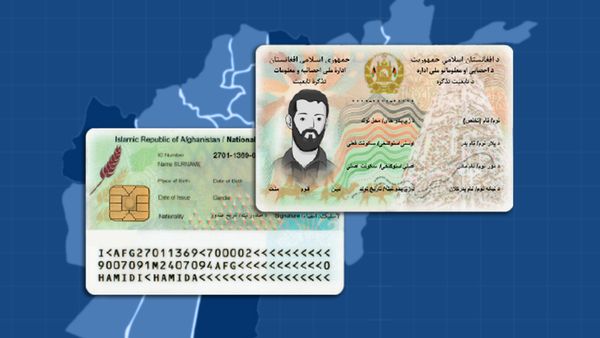
Sar-e Pol province's Statistics and Information Department distributed 48,023 citizenship tazkiras over the past year, including electronic and paper versions, and provided vital events registrations and tazkira corrections. Mufti Hamidullah Labib, the department head, also noted surveys on social, economic data, food prices and food security.
 Reliable
Eight People Drown in Farah River Over Past Two Months
Eight people have drowned in the Farah River in western Farah province over the past two months due to rising water levels, according to police spokesman Mullah Kalimullah Nangyal. He urged families to keep children away from the river and highlighted the unrecovered body of a recent drowning victim named Omid.
 Reliable
Afghan Activists Urge Melania Trump to Support Women and Girls' Rights
Around 100 Afghan human rights activists sent an open letter to Melania Trump urging her to advocate for Afghan women and girls deprived of education and public life. The letter cites her past advocacy and calls for public statements and meetings to highlight their plight.