
UNDP Head: Not Time to Turn Away from Afghanistan Amid Economic Challenges and Positive Signs
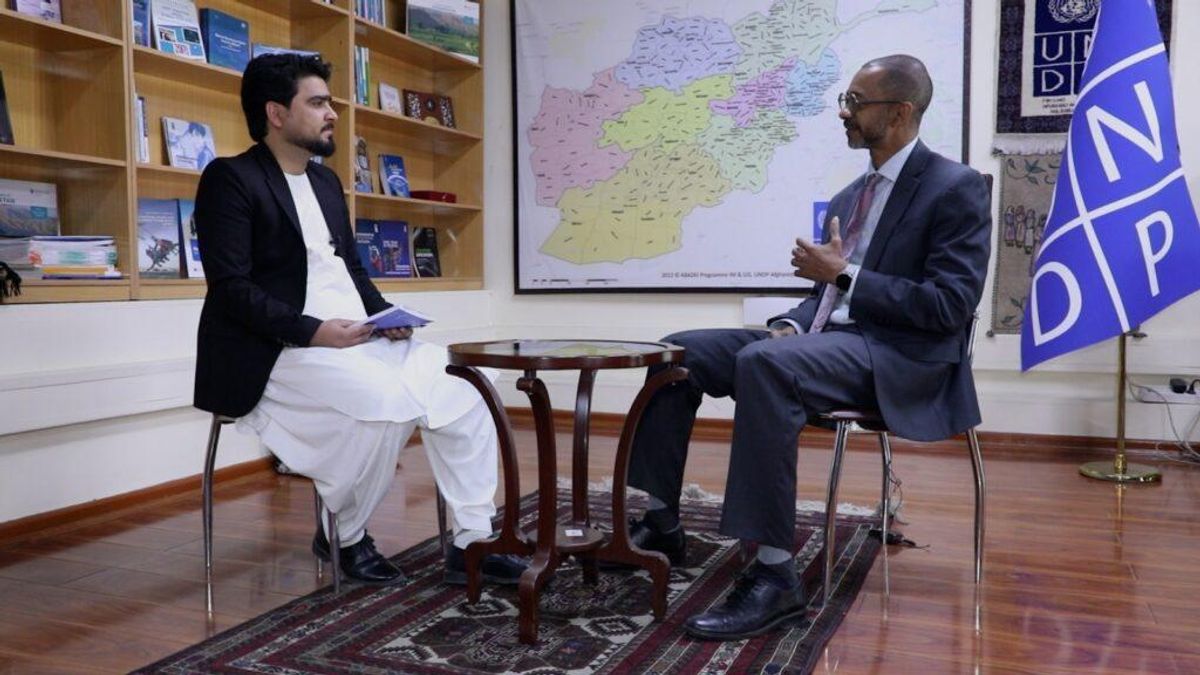
KABUL (Pajhwok) -- Stephen Rodriguez, head of the United Nations Development Programme (UNDP) for Afghanistan, said in an exclusive interview that the country faces serious economic and humanitarian problems but also shows positive progress, with continued global support key to stability and growth.
Rodriguez noted that according to the World Food Programme, about 17.4 million Afghans still need food assistance, while UNDP assessments indicate nearly 75% of the population lives in survival mode. Over the past 2.5 years, more than 5 million Afghans have returned from Iran and Pakistan, and drought, floods, and climate change have exacerbated economic woes.
He highlighted that for the first time in 40 years, relative peace and stability prevail, presenting a major opportunity for economic growth. The World Bank forecasts over 4% growth last year, with increased public trust in banking. The private sector is expanding, and the government is boosting revenue collection and infrastructure projects.
UNDP's priorities include job creation and livelihoods, access to basic services, and mitigating climate impacts, such as water management, check dams, and flood prevention. Only about 40% of Afghans have electricity access. Agriculture, which sustains 70% of the population, receives support through practical programs.
Post-poppy cultivation ban, UNDP has aided over 70,000 farmers with alternatives. It supported more than 80,000 businesses, creating around 430,000 jobs, and provided health services to over 2.5 million Afghans last year, including solar power for more than 200 clinics.
Rodriguez said restrictions on women cause significant economic losses -- estimated at $1.37 billion annually by the World Bank and $1.92 billion over the past two years by UNDP -- and have supported about 78,000 women-owned businesses. These curbs also hinder UN and international organizations' work, particularly women-only health and education services.
He urged the international community to invest in long-term development rather than disengaging, noting 400,000 youth graduate yearly needing jobs, and described Afghans as patient and resilient with a bright future.
More in Economy
Iran Reports 17-Fold Increase in Rail Shipments to Afghanistan
Rural Rehabilitation Minister: Projects Implemented in Remote Areas Where Needed

Inter-Ministerial Investment Committee Approves Commercial Market Plan in Sar-e Pol Center
Supreme Labor Council Discusses Creating New Job Opportunities Aligned with Market Needs
 Reliable
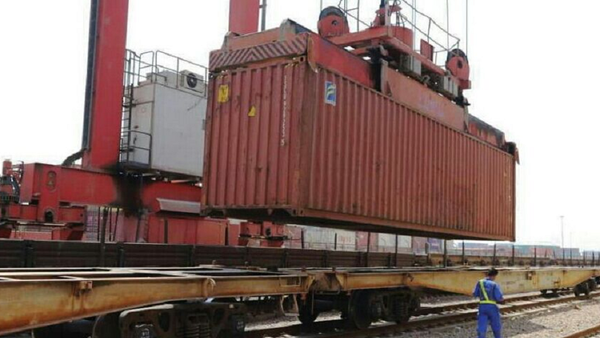
Iran Reports 17-Fold Increase in Rail Shipments to Afghanistan
Iran reports a 17-fold surge in rail shipments to Afghanistan, with goals for further increases, while Uzbekistan aims for $5 billion in bilateral trade and Pakistan resumes transit cargo movements to its ports.
 Reliable
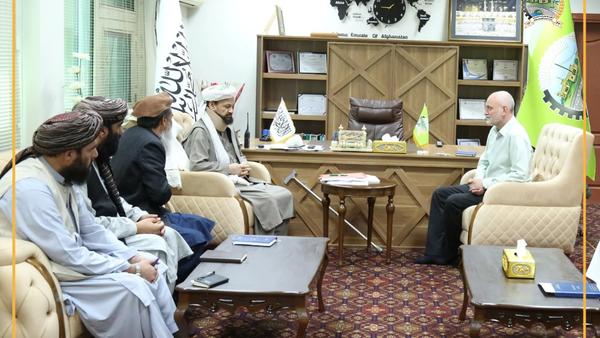
Rural Rehabilitation Minister: Projects Implemented in Remote Areas Where Needed
Afghanistan's Rural Rehabilitation and Development Minister Mullah Abdul Latif Mansour met with Dakar Institute head Peter Torning, stressing projects in remote areas and crediting security for nationwide implementation.
 Reliable
Inter-Ministerial Investment Committee Approves Commercial Market Plan in Sar-e Pol Center
Afghanistan's inter-ministerial investment committee approved a plan for a commercial market in Sar-e Pol province center and discussed private sector proposals for public facilities in Kabul. A follow-up committee will negotiate details and report back.
 Reliable
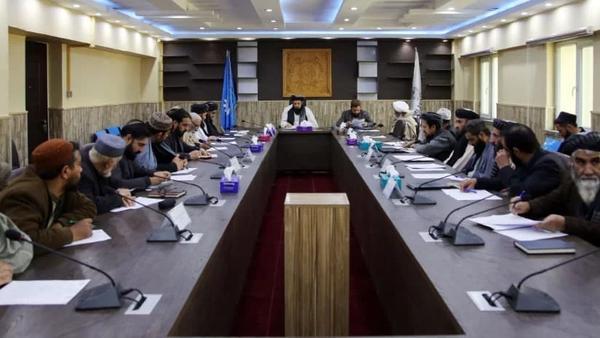
Supreme Labor Council Discusses Creating New Job Opportunities Aligned with Market Needs
Afghanistan's Supreme Labor Council discussed strategies to reduce unemployment, create market-aligned jobs, and prioritize employment for returnee migrants, deciding to form a coordination committee involving multiple ministries and the private sector.