
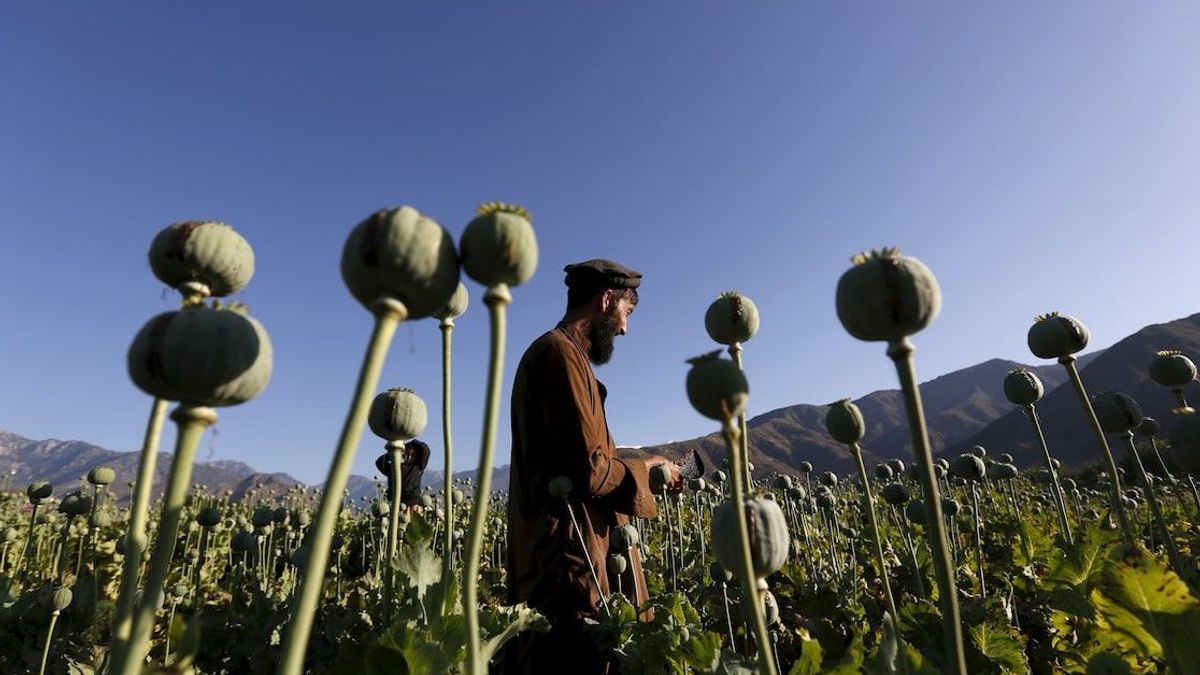
UNAMA says poppy cultivation shifted from southwest to northeast Afghanistan
The United Nations Assistance Mission in Afghanistan (UNAMA) stated in its quarterly report that poppy cultivation has shifted from southwest to northeast Afghanistan. It noted that economic and social conditions in former poppy-growing villages have worsened, with a shift to grain farming improving food access but failing to offset income losses. Agricultural support remains limited, covering only 12% of former poppy villages. From November 2025 to January 2026, aid reached 4,679 families for irrigation, crops, and livestock, while UN support extended to 24 drug treatment centers. UNAMA reported discussions with the Taliban and experts on poppy cultivation and alternative livelihoods.
On human rights, UNAMA documented 12 killings by Taliban members or unidentified individuals, 29 arbitrary detentions, and six cases of torture or ill-treatment against former government military personnel, many of whom were returning migrants. It recorded at least 316 corporal punishments by the Taliban, affecting 30 women, 281 men, one girl, and four boys, primarily for fleeing home, homosexuality, alcohol consumption, or gambling. The Taliban reported approximately 17,000 prisoners convicted by their courts, with pre-trial detainees uncounted.
UNAMA noted arbitrary arrests for social media posts opposing Taliban views, warnings to bookstores against selling banned books, and requirements for pre-publication approval. A ban on broadcasting live images expanded to 25 provinces, including recent additions of Herat, Parwan, and Uruzgan. At least 26 civilians died from unexploded ordnance, including six men, one woman, three girls, and 16 boys. A monitoring group confirmed 300 child rights violations, including 49 girls, with 75% involving killings, amputations, or school attacks.
Women's access to justice has deteriorated, with Taliban in some provinces denying services to women not adhering to preferred dress codes. Security incidents rose 27.8% to 2,660 events from November 2025 to January 2026. Anti-Taliban groups, including the National Resistance Front, National Mobilization Front, Islamic Movement for Freedom of Afghan People, and Freedom Front, claimed 36 incidents, 14 verified, involving shootings at posts and convoys, rockets, and grenades. ISIS claimed an attack on a Chinese restaurant in Kabul.
Know more about this story?
If you have additional information or believe something is inaccurate, let us know. Your tips help us stay accurate.
Sources (1)
More in Society
Afghanistan's National Environmental Protection Agency Urges Restraint from Hunting Migratory Birds

Role of Social Networks in Spreading Ethnicism in Afghanistan
Female Teachers in Jawzjan Report Job Suspensions and Replacements by Taliban Affiliates
Distribution of Land Plots Begins in Ghazni's Second Migrants' Town
 Reliable
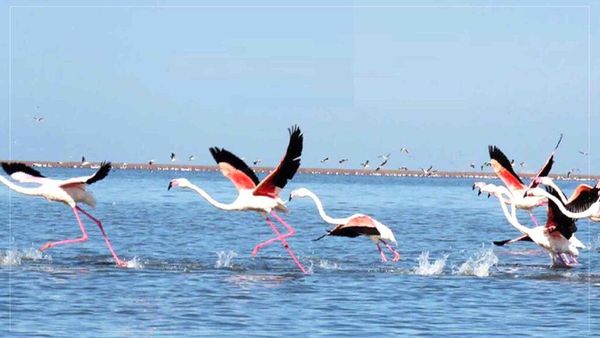
Afghanistan's National Environmental Protection Agency Urges Restraint from Hunting Migratory Birds
Afghanistan's National Environmental Protection Agency has issued notices urging citizens to refrain from hunting migratory birds during their passage season across specified provinces, based on a decree from the Prime Minister's Office. Security forces and locals are tasked with enforcement to protect biodiversity.
 Developing
Role of Social Networks in Spreading Ethnicism in Afghanistan
Social media platforms in Afghanistan have amplified ethnic divisions amid Taliban restrictions on public discourse, with political debates frequently turning into ethnic rivalries. Discussions on issues like federalism reveal deep divides, rooted in historical political failures and supremacist attitudes.
 Developing
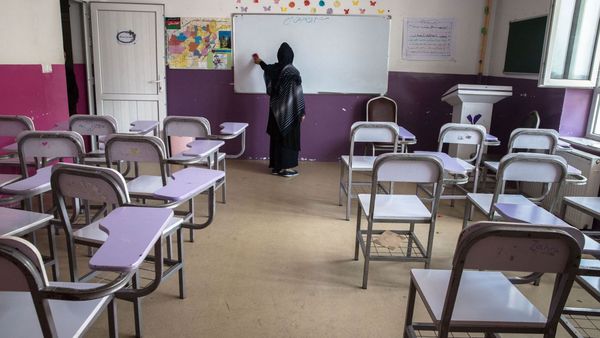
Female Teachers in Jawzjan Report Job Suspensions and Replacements by Taliban Affiliates
Female teachers at a high school in Jawzjan province allege Taliban suspensions, replacements by affiliates, remote transfers, and ethnic discrimination forcing resignations. Sources highlight economic pressures undermining the education system.
 Reliable
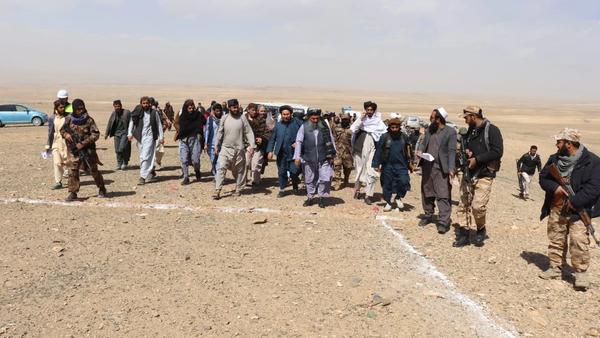
Distribution of Land Plots Begins in Ghazni's Second Migrants' Town
Molvi Najibullah Hayat Haqqani, Afghanistan's Minister of Urban Development and Housing, launched the distribution of 1,800 land plots in Ghazni's Second Migrants' Town. Plans for two more towns in Nawur and Muqur districts are underway amid the return of about 7,000 families.