

Role of Social Networks in Spreading Ethnicism in Afghanistan
The virtual space in Afghanistan has become one of the most important arenas for shaping public opinion in recent years. The expansion of internet access and widespread use of social networks such as X, Facebook, and TikTok have shifted much of the political and social discourse, particularly under political deadlock and Taliban restrictions on public activities, from physical spaces to digital platforms. While providing opportunities for exchange and awareness, this space has also intensified ethnic divides. Analysis of online discussions, especially in X Spaces, tweets, Facebook posts, and TikTok videos, indicates a rise in ethnic tendencies among users, particularly youth.
A key factor is the intense politicization of social media debates. In many X Spaces hosted by political and social activists, topics include Afghanistan-Pakistan relations, Taliban-Pakistan conflicts, the Durand Line issue, historical events, and Afghanistan's future political system. These ostensibly political and geopolitical matters quickly take on ethnic tones. Users often engage not based on political analysis or national interests but through ethnic identities, defending views tied to their ethnic affiliations.
This blurs the line between politics and ethnicity in Afghan virtual spaces. Many users, especially the younger generation, view political issues through an ethnic lens, turning discussions into ethnic narrative clashes. For instance, debates on the future political system link to ethnic shares in power, with claims of past injustices or current marginalization.
Debates over the future political system, particularly federalism, are contentious. Some users and intellectuals support federalism to decentralize power, distribute authority more equitably, and reduce historical tensions between regions and ethnic groups, fostering local participation and alleviating political marginalization. Opponents, however, often reject it emotionally, equating it with national disintegration without substantive legal, historical, or political critique.
Underlying causes include politicians' and elites' failure to manage ethnic diversity, instead exploiting divides for mobilization, perpetuating ethnic political competition now reproduced online. Supremacist attitudes among some groups highlight one ethnicity's history or culture over others, fostering reciprocal sensitivities. A lack of flexible dialogue culture leads to rigid, destructive exchanges.
Know more about this story?
If you have additional information or believe something is inaccurate, let us know. Your tips help us stay accurate.
Sources (1)
More in Society

Afghanistan's National Environmental Protection Agency Urges Restraint from Hunting Migratory Birds
Female Teachers in Jawzjan Report Job Suspensions and Replacements by Taliban Affiliates
Distribution of Land Plots Begins in Ghazni's Second Migrants' Town
Afghanistan's Ministry of Public Health destroys 1,290 tons of substandard medicines and food
 Reliable
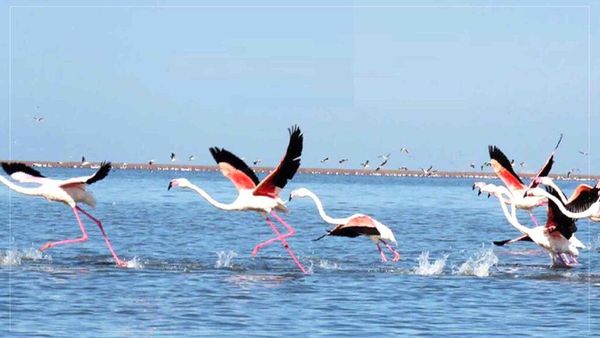
Afghanistan's National Environmental Protection Agency Urges Restraint from Hunting Migratory Birds
Afghanistan's National Environmental Protection Agency has issued notices urging citizens to refrain from hunting migratory birds during their passage season across specified provinces, based on a decree from the Prime Minister's Office. Security forces and locals are tasked with enforcement to protect biodiversity.
 Developing
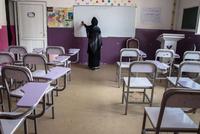
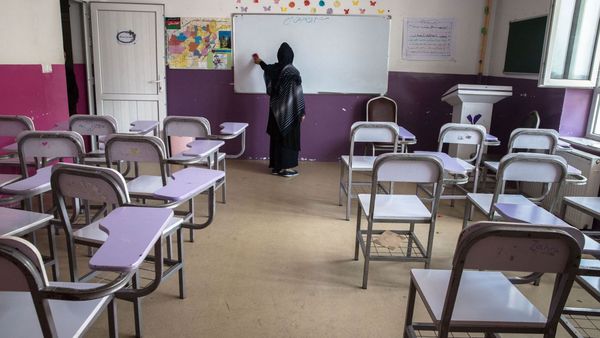
Female Teachers in Jawzjan Report Job Suspensions and Replacements by Taliban Affiliates
Female teachers at a high school in Jawzjan province allege Taliban suspensions, replacements by affiliates, remote transfers, and ethnic discrimination forcing resignations. Sources highlight economic pressures undermining the education system.
 Reliable
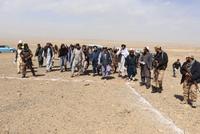
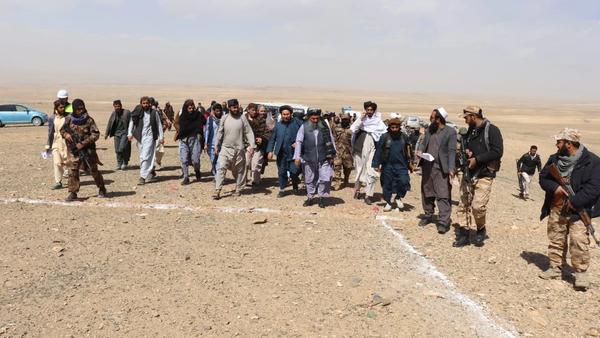
Distribution of Land Plots Begins in Ghazni's Second Migrants' Town
Molvi Najibullah Hayat Haqqani, Afghanistan's Minister of Urban Development and Housing, launched the distribution of 1,800 land plots in Ghazni's Second Migrants' Town. Plans for two more towns in Nawur and Muqur districts are underway amid the return of about 7,000 families.
 Reliable
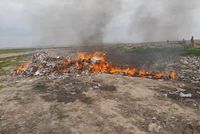
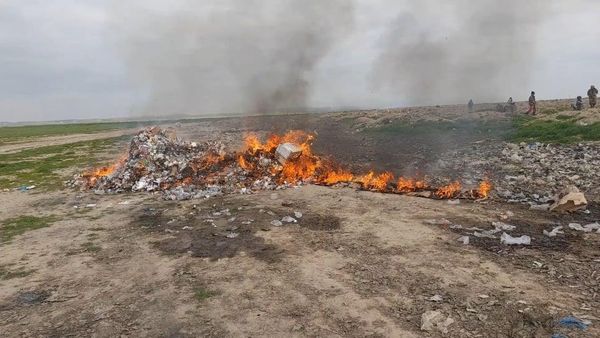
Afghanistan's Ministry of Public Health destroys 1,290 tons of substandard medicines and food
Afghanistan's Ministry of Public Health has destroyed 1,290 tons of substandard, expired and illegal medicines, food and health products this solar year, spokesperson Dr. Sharafuddin Zamani said.