
UN Security Council Updates Sanctions List with 22 Taliban Officials
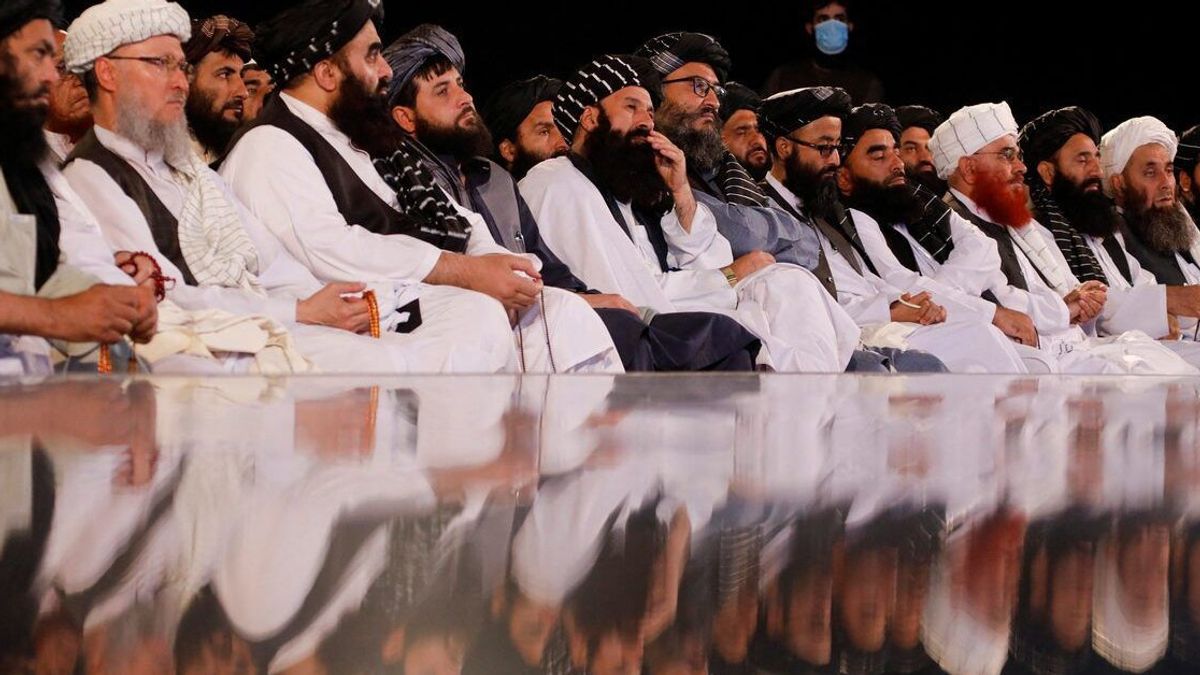
The UN Security Council's Sanctions Committee has updated its list of Taliban members and senior officials subject to sanctions, adding 22 individuals including Prime Minister Mohammad Hassan Akhund.
The updated list, published on 19 Hoot (March), includes Prime Minister Hassan Akhund, Deputy Prime Minister for Economic Affairs Abdul Ghani Baradar, Interior Minister Sirajuddin Haqqani, Foreign Minister Amir Khan Muttaqi and others such as Administrative Deputy Abdul Salam Hanfi, Refugees and Repatriates Minister Abdul Kabir, Agriculture Minister Abdul Latif Mansoor, Transport Minister Mohammad Fazil Mazlum, former Higher Education Minister Abdul Baqi Haqqani, Economy Minister Din Mohammad Hanif, Public Works Minister Mohammad Isa Akhund, Urban Development Minister Najibullah Haqqani, Intelligence Chief Abdul Haq Waseeq and Wardak Governor Khairullah Khairkhwah. Additional names include Hamidullah Akhund, Azizur Rahman, Gul Agha Esheqzai, Malik Nooruzi and Ahmad Zia Agha.
Taliban leader Hibatullah Akhundzada is notably absent from the list, with the reason unclear.
The sanctions, imposed pursuant to UN Security Council Resolution 1988, include travel bans, asset freezes and arms embargoes. They target individuals involved in violence, weapons supply, recruitment or activities threatening peace and stability in Afghanistan. Individuals on the list require Security Council permission to travel to UN member states.
The British government updated its own sanctions list one day after the UN action, removing passport details of some Pakistani officials.
On 23 Dal, the Security Council unanimously extended the mandate of the Taliban sanctions monitoring team for another year in a US-drafted resolution.
The Taliban has repeatedly demanded the lifting of these sanctions during its more than four years in power, but the measures continue amid terrorist activity on Afghan soil, discrimination against women and the lack of an inclusive government.
Know more about this story?
If you have additional information or believe something is inaccurate, let us know. Your tips help us stay accurate.
Sources (1)
More in Politics
Taliban Releases 408 Prisoners from Kandahar and Herat Prisons for Eid
Jamiat Ulema-e-Islam Pakistan Leader Criticizes Islamabad's Foreign Policy for Alienating Regional Partners
Analyst Mohammad Hashem Alkozi Affirms Public Support for Defense and Security Forces
Sultan Ali Keshtmand's Career as Afghan Prime Minister Under PDPA Governments
 Reliable
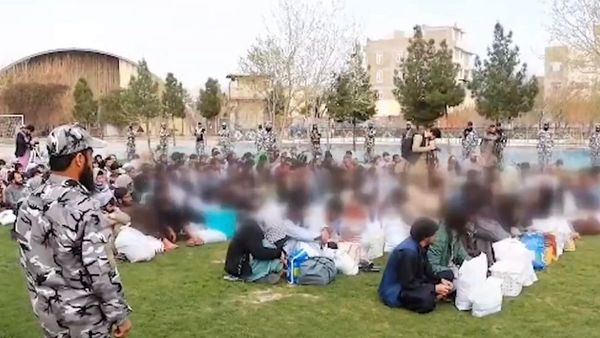
Taliban Releases 408 Prisoners from Kandahar and Herat Prisons for Eid
The Taliban released 408 prisoners, including women and children, from prisons in Kandahar and Herat for Eid and reduced sentences for 546 others. Local sources reported Pakistani airstrikes on Mullah Hibatullah's special forces unit in Kandahar.
 Reliable
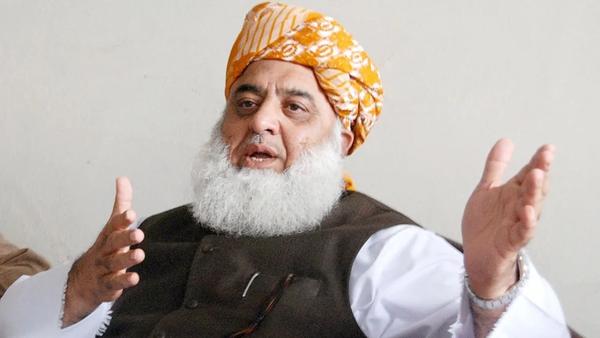
Jamiat Ulema-e-Islam Pakistan Leader Criticizes Islamabad's Foreign Policy for Alienating Regional Partners
Mawlana Fazl al-Rahman, leader of Jamiat Ulema-e-Islam Pakistan, criticized Pakistan's foreign policy for straining ties with Afghanistan, Iran and China, including halting CPEC projects due to mistrust. He called for respectful diplomacy and dismissed Islamabad's accusations against Kabul as political.
 Reliable
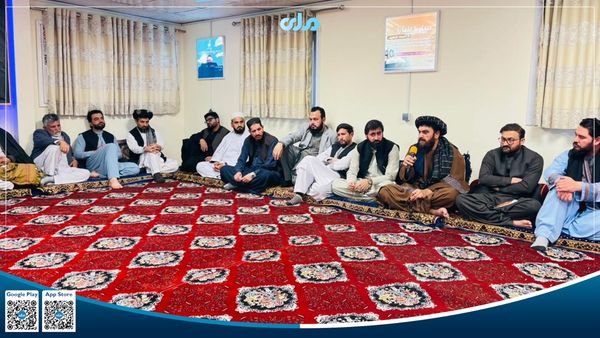
Analyst Mohammad Hashem Alkozi Affirms Public Support for Defense and Security Forces
Political analyst Mohammad Hashem Alkozi declared at an RTA coordination meeting that all Afghans support the defense and security forces, urging saboteurs abroad to avoid treason and pledging readiness to fight on the Islamic Emirate's command.
 Reliable
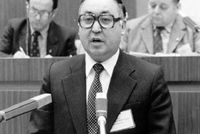
Sultan Ali Keshtmand's Career as Afghan Prime Minister Under PDPA Governments
Sultan Ali Keshtmand, a key Parcham faction figure in the PDPA, served nearly ten years as Afghanistan's prime minister under Babrak Karmal and Najibullah. He resigned from the party in 1991 and relocated to London.