
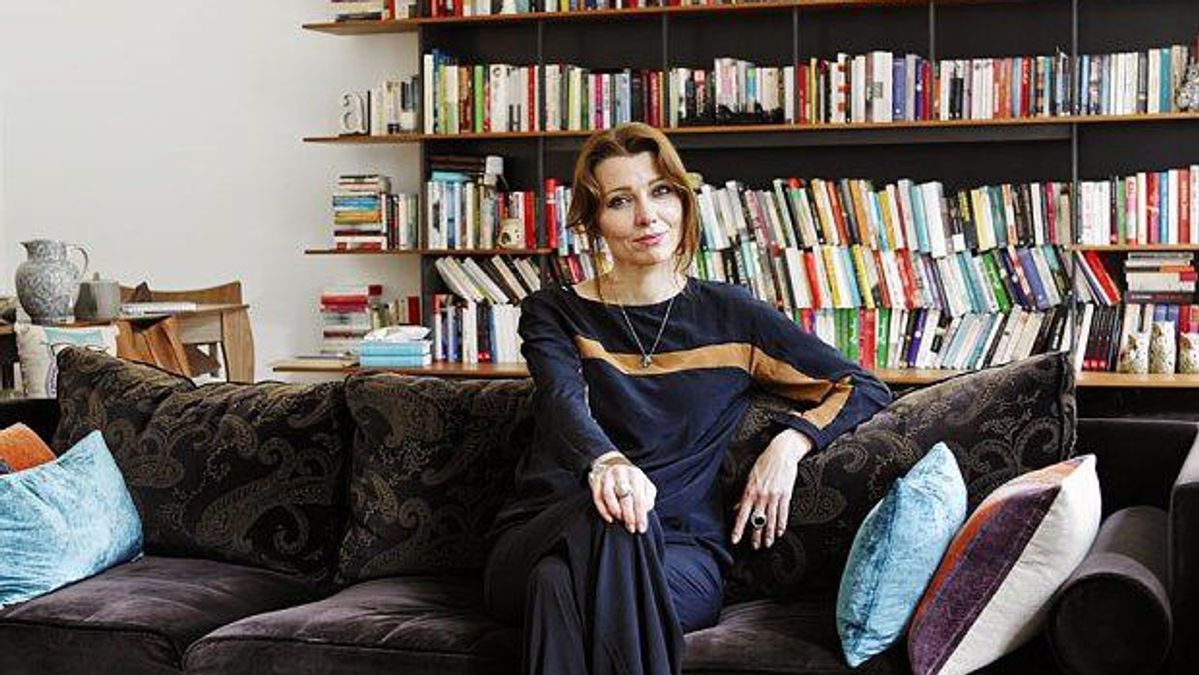
Turkish author says Taliban penal code endorses family violence, gender-based violence
Turkish author Elif Shafak criticized the Taliban's recently approved penal code principles, describing the development as 'deeply concerning' and overlooked by the global community.
In an Instagram post on Sunday, Shafak said the document establishes a class system of 'high and low' people, positioning women as 'slaves' and husbands as automatic 'slave owners.' She argued it endorses various forms of oppression, including family violence and gender-based violence, and could pave the way for femicide. Shafak added that the implications extend beyond women to children and the poor, urging the international community not to ignore recent legal changes in Afghanistan.
The remarks come as the Taliban have begun implementing the penal code despite protests and criticism. Three local and informed sources said that in the first reported case, the Taliban sentenced a man in Jahandosti village, Balamorghab district of Badghis province, to one year in prison and 39 lashes for insulting the Taliban leader.
Following the Taliban leader's approval, several controversial articles in the 10-chapter, 119-article penal code have drawn backlash. Critics, including some religious scholars, contend the provisions suppress people, violate human rights, contradict Islamic principles, and grant the Taliban authority to issue rulings on permissible or forbidden matters.
The scholars said the code conflicts with Islamic teachings and empowers the Taliban unduly. Human rights organizations had previously warned about references to 'slavery' in the document, heavy punishments for the public, and exemptions for the Taliban and their supporters. The Taliban have threatened legal action against critics without responding to the objections.
More in Society

Afghan Kun Khmer athletes win five medals at world championships
WHO Warns Failure to Vaccinate Returnee Children in Afghanistan Raises Disease Outbreak Risk
UN OCHA: Mental Health Activities Banned in Afghanistan
UNICEF: Assisted More Than 20 Million People in Afghanistan in 2025
 Reliable
Afghan Kun Khmer athletes win five medals at world championships
Afghan Kun Khmer athletes won two silver and three bronze medals at the sixth World Championships in Cambodia, finishing 13th overall.
 Reliable
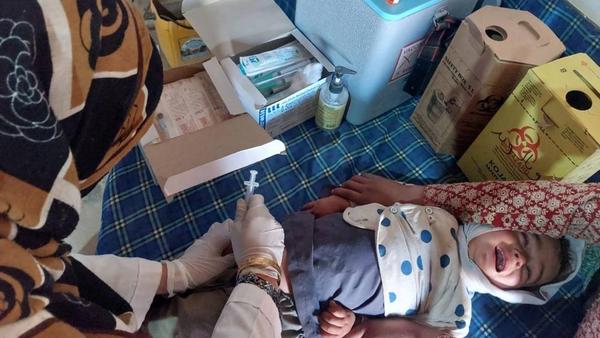
WHO Warns Failure to Vaccinate Returnee Children in Afghanistan Raises Disease Outbreak Risk
The World Health Organization warns that unvaccinated children returning to Afghanistan increase the risk of disease outbreaks like measles and polio, urging registration in the national vaccination system.
UN OCHA: Mental Health Activities Banned in Afghanistan
UN OCHA reports that mental health and psychosocial support activities are banned in Afghanistan, heavily impacting women who rely on these services. Humanitarian access constraints persist at medium severity in 60% of districts amid Taliban interference and restrictions on female aid workers.
 Reliable
UNICEF: Assisted More Than 20 Million People in Afghanistan in 2025
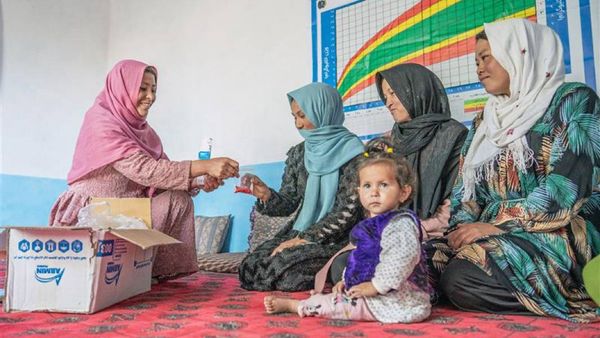
UNICEF reported providing aid to over 20 million people in Afghanistan in 2025, including 11 million children, focusing on education, health, water, nutrition, and psychosocial support.