
Taliban Halts Medicine Imports from Pakistan, Leading to Price Hikes and Quality Concerns in Afghanistan
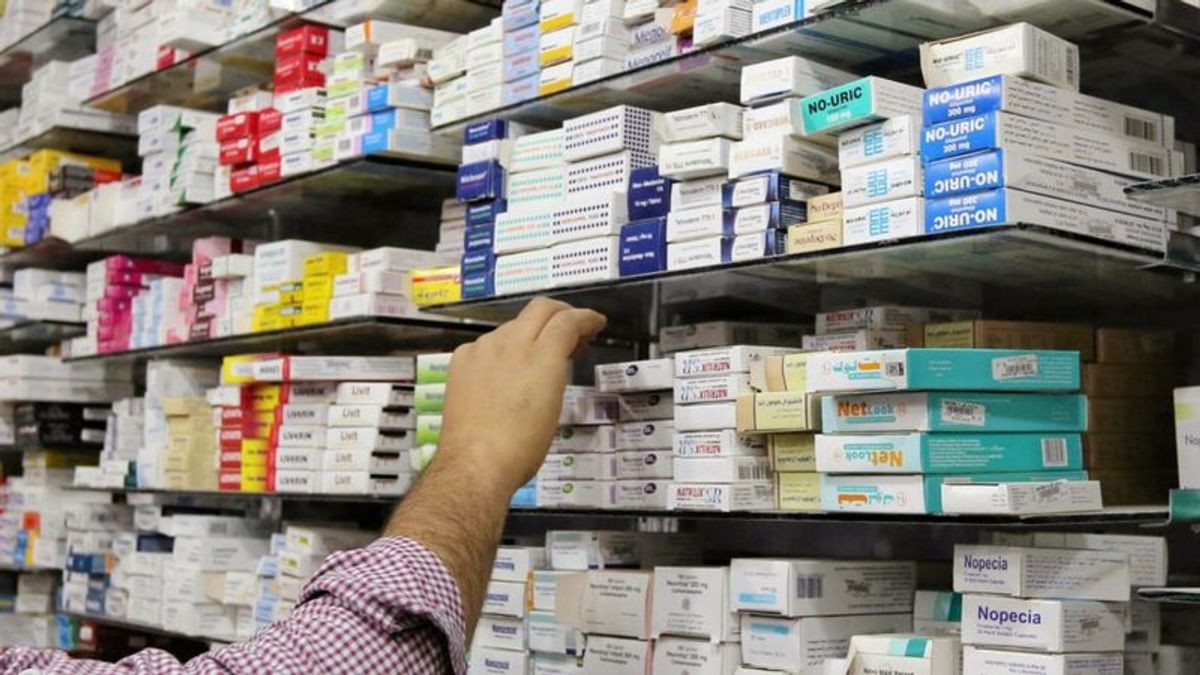
Following a Taliban order to completely halt medicine imports from Pakistan, drug prices in Afghanistan have risen sharply, raising serious concerns among doctors and patients.
Doctors note that Pakistan has been the cheapest and most accessible source due to geographic proximity, with even Indian imports typically transiting through Pakistan. They express doubts about the quality of some Indian drugs, citing past experiences where countries faced issues. Pharmacists confirm that closing the Pakistan transit route and halting direct imports has increased prices of drugs from other countries by about 20 percent, while previously imported Pakistani drugs and others have risen two to three times.
Doctors, pharmacists, and patients report severe worries over escalating prices and the proliferation of low-quality drugs. Local production and Indian alternatives have reportedly caused side effects, with patients returning after one day, sometimes insulting physicians. An anonymous doctor in Ghor province highlighted additional restrictions on health centers, including deaths of women due to a lack of female specialists and staff at Ghor hospital corridors. He warned that poor residents of Ghor would suffer most.
The Ghor doctor stated that most commercial drugs (Iranian, Indian, Turkish) and local products lack sufficient quality. Patients previously using Pakistani brands like GSK, Abbott Laboratories, and Sanofi now face issues with substitutes. For instance, a patient improved on Pakistani Alsank (sucralfate) syrup and Nexium (esomeprazole) capsules but worsened severely after switching to Indian versions, experiencing breathing difficulties. Indian Q-Ginko syrup caused diarrhea, nausea, and dizziness in three patients, while Polyfine multivitamins led to kidney problems and digestive issues.
Prices have surged: Indian esomeprazole (Wonon) capsules rose from 68-70 afghanis to over 100 afghanis per pack. Stockpiled Pakistani drugs like Gausskan anti-acid syrup jumped from 32 to 88 afghanis. Dr. Nesim Saba commented on the Indian drug market compared to Pakistan.
Know more about this story?
If you have additional information or believe something is inaccurate, let us know. Your tips help us stay accurate.
More in Economy
US Supreme Court overturns Trump's sweeping tariffs
India Seizes 46 Containers of Chinese Almonds Imported as Afghan Products
Afghanistan Exports 56 Tons of Saffron Worth $54 Million in 2025

Pakistan examines Afghanistan's role in strengthening trade ties with Central Asia
 Reliable
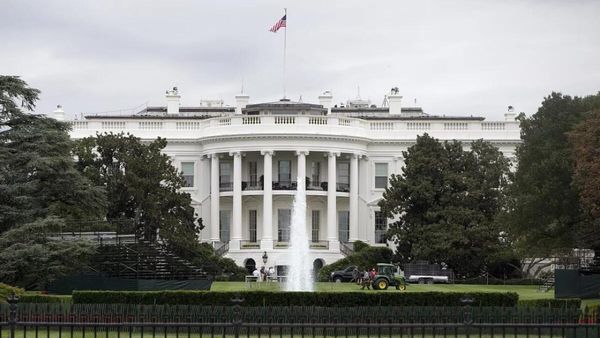
US Supreme Court overturns Trump's sweeping tariffs
The US Supreme Court struck down Donald Trump's global tariffs in a 6-3 ruling, finding he exceeded his authority under a 1977 emergency law. Markets reacted positively, with stocks rising amid warnings of potential future legal battles.
 Unconfirmed
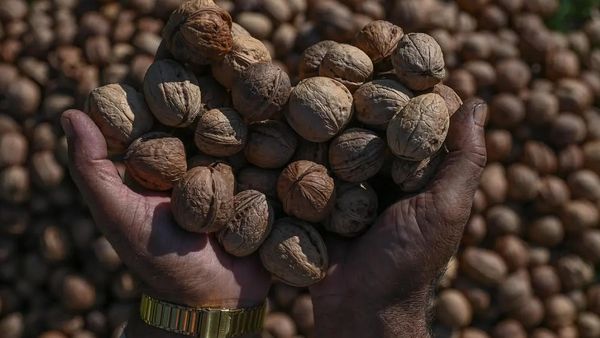
India Seizes 46 Containers of Chinese Almonds Imported as Afghan Products
Indian customs officials at Mumbai's Nhava Sheva port confiscated 46 containers of Chinese almonds falsely labeled as Afghan imports to evade $5.6 million in taxes, according to a report cited by Ariana News.
 Reliable
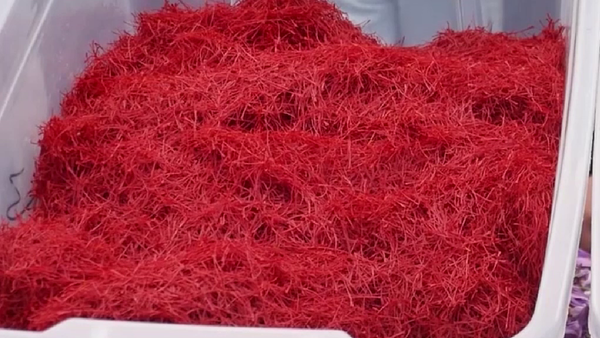
Afghanistan Exports 56 Tons of Saffron Worth $54 Million in 2025
Afghanistan exported 56 tons of saffron worth $54 million in 2025, a 10% increase from the prior year, with shipments to multiple countries including India and the US. The product also secured the top global quality award for the tenth straight year.
 Reliable
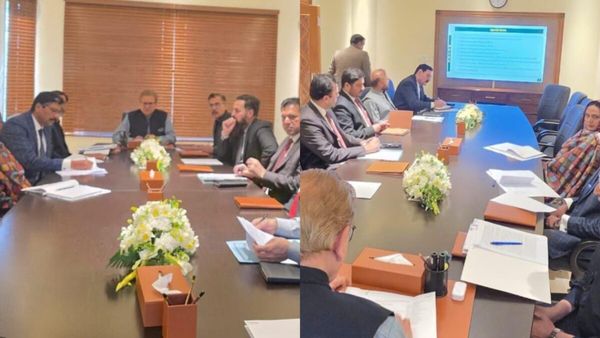
Pakistan examines Afghanistan's role in strengthening trade ties with Central Asia
Pakistan's special envoy for Afghanistan, Mohammad Sadiq, led a meeting assessing Afghanistan's potential to enhance Pakistan's trade and transit links with Central Asia, as border crossings remain shut due to Taliban-Pakistan tensions.