
Taliban Economy Ministry: Over $1 Billion in Aid Allocated to Afghanistan in 2025
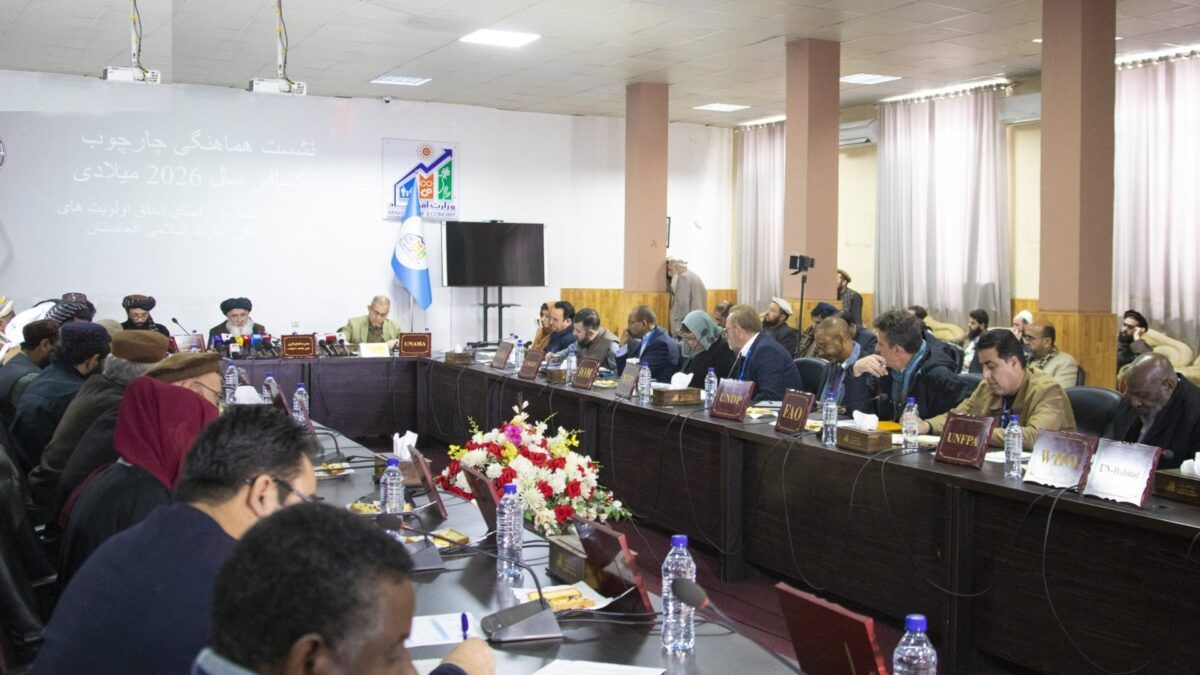
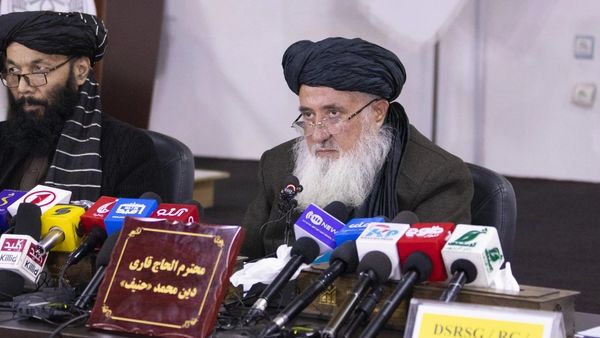
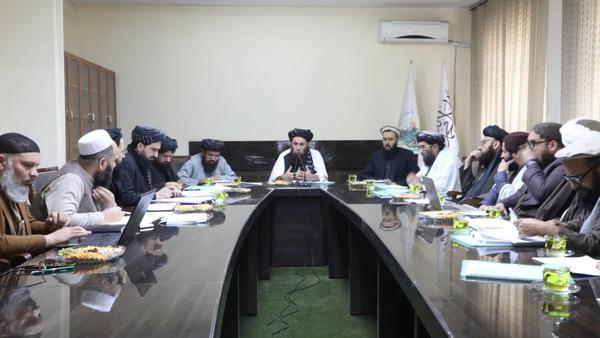
The Taliban Ministry of Economy announced a coordination meeting with United Nations agencies, stating that based on its statistics, $1.009 billion in aid was allocated to Afghanistan in 2025.
Of this amount, $590 million was spent on projects, with the remainder allocated for salaries, perks, offices, equipment, and assets, according to the ministry's statement.
The meeting on Tuesday was attended by Andrika Retoate, deputy special representative of the United Nations Assistance Mission in Afghanistan (UNAMA), heads of UN offices in Afghanistan, European Union representatives, and officials from several international organizations.
Taliban Economy Minister Din Mohammad Hanif expressed gratitude to the UN agencies, the EU, and all international partners for standing by the Afghan people during difficult years.
Hanif stated that Afghanistan faced a range of economic, social, and climatic challenges in 2025, including the impacts of climate change and natural disasters, the forced deportation of more than two million migrants from neighboring countries and their return, ongoing sanctions and frozen foreign reserves, and an unprecedented reduction in developmental and humanitarian aid, all of which directly affected the livelihoods of vulnerable segments of society.
Despite these challenges, he said efforts were made to maintain relative economic stability and increase growth compared to the previous year. These included strengthening economic management, supporting domestic production, focusing public and private investment on job-creating sectors, backing the private sector, facilitating business activation, stabilizing exchange rates, developing exports, implementing national infrastructure projects, controlling inflation, and increasing domestic revenues.
Hanif noted that the United Nations played an effective role in responding to the urgent needs of the Afghan people.
According to statistics from the UN Office for the Coordination of Humanitarian Affairs (OCHA), humanitarian aid in 2025 saw a significant decrease compared to the previous year. Of the $2.4 billion needed, only 36 percent, or $870 million, was obtained.
UN agencies have not yet commented on the meeting.
More in Economy
Taliban Economy Minister Acknowledges Negative Impact of Reduced Foreign Aid on Meeting People's Needs
Taliban Confirms Rise in Medicine Prices After Banning Imports from Pakistan
Belarus Agrees to Increase Exports to Afghanistan
Board Meeting of Nangarhar Valley Agrarian Company Held
 Reliable
Taliban Economy Minister Acknowledges Negative Impact of Reduced Foreign Aid on Meeting People's Needs
Taliban Economy Minister Din Mohammad Hanif admitted that cuts in foreign aid have hindered efforts to meet Afghans' needs amid sanctions and other pressures, while claiming successes in economic management. He spoke at a meeting with UN and EU representatives, citing shortfalls in pledged humanitarian funding.
 Reliable
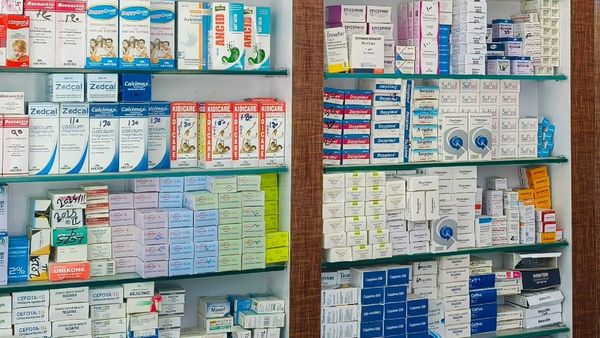
Taliban Confirms Rise in Medicine Prices After Banning Imports from Pakistan
The Taliban confirmed reports of up to 40 percent medicine price increases in Kabul following their ban on imports from Pakistan, urging importers to find alternatives amid higher transport costs via Iran.
 Reliable
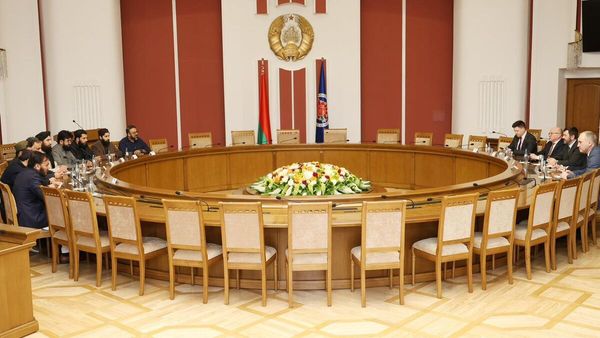
Belarus Agrees to Increase Exports to Afghanistan
Afghan officials from the National Development Company agreed with Belarusian counterparts, including First Deputy Foreign Minister Sergei Lukashovich, to increase exports of equipment and goods to Afghanistan across multiple sectors including industry, agriculture, health, and education.
 Reliable
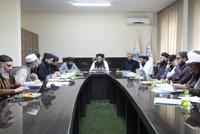
Board Meeting of Nangarhar Valley Agrarian Company Held
The board of directors of the Nangarhar Valley Agrarian Company met to discuss financial and commercial plans for the coming year, emphasizing strengthened production capacity. The meeting was chaired by Deputy Minister of Agriculture Maulvi Sadr Azam Usmani and attended by senior officials from multiple ministries.