
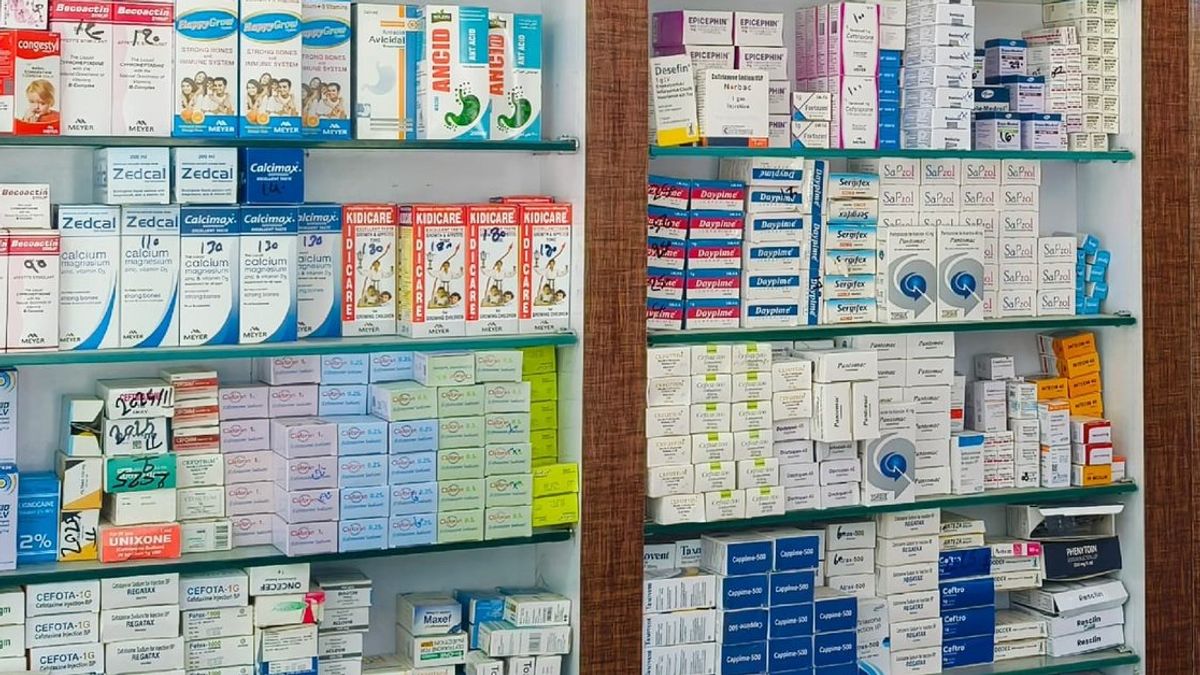
Taliban Confirms Rise in Medicine Prices After Banning Imports from Pakistan
Afghanistan International reported that three months after the Taliban's order to halt medicine imports from Pakistan, prices in Kabul's markets have increased by up to 40 percent.
In Kartik, the Taliban announced an end to Afghanistan's decades-long dependence on Pakistani medicine imports, urging importers to find "alternative and legal" sources. The ban took effect this month. Previously, Afghanistan imported more than half of its required medicines from Pakistan.
Abdul Qayyum Nasir, spokesman for the Taliban's Ministry of Finance, confirmed that the administration has instructed importers to seek alternative sources to replace Pakistani medicines.
France 24, citing Kabul pharmacists, reported shortages of some medicines alongside price increases. One pharmacist said certain drugs have become scarce while others have seen price hikes, attributing higher costs to imports via Islam Qala on the Iran border, which have raised transport expenses by 10 to 15 percent.
France 24 quoted an anonymous pharmaceutical industry source, who cited security concerns for not being named, as saying transport costs, previously 6 to 7 percent of total medicine costs, now account for 25 to 30 percent. The source added that losses to traders amount to millions of dollars.
The Taliban and Pakistan clashed in Miizan this year, with borders still affected by prior violence.
More in Economy
Taliban Economy Ministry: Over $1 Billion in Aid Allocated to Afghanistan in 2025
Taliban Economy Minister Acknowledges Negative Impact of Reduced Foreign Aid on Meeting People's Needs
Belarus Agrees to Increase Exports to Afghanistan
Board Meeting of Nangarhar Valley Agrarian Company Held
 Reliable
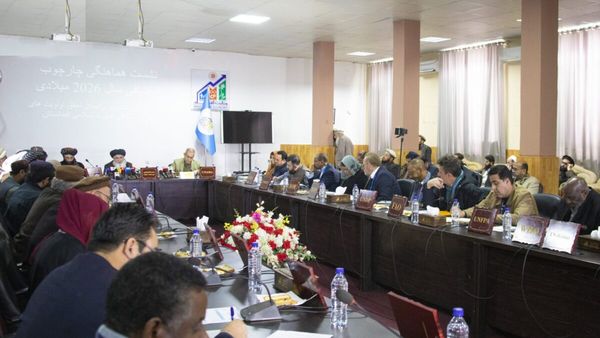
Taliban Economy Ministry: Over $1 Billion in Aid Allocated to Afghanistan in 2025
Taliban Economy Minister Din Mohammad Hanif reported that $1.009 billion in aid was allocated to Afghanistan in 2025, with $590 million spent on projects amid economic challenges and reduced humanitarian funding.
 Reliable
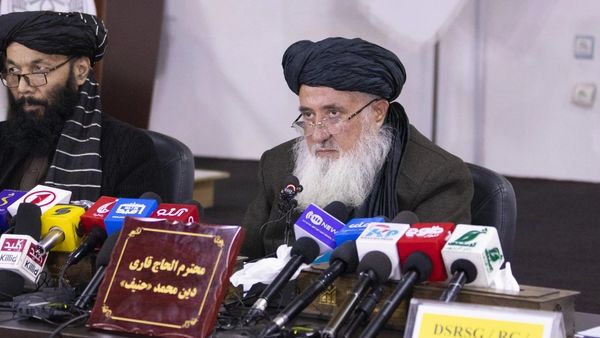
Taliban Economy Minister Acknowledges Negative Impact of Reduced Foreign Aid on Meeting People's Needs
Taliban Economy Minister Din Mohammad Hanif admitted that cuts in foreign aid have hindered efforts to meet Afghans' needs amid sanctions and other pressures, while claiming successes in economic management. He spoke at a meeting with UN and EU representatives, citing shortfalls in pledged humanitarian funding.
 Reliable
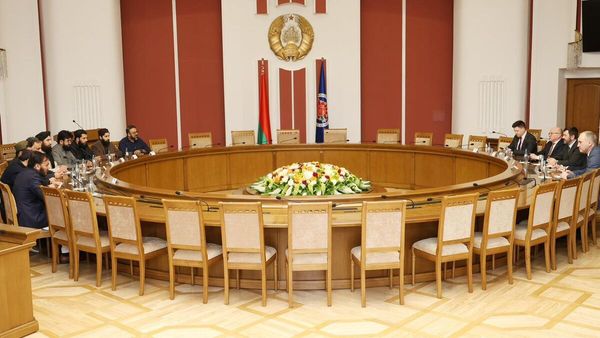
Belarus Agrees to Increase Exports to Afghanistan
Afghan officials from the National Development Company agreed with Belarusian counterparts, including First Deputy Foreign Minister Sergei Lukashovich, to increase exports of equipment and goods to Afghanistan across multiple sectors including industry, agriculture, health, and education.
 Reliable
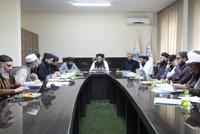
Board Meeting of Nangarhar Valley Agrarian Company Held
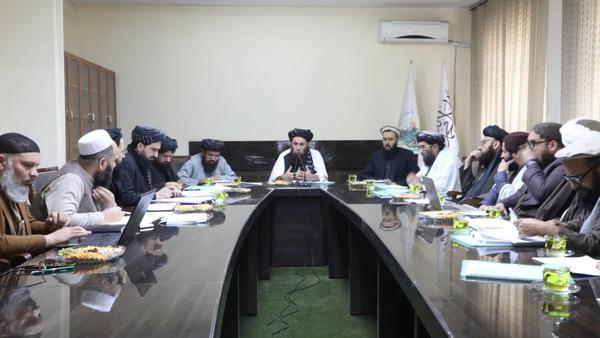
The board of directors of the Nangarhar Valley Agrarian Company met to discuss financial and commercial plans for the coming year, emphasizing strengthened production capacity. The meeting was chaired by Deputy Minister of Agriculture Maulvi Sadr Azam Usmani and attended by senior officials from multiple ministries.