
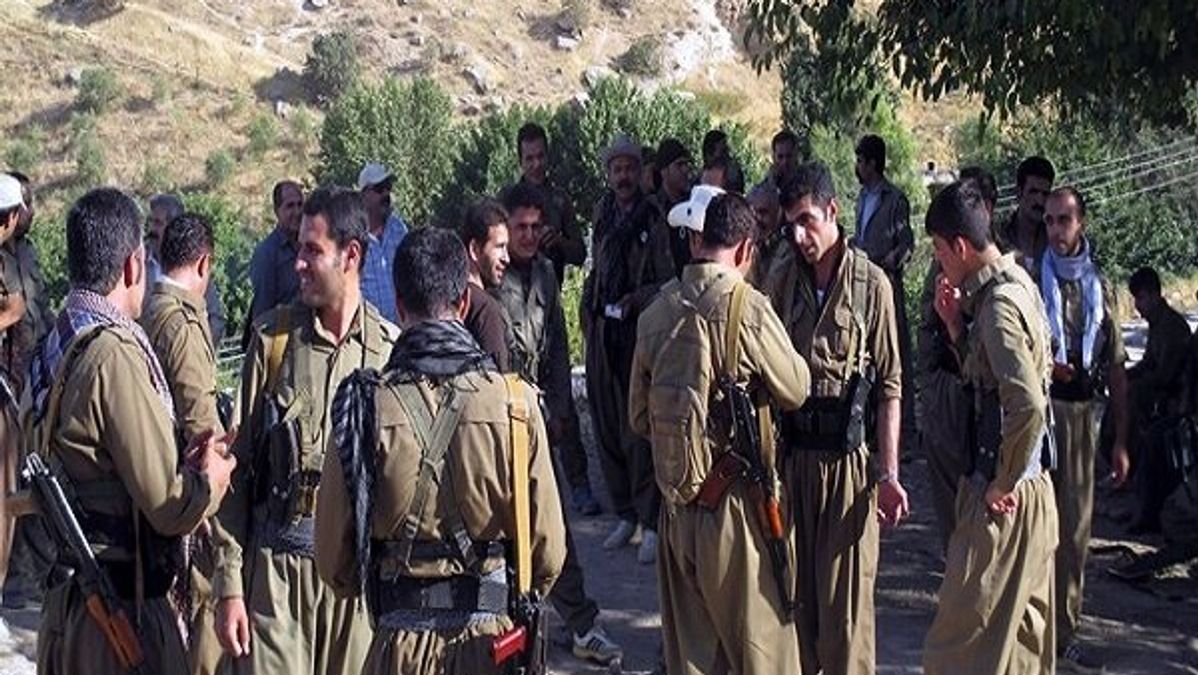
Syrian Kurds warn Iranian Kurds against cooperation with U.S. against Tehran
Kurdish leaders in northeastern Syria have warned Iranian Kurdish groups against cooperating with the United States to confront the government in Tehran, drawing from their own experiences.
Syrian Kurdish forces previously collaborated closely with the United States in the fight against ISIS and helped establish autonomous areas in northern Syria. However, as Syrian government forces advanced toward Kurdish-controlled regions, Washington encouraged the Kurdish fighters to integrate with Syrian state forces, leading many Kurdish leaders to feel abandoned.
Ahmad Barakat, head of the Kurdish Progressive Democratic Party in Syria, stated that cooperation with the United States against the Iranian government could ultimately harm Iranian Kurds and should be approached with caution.
Israel has held discussions over the past year with Iranian Kurdish opposition groups based in Iraq’s Kurdistan region, according to reports.
Kurds form a large ethnic group across Iran, Iraq, Turkey, Syria and parts of Armenia, with many Kurdish movements seeking greater autonomy or independence for decades. Despite political struggles and armed efforts, aspirations for an independent state have largely gone unfulfilled.
Analysts note that Kurdish groups often navigate complex alliances with regional and global powers, which can shift rapidly based on geopolitical interests. The experience of Syrian Kurds has become a cautionary example for other Kurdish movements considering partnerships with major powers.
Know more about this story?
If you have additional information or believe something is inaccurate, let us know. Your tips help us stay accurate.
Sources (1)
More in International

US-Iran War Enters 16th Day as White House Aide Urges Withdrawal, Trump Rejects Ceasefire

India Faces Gas Shortages Due to Strait of Hormuz Closure Amid Middle East Tensions

Netanyahu's Office Denies Viral Social Media Rumors of His Death

European Union Extends Sanctions Against More Than 2,600 Russian Individuals and Entities Until September
 Reliable
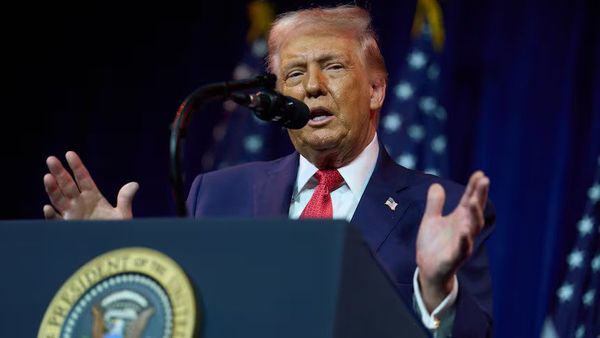
US-Iran War Enters 16th Day as White House Aide Urges Withdrawal, Trump Rejects Ceasefire
The US-Iran war, now in its 16th day, features conflicting U.S. positions: a White House aide urging withdrawal while President Trump rejects a ceasefire, amid mutual claims of heavy damage from strikes and counterstrikes.
 Developing
India Faces Gas Shortages Due to Strait of Hormuz Closure Amid Middle East Tensions
India is experiencing severe gas shortages with long lines at distribution centers due to Iran's closure of the Strait of Hormuz amid US-Israel tensions, halting about one-fifth of global oil and gas supplies. Iran recently allowed two Indian LNG carriers to pass, while analysts warn of a potential energy crisis if the conflict continues.
 Reliable
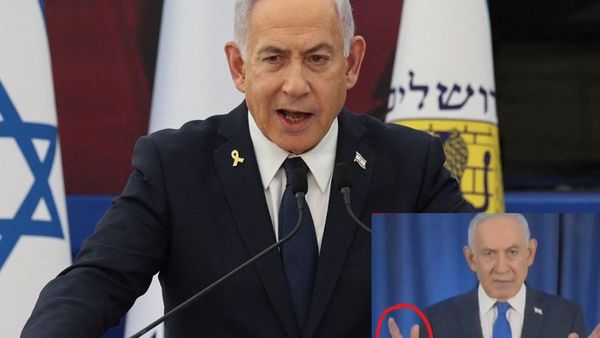
Netanyahu's Office Denies Viral Social Media Rumors of His Death
Israeli Prime Minister Benjamin Netanyahu's office denied viral social media rumors of his death amid the Israel-US-Iran conflict, confirming he is safe and well. Fact-checks debunked fabricated screenshots and claims of AI manipulation in a video of him speaking.
 Reliable
European Union Extends Sanctions Against More Than 2,600 Russian Individuals and Entities Until September
The European Union has extended sanctions against more than 2,600 Russian individuals and entities until September 15, targeting those undermining Ukraine's territorial integrity. During the list review, two names were not extended and five deceased individuals were removed, amid unconfirmed reports of delisting requests for Mikhail Fridman and Alisher Usmanov.