
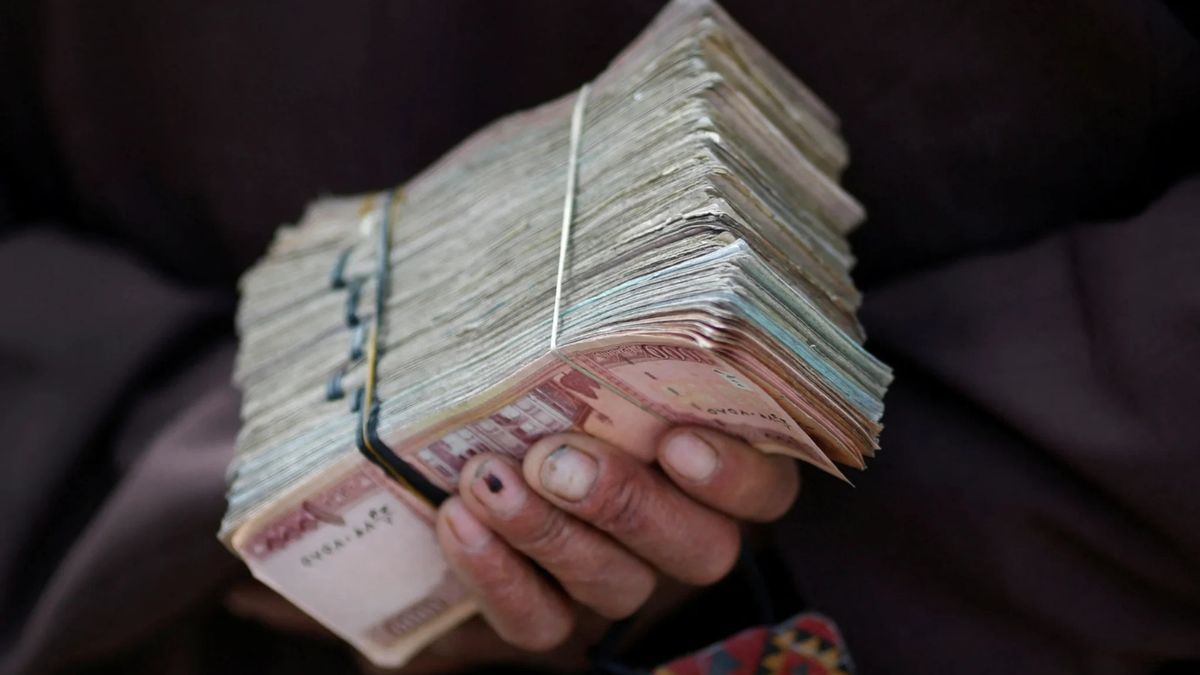
Structural Mismatch Between Economic Capacity and Consumption Patterns in Afghanistan
Afghanistan's economy faces a significant gap between average incomes and prevailing consumption patterns. Per capita income stands at approximately $400 to $450 annually, or less than $40 monthly per person. Even adjusted for purchasing power parity, this figure lags far behind many regional countries, indicating limited economic production capacity and vulnerability to shocks that can push families into poverty.
Poverty in Afghanistan is structural, affecting about half the population, with many more at risk. A large portion of the workforce operates in the informal sector without job security, insurance, or stable earnings. Educated youth often earn a few thousand afghanis monthly amid chronic economic insecurity, limiting savings, investment, or future planning.
Despite this, consumption patterns show growing ostentation, including lavish wedding halls, branded clothing, heavy gold jewelry, multi-stage ceremonies, and large parties, even among lower and middle classes. This imitates wealthier oil-rich economies, creating an illusion of prosperity mismatched with Afghanistan's low GDP per capita and investment levels.
Young people, particularly marriage-age individuals, bear the brunt. Expectations include high dowries, bride prices, gold, multiple outfits, separate ceremonies, and expensive venues, leading to debt, asset sales, forced migration, or delayed marriages. Customs once simple have escalated into competitive displays amplified by social media showcasing luxury cars, foreign trips, and opulent events.
Sustainable development requires balance between production, income, and consumption. Excessive spending based on debt and social pressure weakens household economies. Afghanistan needs simultaneous efforts to bolster productive sectors, create stable jobs, enhance workforce skills, and reform consumption culture.
More in Economy
Islamic Emirate Ministry of Economy Calls UNICEF Report on 21.9 Million Needing Aid Exaggerated
Herat Produces Up to 2.5 Million Eggs Daily
Kunduz's Emirati Spinzar Company Produces 120,000 Soaps in 24 Hours

Afghanistan's Trade with Central Asia Increases Significantly in 2025, Ministry Data Shows
 Reliable
Islamic Emirate Ministry of Economy Calls UNICEF Report on 21.9 Million Needing Aid Exaggerated
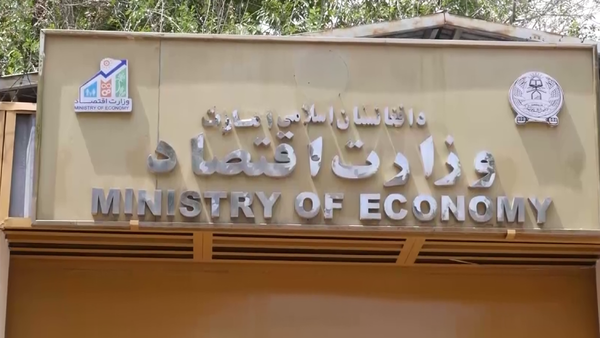
Afghanistan's Ministry of Economy labeled UNICEF's projection of 21.9 million people needing humanitarian aid in 2026 as exaggerated, emphasizing Islamic Emirate efforts to combat poverty via job projects. UNICEF highlighted rising food insecurity and malnutrition, treating over 46,000 malnourished children in January 2026 alone.
 Reliable
Herat Produces Up to 2.5 Million Eggs Daily
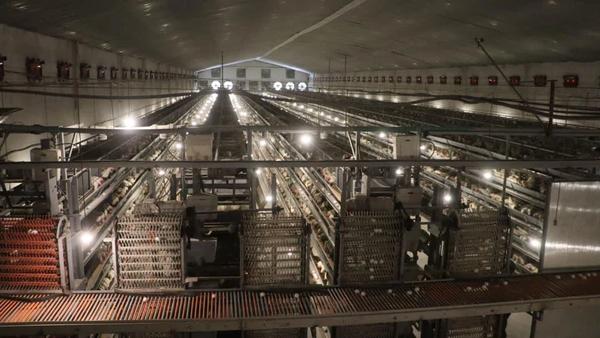
Herat province produces up to 2.5 million eggs daily, with production expected to rise as new companies activate, according to the governor's spokesperson. A local firm invested nearly $1 million and supplies eight provinces, urging curbs on smuggled imports to boost domestic output and jobs.
 Reliable
Kunduz's Emirati Spinzar Company Produces 120,000 Soaps in 24 Hours
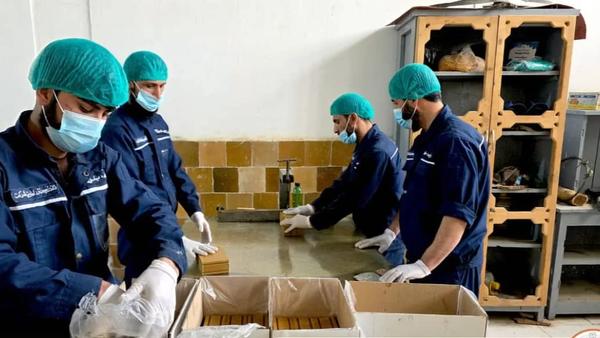
Kunduz's Emirati Spinzar Company has increased soap production to 120,000 units per 24 hours after installing new equipment and repairing machinery. Officials attribute the revival to the Islamic Emirate's security measures.
 Reliable
Afghanistan's Trade with Central Asia Increases Significantly in 2025, Ministry Data Shows
Afghanistan's trade with Central Asian countries grew substantially in 2025, with imports up 43% and exports up 77%, according to Ministry of Industry and Commerce data. Officials highlight potential for trade balance and ongoing regional projects.