
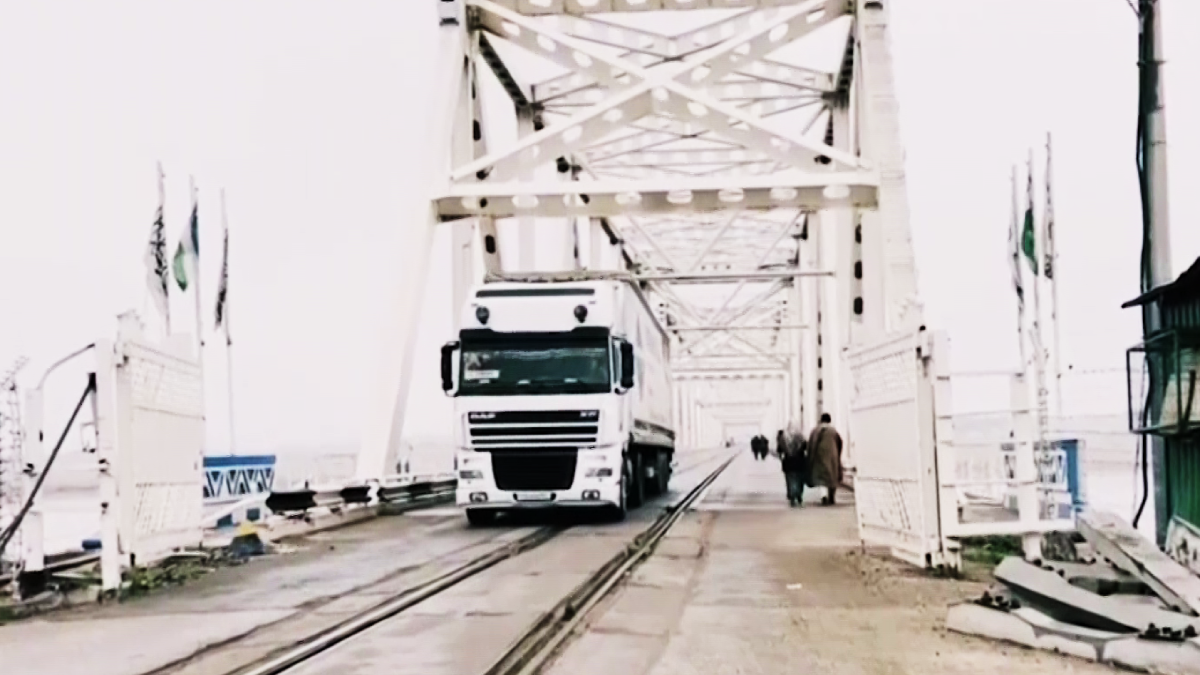
Afghanistan's Trade with Central Asia Increases Significantly in 2025, Ministry Data Shows
Fresh statistics from the Ministry of Industry and Commerce indicate that Afghanistan's trade volume with Central Asian countries in 2025 saw a notable increase compared to 2024, with imports rising 43% and exports growing 77%.
According to the data, imports rose from $1.679 billion in 2024 to $2.399 billion in 2025, while exports increased from $122 million to $216 million. The trade involved countries including Uzbekistan, Kazakhstan, Tajikistan, Kyrgyzstan, and Turkmenistan.
Akhundzada Abdul Salam Jawad, spokesperson for the Ministry of Industry and Commerce, stated: "Despite Afghanistan always being an import-dependent country, it achieved 77% growth in exports last year. If this trend continues, Afghanistan could achieve trade balance in the not-too-distant future."
Following the halt in trade links with Pakistan, Afghanistan's economic cooperation with Central Asian countries has increased, with high-level delegations from these nations visiting Afghanistan.
The Chamber of Agriculture and Livestock views Central Asian countries as important for exporting agricultural products, implementing joint agricultural projects, and supplying quality goods. Khan Mohammad Fotan, president of the chamber, said: "All Central Asian countries like Uzbekistan, Kazakhstan, Kyrgyzstan, Tajikistan, along with Russia, the UAE, Qatar, India, and all neighboring countries want good commercial relations with Afghanistan and the Chamber of Agriculture and Livestock."
Economic expert Abdul Shakur Hadewal added: "Every country, especially those that have grown economically, needs to strengthen its relations with Afghanistan, which can have a positive impact on the country's economy. Therefore, the Islamic Emirate must work to strengthen ties with advanced countries to boost the economy."
The new trade data with Central Asian countries comes as these nations have ramped up efforts to utilize Afghanistan's transit routes. Currently, joint projects in electricity, gas transmission, and railways between Afghanistan and regional countries are under implementation or planning, which are expected to significantly increase trade and economic cooperation.
More in Economy
Islamic Emirate Ministry of Economy Calls UNICEF Report on 21.9 Million Needing Aid Exaggerated
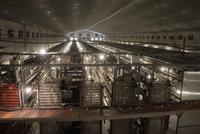
Herat Produces Up to 2.5 Million Eggs Daily
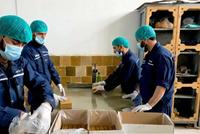
Kunduz's Emirati Spinzar Company Produces 120,000 Soaps in 24 Hours

Afghan economic panel approves fixed tax plan for import trading companies at customs
 Reliable
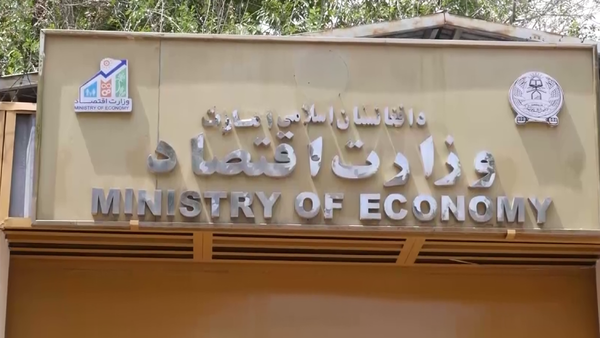
Islamic Emirate Ministry of Economy Calls UNICEF Report on 21.9 Million Needing Aid Exaggerated
Afghanistan's Ministry of Economy labeled UNICEF's projection of 21.9 million people needing humanitarian aid in 2026 as exaggerated, emphasizing Islamic Emirate efforts to combat poverty via job projects. UNICEF highlighted rising food insecurity and malnutrition, treating over 46,000 malnourished children in January 2026 alone.
 Reliable
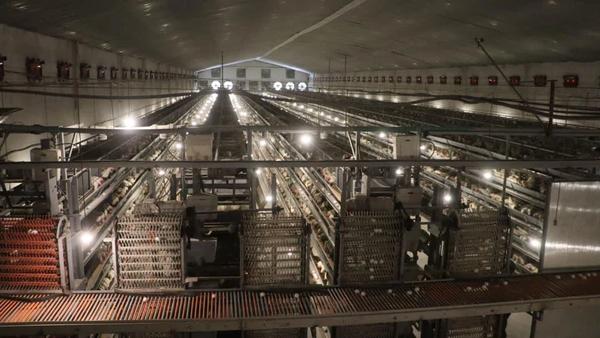
Herat Produces Up to 2.5 Million Eggs Daily
Herat province produces up to 2.5 million eggs daily, with production expected to rise as new companies activate, according to the governor's spokesperson. A local firm invested nearly $1 million and supplies eight provinces, urging curbs on smuggled imports to boost domestic output and jobs.
 Reliable
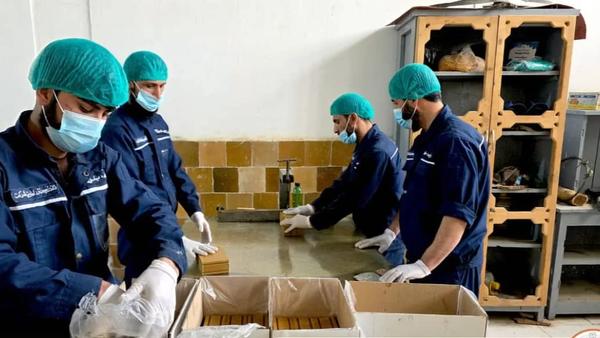
Kunduz's Emirati Spinzar Company Produces 120,000 Soaps in 24 Hours
Kunduz's Emirati Spinzar Company has increased soap production to 120,000 units per 24 hours after installing new equipment and repairing machinery. Officials attribute the revival to the Islamic Emirate's security measures.
 Reliable
Afghan economic panel approves fixed tax plan for import trading companies at customs
Afghanistan's Economic Commission technical panel approved a fixed tax scheme for import firms at customs and discussed land stabilization, unfinished projects, and aluminum exports.