
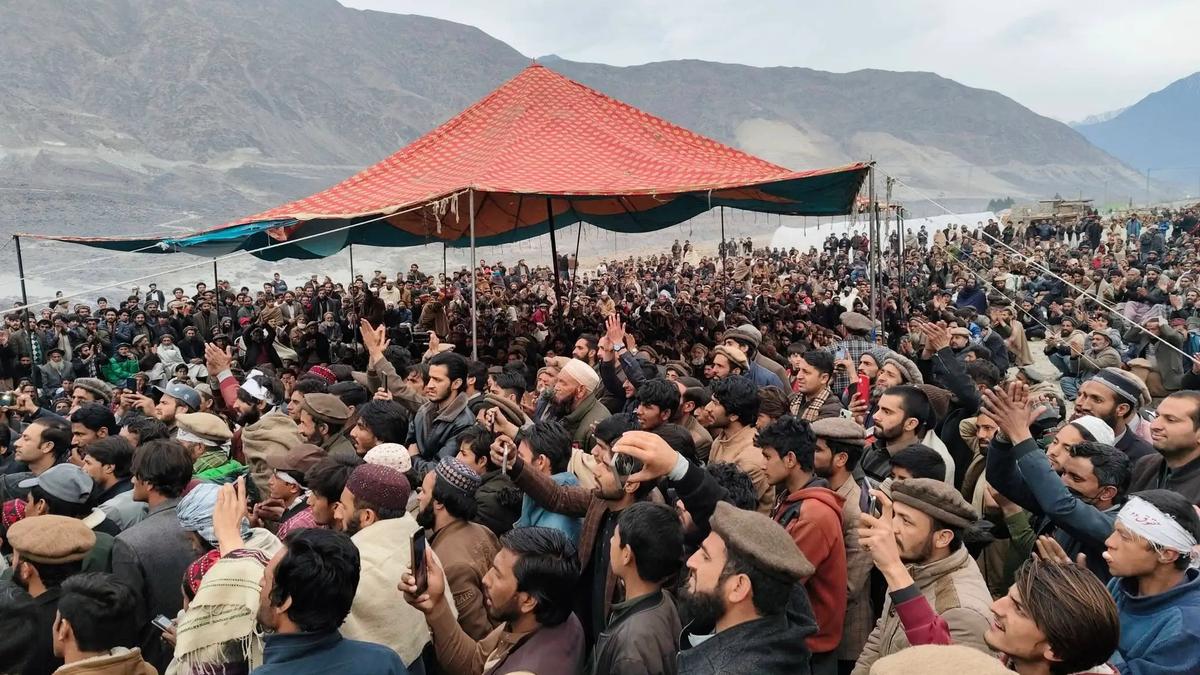
Pakistan-Occupied Gilgit-Baltistan Faces Protests Over Taxation, Energy Shortages and Governance
Pakistan has administered Gilgit-Baltistan since 1948 without granting it full constitutional status as a province, maintaining control through executive orders and federal oversight. The Gilgit-Baltistan Empowerment and Self-Governance Order of 2009 introduced positions such as chief minister and governor, but key sectors including minerals, hydropower and security remained under federal authority via the Gilgit-Baltistan Council, chaired by Pakistan's prime minister. The 2018 Gilgit-Baltistan Order abolished the council and shifted some powers to the local assembly, though legal experts and political actors maintained that Islamabad retained significant control through the Ministry of Kashmir Affairs and federal cabinet.
A 2020 pledge by then-Prime Minister Imran Khan to grant provisional provincial status did not materialize. In 2022, new federal taxation measures prompted protests in districts including Gilgit, Skardu and Hunza, organized by trader associations and the Awami Action Committee. Demonstrators argued that taxes were collected without adequate local representation or reinvestment.
The region, which hosts glaciers feeding the Indus River and holds deposits of gold, copper and rare earth minerals, experiences chronic energy shortages, with deficits up to 18-20 hours daily in winter. Hydropower potential is underutilized amid projects like the Diamer-Bhasha Dam. Residents have raised issues over delayed compensation for displaced communities and limited local hiring on China-Pakistan Economic Corridor (CPEC) projects, where most workers are non-local.
Groups including the Awami Action Committee, Gilgit-Baltistan National Alliance, GB Youth Movement and trader bodies have led protests over electricity shortages, wheat subsidy reductions, taxation and land policies. Demonstrations intensified in 2023 and 2024.
More in Politics
Afghan Peace and Justice Movement Secretariat: Our organization has never had a person-centered structure
Analysis of Mohammad Haneef Atmar's Stance Through Mohammad Omar Daoudzai's Account
Analysis: Why Protests Against Taliban Have Failed to Overthrow Their Rule
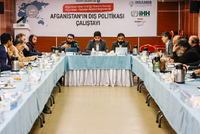
Joint Workshop Examines Islamic Emirate of Afghanistan's Foreign Policy Prospects
 Reliable
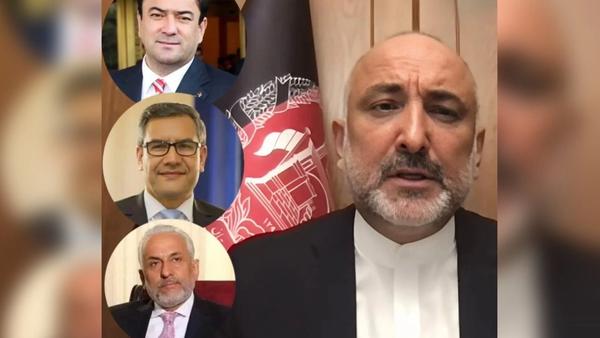
Afghan Peace and Justice Movement Secretariat: Our organization has never had a person-centered structure
The Secretariat of the Afghan Peace and Justice Movement denied claims of being person-centered around Mohammad Hanif Atmar, affirming its council-based structure and attributing recent disputes to managerial issues.
 Reliable
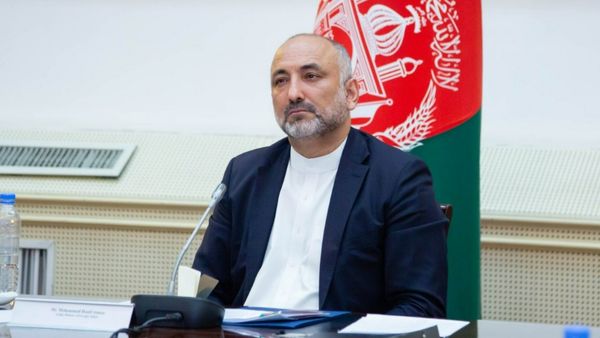
Analysis of Mohammad Haneef Atmar's Stance Through Mohammad Omar Daoudzai's Account
Mohammad Haneef Atmar's recent political activities, including new coalitions opposing the Taliban, are reexamined through Mohammad Omar Daoudzai's book, which claims Atmar's past rift with Ashraf Ghani was genuine amid broken electoral pacts.
 Unverified
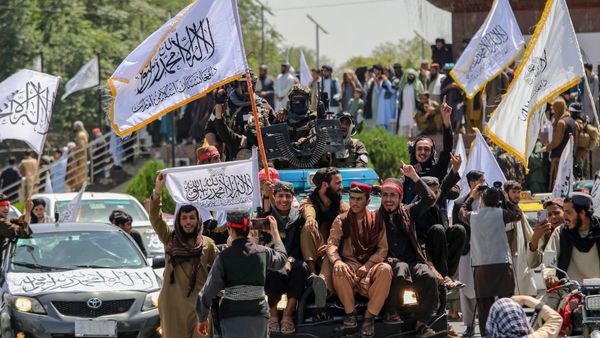
Analysis: Why Protests Against Taliban Have Failed to Overthrow Their Rule
Hasht-e Subh analysis argues that protests against Taliban rule persist but fail due to lack of organization, coherent ideology, and leadership, despite evident crises in the regime.
 Reliable
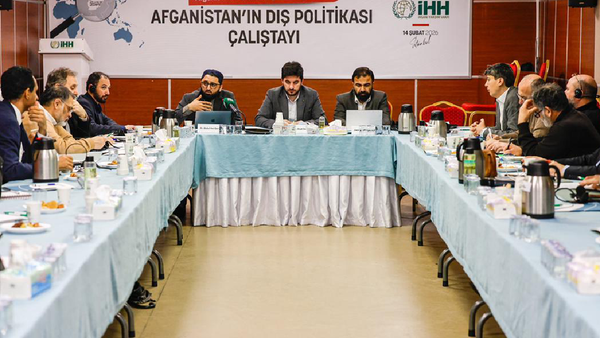
Joint Workshop Examines Islamic Emirate of Afghanistan's Foreign Policy Prospects
A workshop by the EnSamar Institute and the Islamic Emirate's Strategic Studies Center discussed balanced foreign policy, emphasizing dialogue, mutual respect, and engagement with regional and global powers.