
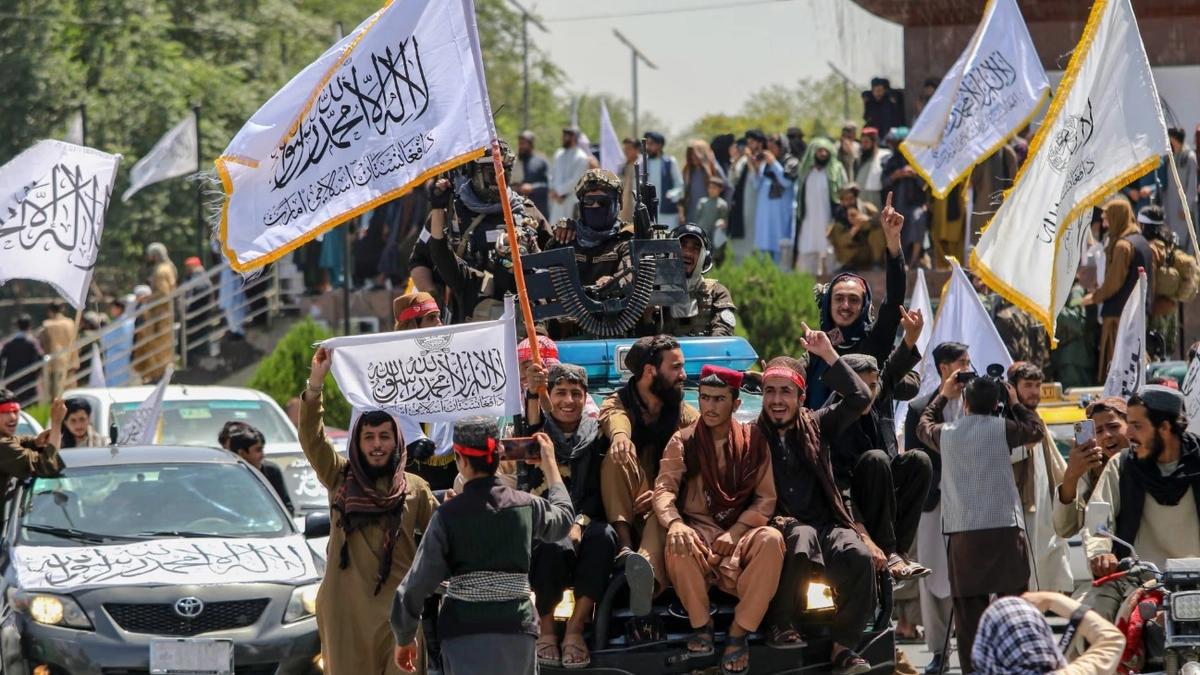
Analysis: Why Protests Against Taliban Have Failed to Overthrow Their Rule
Since the fall of Kabul to the Taliban, protests by citizens and elites inside and outside Afghanistan have continued, focusing on securing basic rights, restoring freedoms, eliminating discrimination, establishing an acceptable political system, and implementing religion appropriately in the country. Protesters, including citizens and political elites, view the Taliban system as lacking necessary capacity and advocate for a modern, inclusive political order acceptable to all citizens.
Despite ongoing protests, particularly widespread abroad, no tangible results have emerged. The Taliban maintain control over Afghanistan's political, economic, and social affairs, while many citizens face poverty, deprivation of rights, discrimination, political upheaval, and a deteriorating future. Over the past four and a half years, critical energy from citizens inside the country and protests by elites abroad has been wasted, failing to produce positive change toward an effective, inclusive political system, due to poor management of these efforts.
The article references Iranian sociologist and political scientist Hossein Bashiriyeh's book 'From Crisis to Collapse: An Exploration of the Durability or Vulnerability of Political Systems.' Bashiriyeh argues that regimes do not collapse solely from public dissatisfaction or governmental weakness. Collapse results from simultaneous crises at elite levels—institutions, elites, political figures—and mobilization at grassroots levels among citizens and organizations.
Structural crises include legitimacy crisis (disconnect between claimed authority and social acceptance), efficiency crisis (failure to provide security, economic stability, basic services), and internal rifts within the ruling apparatus. In Afghanistan, signs of such crises exist in the Taliban system, including limited international recognition, deep economic challenges, governance constraints, and structural isolation. However, these alone do not suffice for collapse.
Widespread dissatisfaction is a necessary but insufficient condition for revolution. It requires organization to channel discontent, a coherent ideology for vision and alternative order, and capable leadership. In current Afghanistan, while dissatisfaction is evident domestically and in the diaspora, these elements remain absent or fragmented. Exile protesters suffer organizational disarray, lack of common discourse on future political order, and no agreed leadership, keeping protest energy symbolic and media-based rather than institutionally transformative.
Know more about this story?
If you have additional information or believe something is inaccurate, let us know. Your tips help us stay accurate.
More in Politics
Analysis of Mohammad Haneef Atmar's Stance Through Mohammad Omar Daoudzai's Account
Joint Workshop Examines Islamic Emirate of Afghanistan's Foreign Policy Prospects
Pakistani politician warns Taliban policies leading Pashtuns to destruction

Islamic Emirate Deputy Prime Minister Hanafi Attends Introduction Ceremony for New Transport and Civil Aviation Minister
 Reliable
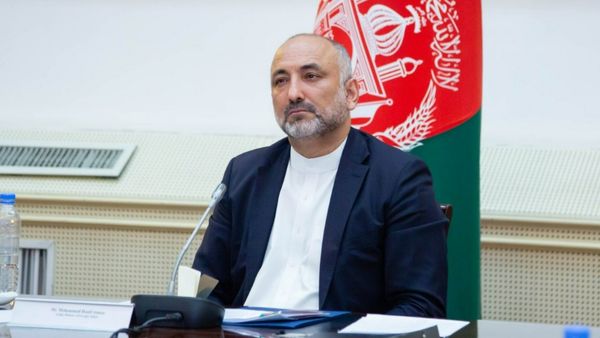
Analysis of Mohammad Haneef Atmar's Stance Through Mohammad Omar Daoudzai's Account
Mohammad Haneef Atmar's recent political activities, including new coalitions opposing the Taliban, are reexamined through Mohammad Omar Daoudzai's book, which claims Atmar's past rift with Ashraf Ghani was genuine amid broken electoral pacts.
 Reliable
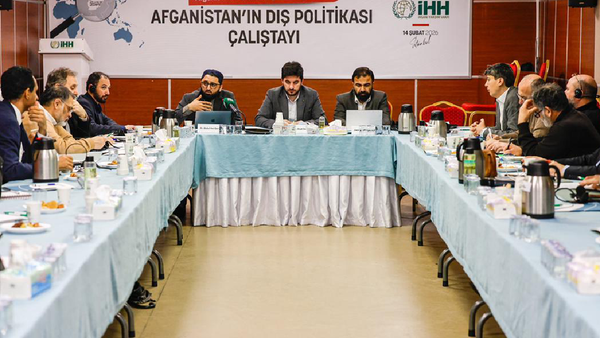
Joint Workshop Examines Islamic Emirate of Afghanistan's Foreign Policy Prospects
A workshop by the EnSamar Institute and the Islamic Emirate's Strategic Studies Center discussed balanced foreign policy, emphasizing dialogue, mutual respect, and engagement with regional and global powers.
 Reliable
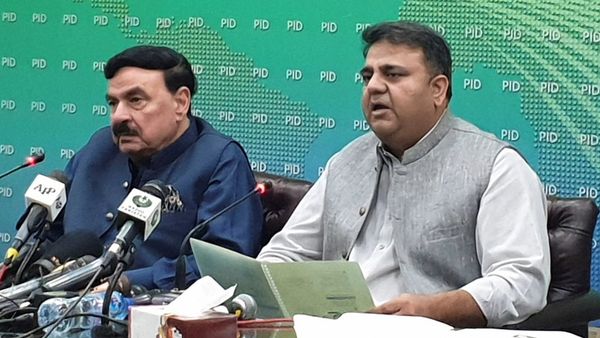
Pakistani politician warns Taliban policies leading Pashtuns to destruction
Former Pakistani minister Fawad Chaudhry warned that Pakistani Taliban policies in Khyber Pakhtunkhwa are destroying Pashtun society and urged a return to non-violent reforms. He criticized restrictions on music, education, and women's rights, drawing parallels to Afghan Taliban practices.
 Reliable
Islamic Emirate Deputy Prime Minister Hanafi Attends Introduction Ceremony for New Transport and Civil Aviation Minister
Maulvi Abdul Salam Hanafi, deputy administrative prime minister of the Islamic Emirate of Afghanistan, spoke at the ceremony introducing Mullah Mohammad Fazil Akhund as the new minister of transport and civil aviation, praising his past service and calling for infrastructure improvements.