
Pakistan Hosts Regional Foreign Ministers' Meeting on Iran Conflict; Iran Declines Participation
ISLAMABAD (Afghan Verified) -- Pakistan hosted a meeting of foreign ministers from Turkey, Egypt, and Saudi Arabia in Islamabad on Sunday to discuss ways to end the ongoing Iran war and crisis.
The talks focused on reopening the Strait of Hormuz and resuming ship traffic amid rising global oil prices due to the Iran-US-Israel conflicts, according to Pakistani Foreign Minister Ishaq Dar. Dar announced discussions on an early resolution to the war and potential direct Iran-US negotiations in Islamabad.
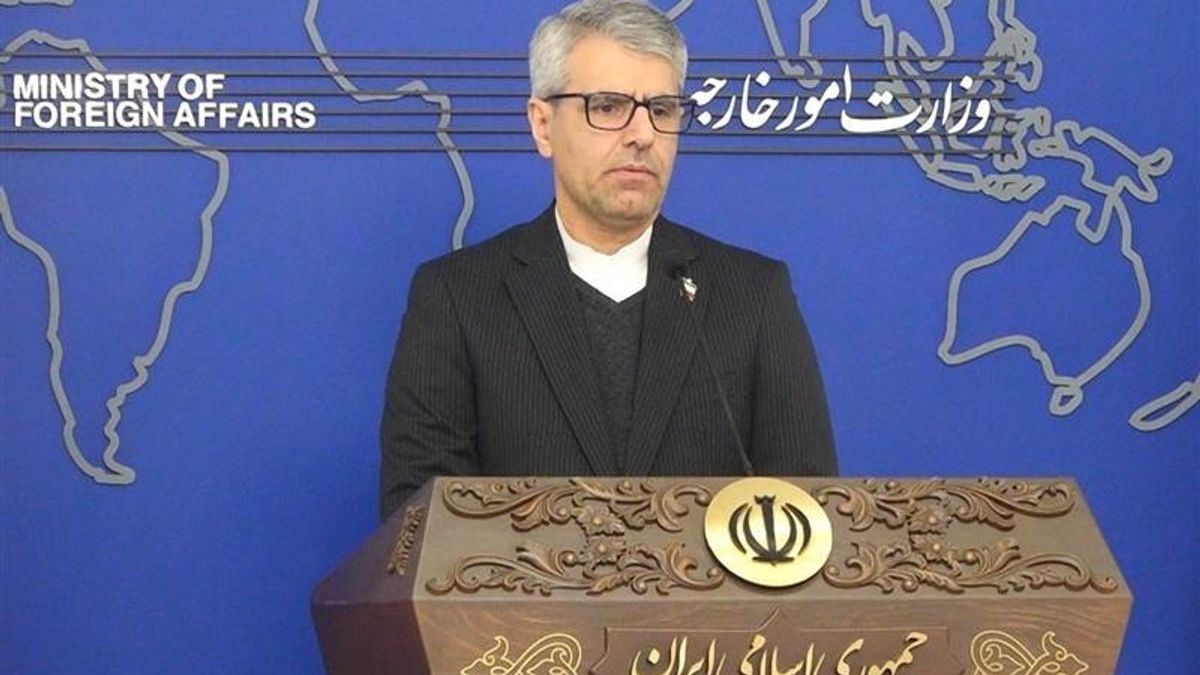
Iran did not participate in the meeting. Iran's Foreign Ministry spokesman Esmail Baqaei stated that Tehran would not join the Pakistan-hosted gathering organized by Egypt, Saudi Arabia, and Turkey to resolve the Tehran-Washington crisis. Baqaei described the framework as self-created by the host countries and a potential future source of sedition. He added that Iran has not held direct talks with the United States, receiving only irrational messages via intermediaries.
According to Pajhwok, U.S. President Donald Trump indicated positive progress in indirect U.S.-Iran talks facilitated by Pakistan. Ariana News reported that China supports Pakistan's diplomatic role in the matter.
The meeting underscores regional efforts to address the escalating tensions, though Iran's absence highlights divisions in the diplomatic approach.
Know more about this story?
If you have additional information or believe something is inaccurate, let us know. Your tips help us stay accurate.
Where reports agree
- Pakistan hosted regional foreign ministers' meeting in Islamabad on Iran war/crisis
- Iran did not participate in the meeting
- Iran's FM spokesperson commented on the meeting and denied direct US talks
Where reports differ
- Specific proposals discussed (e.g., Strait of Hormuz details only in Ariana News)
- US President Trump's statement on talks only in Pajhwok
- China's support only in Ariana News
More in International

Taliban Deputy Minister Assures No Harm to Neighbors from Qoshtepa Canal Water Share

U.S. Resumes Limited Review of Asylum Requests from Non-High-Risk Countries
US, Israel and Iran Engaged in Escalating Military Conflict
Russian, Uzbek Officials to Discuss Afghanistan Security at Termez Conference
 Reliable
Taliban Deputy Minister Assures No Harm to Neighbors from Qoshtepa Canal Water Share
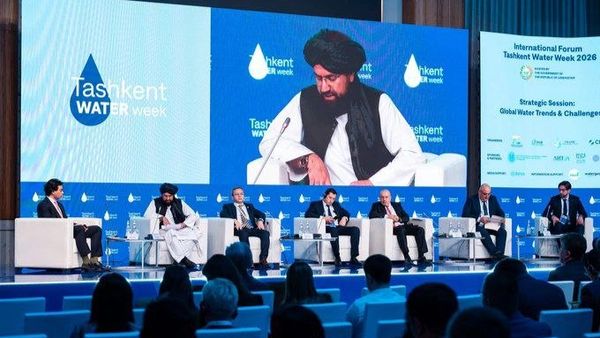
Taliban Deputy Minister of Water and Energy Mujib al-Rahman Umar assured at Uzbekistan's Water Week that Afghanistan seeks only its legal water share from the Qoshtepa Canal without intending to harm neighbors. The statement responds to Uzbekistan's water minister's concerns about excessive withdrawals potentially damaging agriculture.
 Reliable
U.S. Resumes Limited Review of Asylum Requests from Non-High-Risk Countries
The U.S. has resumed limited review of asylum applications from countries not on its high-risk list after halting them following a November 2025 shooting near the White House by a former Afghan soldier who entered via the Afghan Allies Relocation Program. Restrictions persist for nationals of 39 high-risk countries in Africa, Asia and Latin America, with full security checks required for all applicants.
US, Israel and Iran Engaged in Escalating Military Conflict
The United States and Israel have launched attacks on targets in Iran amid an escalating war, prompting Iranian missile and drone strikes on Israel and US bases, along with the closure of the Strait of Hormuz. Failed assassination attempts on Iranian leaders and threats to regional infrastructure highlight the conflict's severity.
 Reliable
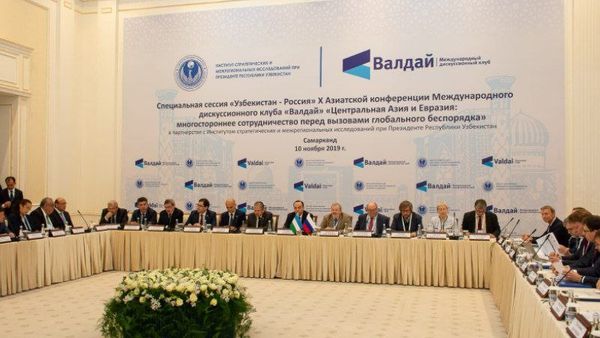
Russian, Uzbek Officials to Discuss Afghanistan Security at Termez Conference
Russian and Uzbek officials will meet in Termez on 10-11 Hamal for a conference hosted by the Valdai Discussion Club and Uzbekistan's Institute for Strategic Studies to discuss Afghanistan's security and regional issues including migration and climate change. Organizers expressed concerns over terrorism risks near the Afghan border.