
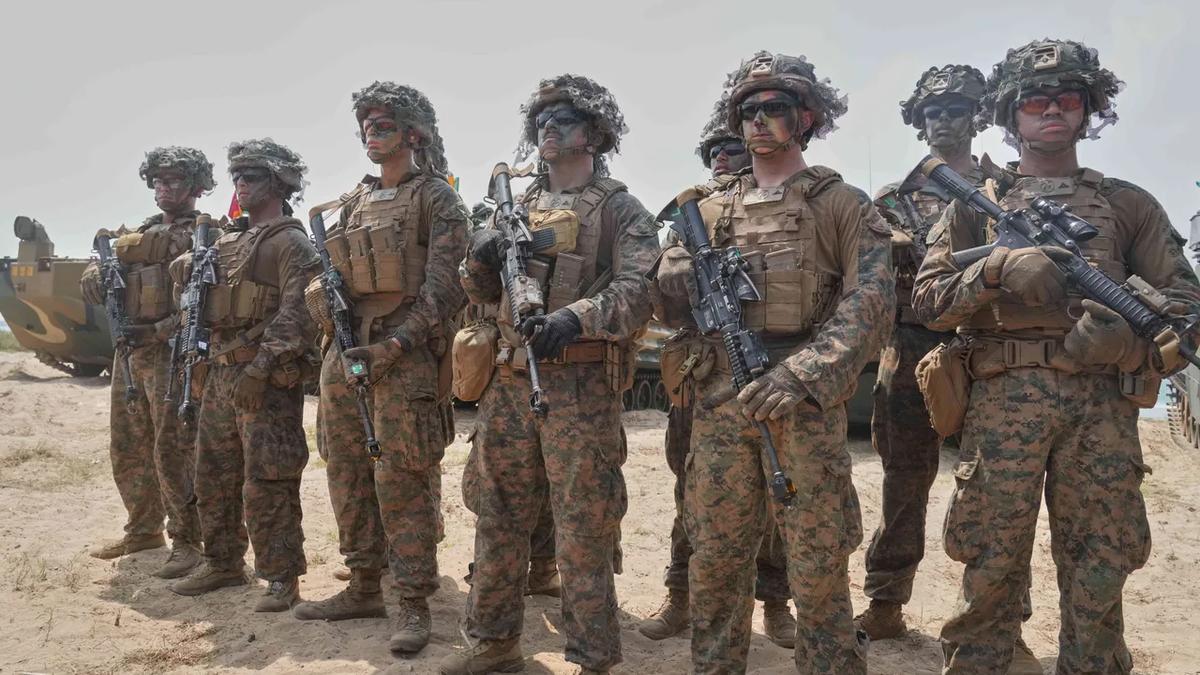
New York Times Reports Hundreds of U.S. Special Operations Forces Arrive in Middle East
The New York Times reported that hundreds of U.S. special operations forces have arrived in the Middle East, citing U.S. military officials. The deployment comes amid escalating tensions with Iran, following the closure of the Strait of Hormuz to U.S. ships.
The troops are joining existing U.S. forces in the region to provide more military options, including potential ground operations. Iranian officials have warned that they are prepared for any U.S. ground incursions and are closely monitoring the situation. No specific missions have been assigned to the new arrivals.
According to one report citing the New York Times, the special operations forces are joining thousands of Marines and paratroopers, with possible missions including securing the Strait of Hormuz, operations at Kharg Island or targeting nuclear sites such as Isfahan. That account also noted more than 50,000 U.S. troops already in the region and mentioned Pakistan hosting mediation efforts to reduce tensions and reopen the strait. It further indicated the deployment offers President Donald Trump additional options.
A separate report, also citing the New York Times, described the special operations forces as joining naval forces with experience in ground operations for a potential expansion of the conflict against Iran.
The deployments underscore heightened U.S.-Iran frictions linked to the Strait of Hormuz crisis.
Know more about this story?
If you have additional information or believe something is inaccurate, let us know. Your tips help us stay accurate.
Where reports agree
- NYT reported hundreds of US special forces arrived in Middle East
- Citing US military officials
- Deployment linked to US-Iran tensions/war
- Connected to Strait of Hormuz crisis
- Iran warned against US ground operations
Where reports differ
- Joined forces: naval (Hurriyat) vs Marines/paratroopers (Khaama Press)
- Specific possible missions (Hormuz securing, Kharg Island, Isfahan nuclear) only in Khaama Press
- Total US troops >50,000 only in Khaama Press
- Pakistan mediation efforts only in Khaama Press
- Trump mentioned only in Khaama Press
More in International

Taliban Deputy Minister Assures No Harm to Neighbors from Qoshtepa Canal Water Share
U.S. Resumes Limited Review of Asylum Requests from Non-High-Risk Countries
US, Israel and Iran Engaged in Escalating Military Conflict
Russian, Uzbek Officials to Discuss Afghanistan Security at Termez Conference
 Reliable
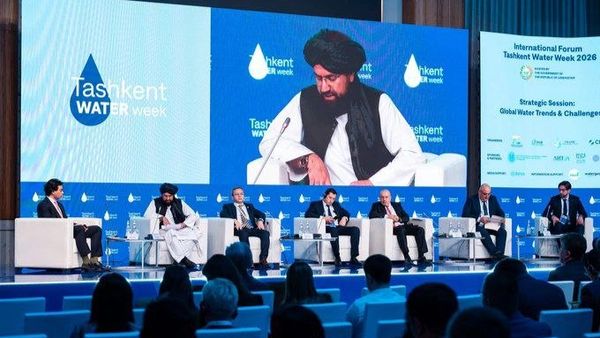
Taliban Deputy Minister Assures No Harm to Neighbors from Qoshtepa Canal Water Share
Taliban Deputy Minister of Water and Energy Mujib al-Rahman Umar assured at Uzbekistan's Water Week that Afghanistan seeks only its legal water share from the Qoshtepa Canal without intending to harm neighbors. The statement responds to Uzbekistan's water minister's concerns about excessive withdrawals potentially damaging agriculture.
 Reliable
U.S. Resumes Limited Review of Asylum Requests from Non-High-Risk Countries
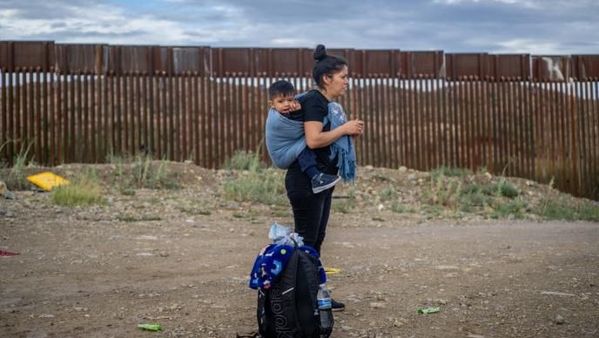
The U.S. has resumed limited review of asylum applications from countries not on its high-risk list after halting them following a November 2025 shooting near the White House by a former Afghan soldier who entered via the Afghan Allies Relocation Program. Restrictions persist for nationals of 39 high-risk countries in Africa, Asia and Latin America, with full security checks required for all applicants.
US, Israel and Iran Engaged in Escalating Military Conflict
The United States and Israel have launched attacks on targets in Iran amid an escalating war, prompting Iranian missile and drone strikes on Israel and US bases, along with the closure of the Strait of Hormuz. Failed assassination attempts on Iranian leaders and threats to regional infrastructure highlight the conflict's severity.
 Reliable
Russian, Uzbek Officials to Discuss Afghanistan Security at Termez Conference
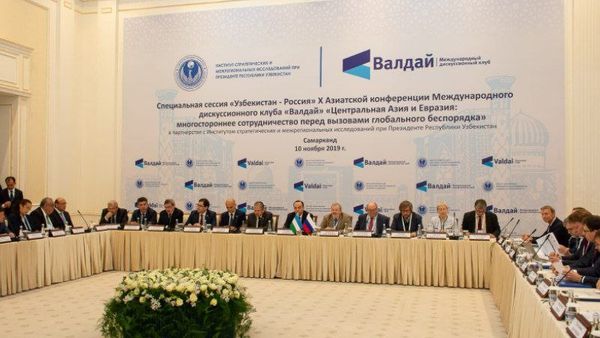
Russian and Uzbek officials will meet in Termez on 10-11 Hamal for a conference hosted by the Valdai Discussion Club and Uzbekistan's Institute for Strategic Studies to discuss Afghanistan's security and regional issues including migration and climate change. Organizers expressed concerns over terrorism risks near the Afghan border.