

Kabul women use birth control pills to delay menstruation during Ramadan, doctors warn of risks
Some women and girls in Kabul say they use birth control pills annually during Ramadan to delay their menstrual periods and fast every day of the holy month. They describe completing the fast as highly important and note that pills like the affordable and accessible 'Khushi' brand are a common method to avoid interruptions.
Several girls told Hasht-e Subh that they follow doctors' advice, while others act on recommendations from married friends. They report no major side effects so far and limited awareness of potential risks.
Maryam, a Kabul resident, said she has used Khushi pills for two or three years during Ramadan, starting after a friend's suggestion in university. "It makes fasting easier," she said, noting only minor impatience as a side effect. She emphasized the method's simplicity and reversibility.
Shamseh, another Kabul resident, used the pills on a gynecologist's advice due to frequent periods that previously weakened her during Ramadan. "I did it with a doctor's consultation, so no serious issues arose," she said, adding that some women lack awareness of consequences despite using them based on others' experiences.
Doctors warn that self-administering birth control pills to delay or stop menstruation can pose serious health risks, including menstrual irregularities, abnormal bleeding, hormonal changes and long-term ovarian complications. They stress that such medications should only be used under specialist supervision after assessing the patient's health.
Samira Shahir Rahimi, a doctor, said the practice occurs for Ramadan or Hajj, with or without medical advice. Pills containing estrogen, such as combined oral contraceptives, can temporarily delay periods but carry risks. "Women and girls should not use them arbitrarily," she said, noting doctors tailor prescriptions to individual conditions.
Know more about this story?
If you have additional information or believe something is inaccurate, let us know. Your tips help us stay accurate.
Sources (1)
More in Society

UN Women: Women Globally Enjoy 64% of Men's Legal Rights Amid Regressions
Ministry of Public Health Forms Committee to Examine Private Health Centers
Afghanistan's National Environmental Protection Agency Urges Restraint from Hunting Migratory Birds

Role of Social Networks in Spreading Ethnicism in Afghanistan
 Reliable
UN Women: Women Globally Enjoy 64% of Men's Legal Rights Amid Regressions
UN Women reports that women globally have only 64% of men's legal rights, facing barriers like unrecognized rape and unequal pay, with regressions due to shrinking democratic spaces. In Afghanistan, Taliban restrictions since 2021 have barred women from education and employment, prompting calls for action from UNICEF, Amnesty International, and Human Rights Watch.
 Reliable
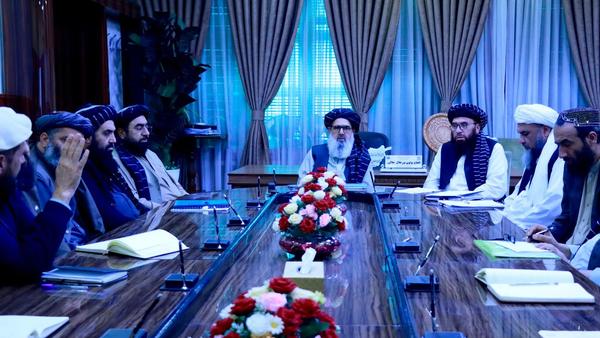
Ministry of Public Health Forms Committee to Examine Private Health Centers
Afghanistan's Ministry of Public Health has formed a committee to review oversight of private health centers and foreign health workers' activities. Minister Maulvi Noor Jalal Jalali stressed preventing health law violations and ensuring service quality, while a joint committee was set up under Deputy Minister Maulvi Abdul Wali Haqqani.
 Reliable
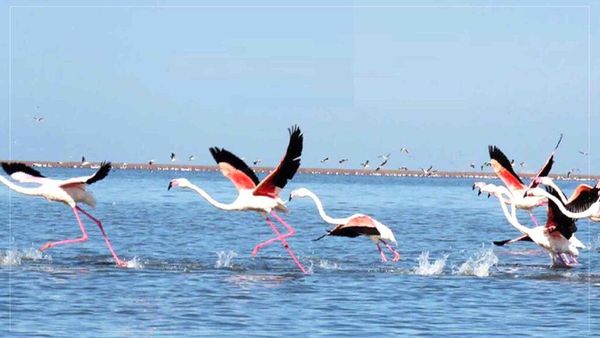
Afghanistan's National Environmental Protection Agency Urges Restraint from Hunting Migratory Birds
Afghanistan's National Environmental Protection Agency has issued notices urging citizens to refrain from hunting migratory birds during their passage season across specified provinces, based on a decree from the Prime Minister's Office. Security forces and locals are tasked with enforcement to protect biodiversity.
 Developing
Role of Social Networks in Spreading Ethnicism in Afghanistan
Social media platforms in Afghanistan have amplified ethnic divisions amid Taliban restrictions on public discourse, with political debates frequently turning into ethnic rivalries. Discussions on issues like federalism reveal deep divides, rooted in historical political failures and supremacist attitudes.