
Kabul Residents Criticize YouTubers for Filming Aid to Needy Without Respecting Privacy
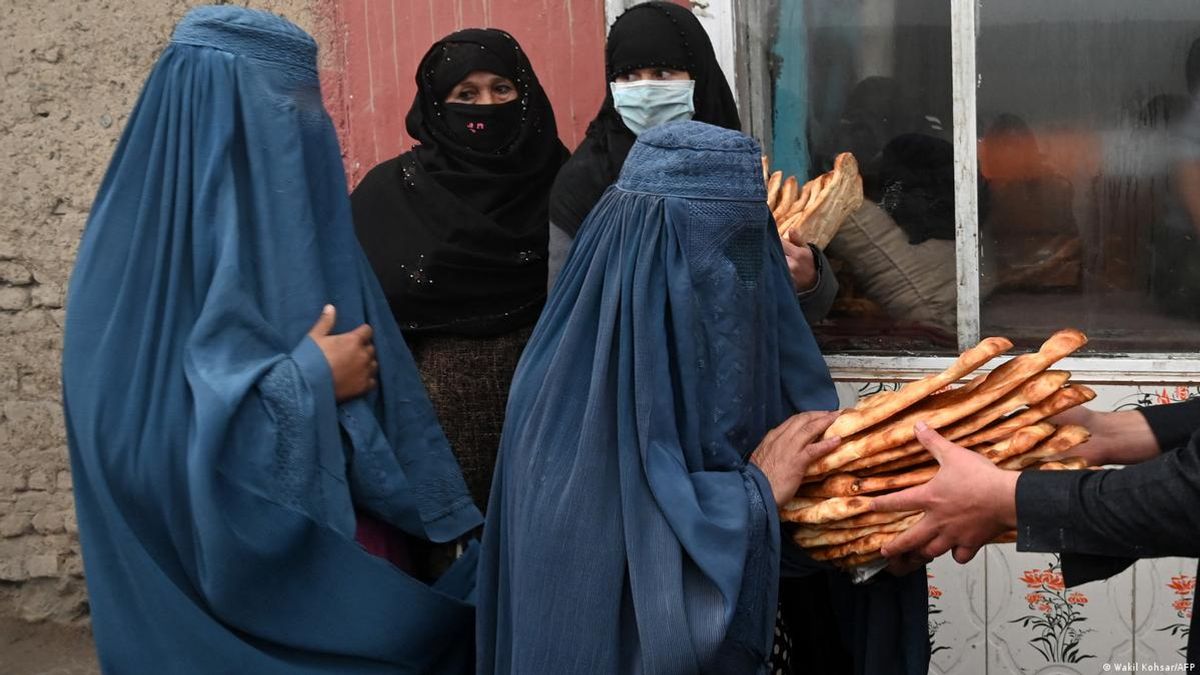
Residents of Kabul have criticized some YouTubers for distributing aid to beggars and needy individuals without respecting their privacy, particularly as Ramadan begins.
They argue that these YouTubers exploit the difficult living conditions of the needy to produce content for views and income on platforms like YouTube. Residents emphasized that aid should preserve the human dignity and self-respect of recipients, without widely publishing images and videos.
Ahsen, a Kabul resident, said YouTubers use needy people and beggars as a source of income by filming them without regard for privacy or dignity. He added, "Taking photos and videos of these needy individuals is very wrong and should not be done, as it affects their mindset and psyche. It's unbelievable that people exploit this situation."
Khalil, another resident, noted that widespread sharing of such images deters genuinely needy people from accepting help due to fear of being seen. He said YouTubers prioritize likes, comments, and revenue over any boundaries, and that in Afghanistan, aid often becomes performative, undermining trust in genuine efforts. Khalil described how YouTubers surprise needy households with cameras, trampling their pride and privacy, even making relatives witness their hardship.
Abdulhamid Sorush accused some YouTubers of violating recipients' dignity for followers and likes, exploiting them for personal gain and sometimes failing to deliver real aid. He stressed that aid should be discreet, without public display for attention.
Asadullah, another resident, said YouTubers operating under Taliban control violate journalism principles, lacking professionalism and invading privacy. He noted that easy YouTube channel creation allows non-professionals to harm dignity, potentially opening avenues for complaints.
Sahl, a pseudonym for a YouTube channel employee, claimed some YouTubers pocket much of the aid, including donations sent from abroad with good intentions, instead of delivering it to the needy.
More in Society
UN Women and Japan Support Afghan Women Returning from Neighboring Countries

Herat Residents Warn Dialysis Patients Face Death Risk Amid Severe Shortage
Afghan Girls Who Migrated Abroad Still Await Reopening of Schools
Ministry of Enjoining Good and Forbidding Wrong: Handled 368 Women's Cases in One Month
 Reliable
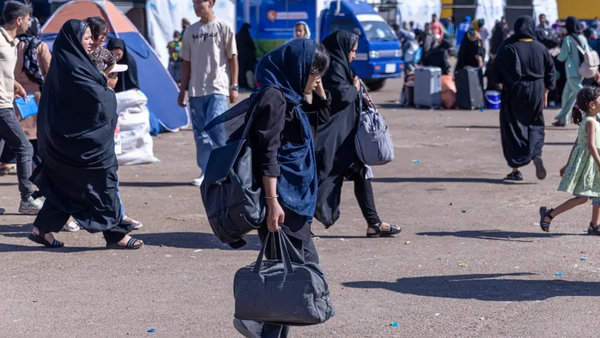
UN Women and Japan Support Afghan Women Returning from Neighboring Countries
UN Women, funded by Japan with $826,666, is supporting Afghan women returning from Iran and Pakistan through safe spaces and livelihood aid in eastern and southern Afghanistan. Over 2.5 million Afghans returned in 2025, 42% women and children facing restrictions on education and work.
 Unconfirmed
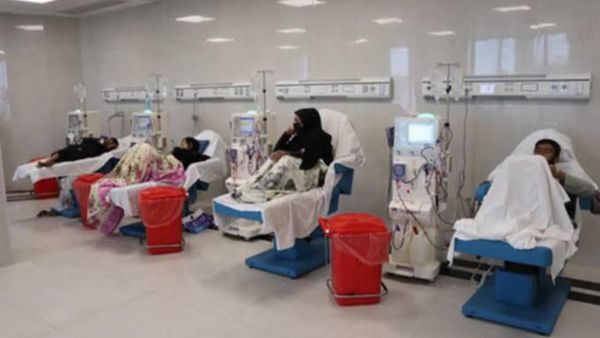
Herat Residents Warn Dialysis Patients Face Death Risk Amid Severe Shortage
Herat residents report a week-long shortage of dialysis materials in public and private hospitals, putting kidney patients at risk of death amid disrupted imports from Pakistan. They call on officials for urgent supplies to prevent fatalities.
 Reliable
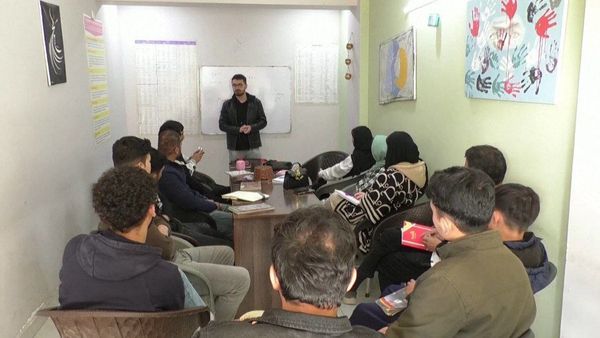
Afghan Girls Who Migrated Abroad Still Await Reopening of Schools
Afghan girls who migrated to Iran and Pakistan to continue education amid the Taliban ban express hope for schools to reopen at home and call for international accountability. Activists and a UNICEF report highlight the severe impacts of the ongoing restrictions.
 Reliable
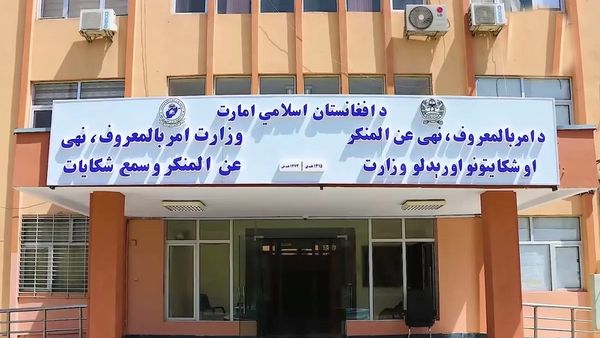
Ministry of Enjoining Good and Forbidding Wrong: Handled 368 Women's Cases in One Month
Afghanistan's Ministry of Enjoining Good and Forbidding Wrong reported handling 368 cases related to women's Sharia rights in Dhu al-Hijjah, alongside arresting 30 sorcerers and resolving numerous disputes.