
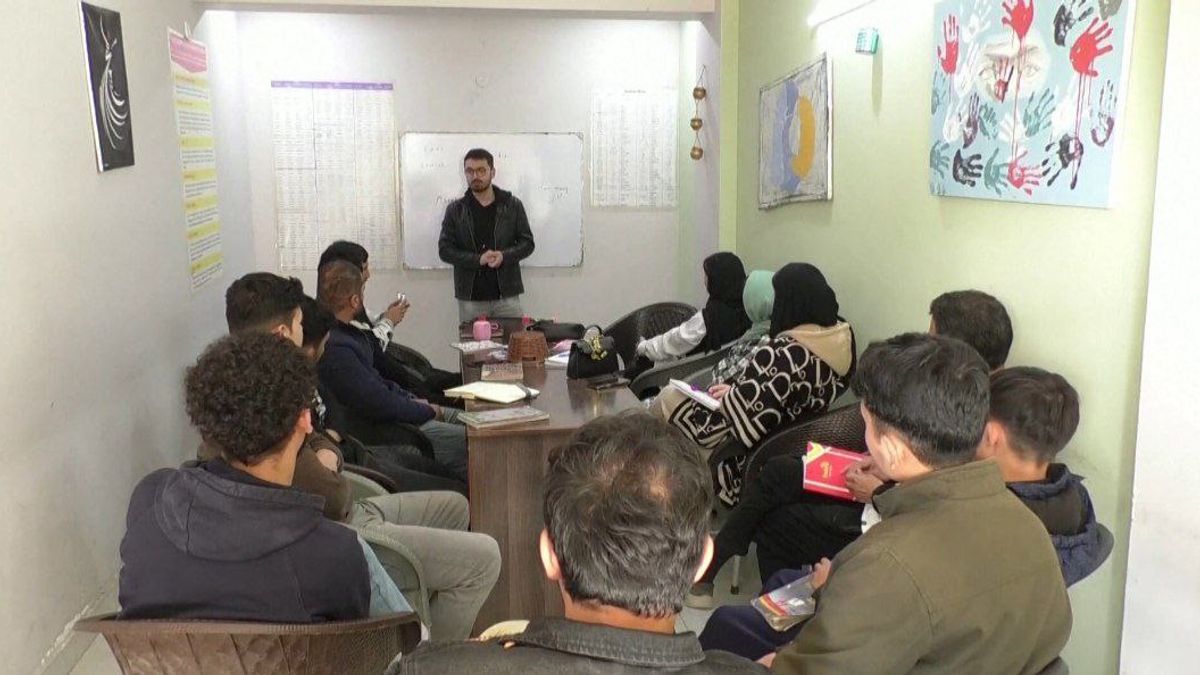
Afghan Girls Who Migrated Abroad Still Await Reopening of Schools
Some Afghan girls who left the country for Iran and Pakistan after the ban on female education say they continue to wait for schools and universities to reopen in Afghanistan, despite access to education in host countries.
The girls urge the international community to hold the Taliban accountable for restrictive policies on girls' education. Sara, a migrant student, said: "Despite the lack of educational conditions in my country, I decided to leave my country to build a better future for myself. This decision was not easy and I faced many challenges including culture and language. However, I was able to successfully complete one year of my studies. I hope that universities and schools will open to girls at the earliest opportunity so that they can build a better future."
Women's rights activists describe the deprivation of girls' education as a violation of fundamental human rights. Soria Haidari, a member of the Women's Unity and Solidarity Movement, said: "When a woman is deprived of the right to education, her future is destroyed. Education is not only an individual right, but the basis of independence, awareness, and human dignity. The Taliban, along with restricting women's work, have deprived them of the most basic tools of survival."
Despite domestic and international pressure, the Taliban have provided no specific timeline or clear response on reopening schools and universities for girls.
Global organizations have warned of serious psychological and social consequences from depriving Afghan girls of education. According to a UNICEF report, more than 2.2 million adolescent girls remain out of school as the ban approaches its fifth year.
Know more about this story?
If you have additional information or believe something is inaccurate, let us know. Your tips help us stay accurate.
More in Society
Ministry of Enjoining Good and Forbidding Wrong: Handled 368 Women's Cases in One Month
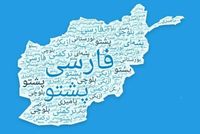
UNESCO Highlights Global Mother Tongue Education Gaps on International Mother Language Day; Afghan Citizens Voice Concerns Over Language Policies
45-Year-Old Afghan Woman Describes Family Denial of Education
Former Minister Abdul Bari Jahani Calls Tarawih Prayer a 'Bid'ah'
 Reliable
Ministry of Enjoining Good and Forbidding Wrong: Handled 368 Women's Cases in One Month
Afghanistan's Ministry of Enjoining Good and Forbidding Wrong reported handling 368 cases related to women's Sharia rights in Dhu al-Hijjah, alongside arresting 30 sorcerers and resolving numerous disputes.
 Reliable
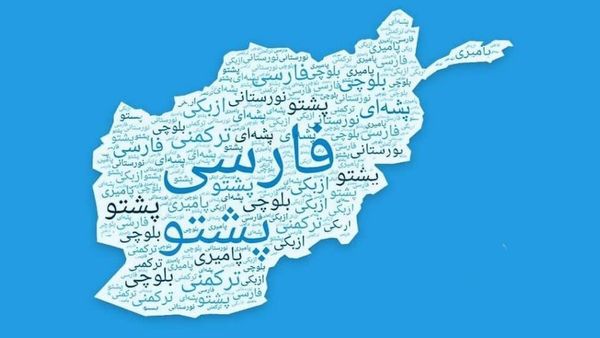
UNESCO Highlights Global Mother Tongue Education Gaps on International Mother Language Day; Afghan Citizens Voice Concerns Over Language Policies
UNESCO reports over 40% of the global population lacks mother tongue education access amid threats to linguistic diversity. In Afghanistan, residents criticize Taliban favoritism toward Pashto in official settings, raising fears for cultural identity and equity.
 Unverified
45-Year-Old Afghan Woman Describes Family Denial of Education
A 45-year-old Afghan woman shared her story of being barred from school by her traditional family despite excelling in literacy classes, as her mother deemed schools unsuitable for girls. She now studies again to campaign for girls' education.
 Reliable
Former Minister Abdul Bari Jahani Calls Tarawih Prayer a 'Bid'ah'
Abdul Bari Jahani, former Afghan minister and national anthem poet, claimed the Tarawih prayer is a 'bid'ah' not found in the Quran or Hadiths and attributed to Umar bin Khattab, prompting diverse reactions on social media.