
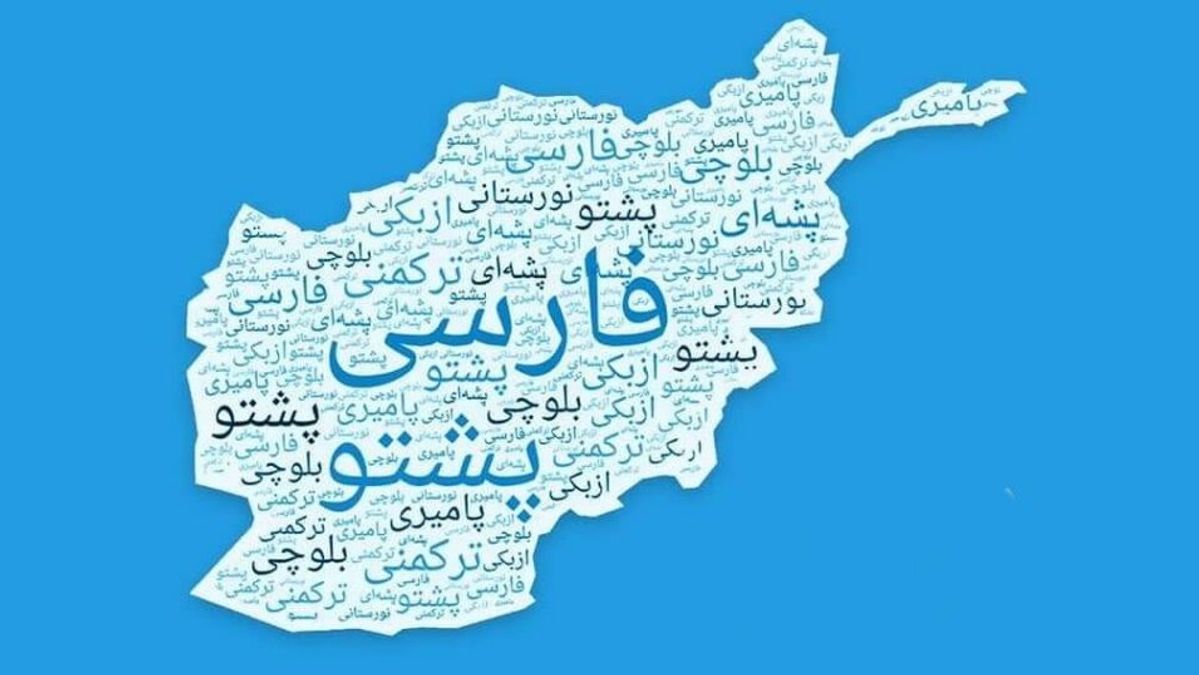
UNESCO Highlights Global Mother Tongue Education Gaps on International Mother Language Day; Afghan Citizens Voice Concerns Over Language Policies
The United Nations Educational, Scientific and Cultural Organization (UNESCO) marked International Mother Language Day on February 21 by stating that more than 40% of the world's population lacks full access to education in their mother tongue due to various reasons. UNESCO emphasized the protection of linguistic diversity as vital, warning that it is increasingly threatened in some communities, with more languages disappearing globally.
In Afghanistan, citizens and activists expressed concerns that policies under the Taliban prioritize Pashto in government offices, educational materials, signage, and administrative documents, marginalizing other languages such as Dari (Farsi) and Uzbek. A Kabul resident told Amu TV that in government offices, Pashto is dominant on signs and in interactions, with work processed faster for Pashto speakers, while Dari speakers face delays. Another Kabul resident said only Pashto receives attention, despite all languages representing Afghanistan's identity.
Samiullah Farmarz, a Kabul resident using a pseudonym, told Hasht-e Subh that in government offices, conversations are mostly in Pashto, delaying service for non-speakers, potentially reducing linguistic diversity long-term. Sabghatullah Radfar from Faryab, whose mother tongue is Uzbek, said his children struggle in Dari-medium schools, reducing their motivation. Farhad Kakar from Kandahar, a Pashto speaker, criticized the lack of programs for other languages in curricula and media, calling for equitable policies to prevent native languages from fading.
Activist Azita Nazimi told Amu TV that safeguarding mother tongues is a national and human necessity in Afghanistan's diverse society, with linguistic discrimination threatening social cohesion. Media figure Fereshteh Hamidi and cultural activist Zarifa Akhundzada from Takhar stressed speaking mother tongues, literacy, and inclusive media and education to preserve languages. Experts suggested targeted educational programs and cultural content to sustain Afghanistan's linguistic diversity.
Know more about this story?
If you have additional information or believe something is inaccurate, let us know. Your tips help us stay accurate.
More in Society
Afghan Girls Who Migrated Abroad Still Await Reopening of Schools
Ministry of Enjoining Good and Forbidding Wrong: Handled 368 Women's Cases in One Month
45-Year-Old Afghan Woman Describes Family Denial of Education
Former Minister Abdul Bari Jahani Calls Tarawih Prayer a 'Bid'ah'
 Reliable
Afghan Girls Who Migrated Abroad Still Await Reopening of Schools
Afghan girls who migrated to Iran and Pakistan to continue education amid the Taliban ban express hope for schools to reopen at home and call for international accountability. Activists and a UNICEF report highlight the severe impacts of the ongoing restrictions.
 Reliable
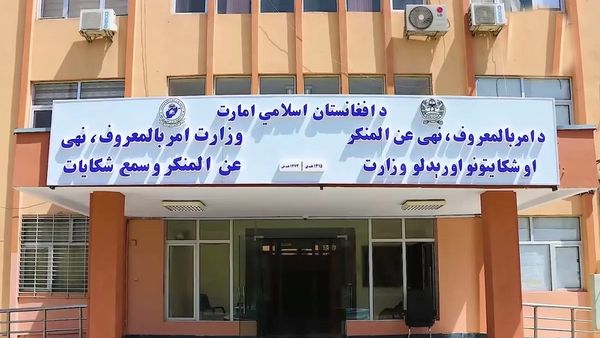
Ministry of Enjoining Good and Forbidding Wrong: Handled 368 Women's Cases in One Month
Afghanistan's Ministry of Enjoining Good and Forbidding Wrong reported handling 368 cases related to women's Sharia rights in Dhu al-Hijjah, alongside arresting 30 sorcerers and resolving numerous disputes.
 Unverified
45-Year-Old Afghan Woman Describes Family Denial of Education
A 45-year-old Afghan woman shared her story of being barred from school by her traditional family despite excelling in literacy classes, as her mother deemed schools unsuitable for girls. She now studies again to campaign for girls' education.
 Reliable
Former Minister Abdul Bari Jahani Calls Tarawih Prayer a 'Bid'ah'
Abdul Bari Jahani, former Afghan minister and national anthem poet, claimed the Tarawih prayer is a 'bid'ah' not found in the Quran or Hadiths and attributed to Umar bin Khattab, prompting diverse reactions on social media.